
Key Takeaways:
- EVgo, a prominent EV charging network in the United States, is significantly upgrading its infrastructure.
- The company’s next-generation system will feature chargers capable of delivering up to 750 kilowatts, doubling its current maximum output.
- New charging stalls will incorporate dynamic power sharing for optimised energy delivery to multiple vehicles.
- An improved user experience includes touchless payment interfaces and increased deployment of NACS ports.
- This advancement aims to enable ultra-fast 10-minute charging sessions for compatible electric vehicles, future-proofing the EVgo charging network.
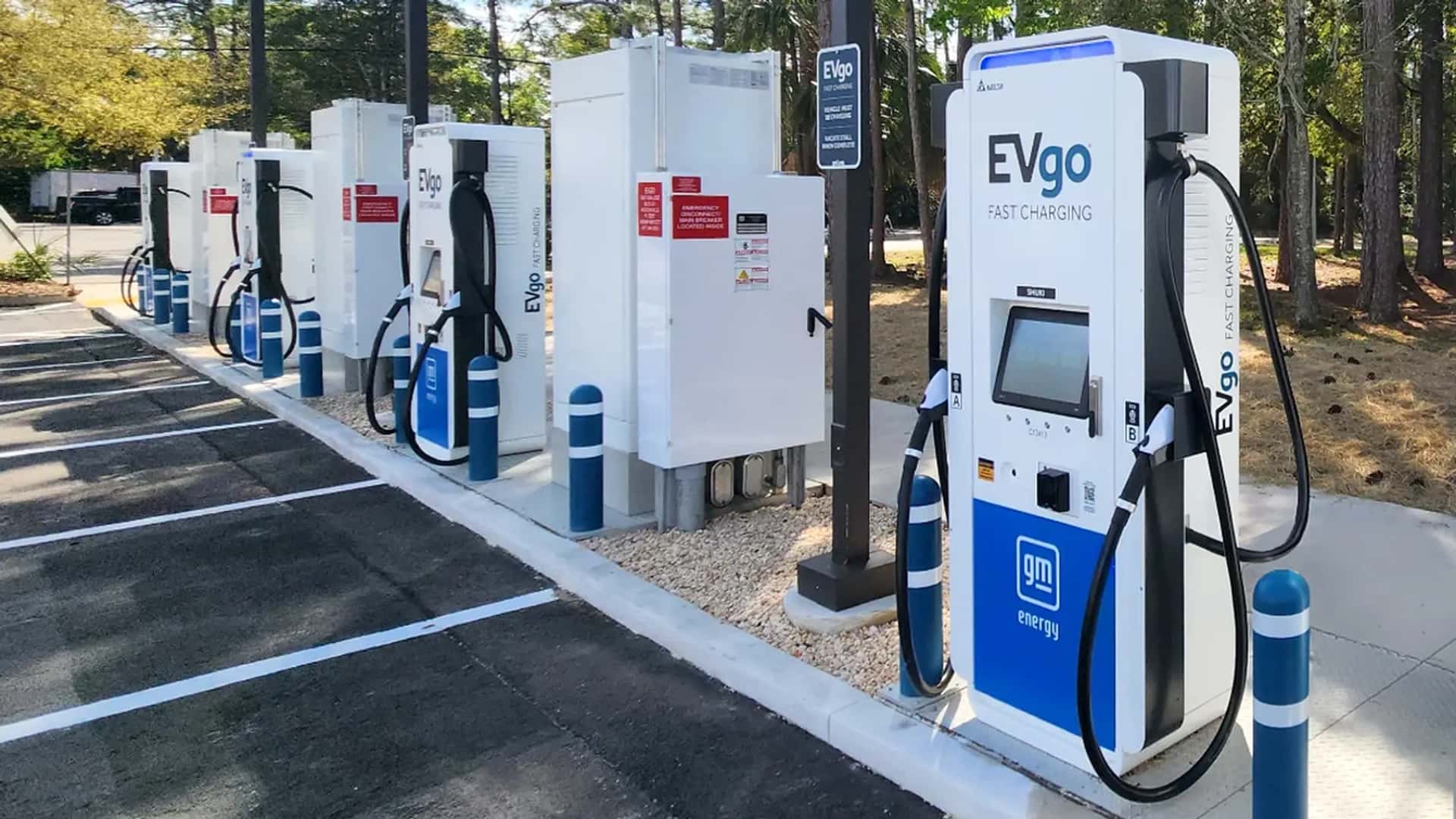
EVgo, a prominent player in the rapidly expanding landscape of electric vehicle (EV) charging infrastructure, has announced a significant leap forward in its network capabilities. The company is set to deploy next-generation DC fast chargers designed to deliver an unprecedented 750 kilowatts (kW) of power. This advancement is poised to redefine the public charging experience across the United States, offering speeds more than double EVgo’s current maximum offerings of 350 kW.
This strategic upgrade by EVgo underscores a broader industry commitment to enhancing the efficiency and accessibility of electric vehicle charging. The initiative targets not only the immediate needs of current EV owners but also anticipates the demands of future high-capacity battery electric vehicles, including commercial trucks.
Revolutionising EV Charging Speeds
The introduction of 750 kW chargers marks a pivotal moment for the EVgo charging network and the broader electric vehicle ecosystem. Higher power delivery translates directly into significantly reduced charging times, addressing one of the primary concerns for prospective EV buyers: range anxiety and the inconvenience of lengthy stops.
Unprecedented Power: The 750 kW Leap
EVgo’s decision to move to 750 kW chargers represents a substantial technological jump. Currently, the most powerful public DC fast chargers typically offer up to 350 kW. Doubling this capacity means that electric vehicles will be able to replenish their batteries at an accelerated rate, making long-distance travel and daily commutes far more seamless.
The intricate process of bringing these high-powered chargers to fruition is currently underway at EVgo’s Innovation Lab located in El Segundo, California. Here, the company’s teams are engaged in designing, developing, and rigorously testing the new hardware to ensure its reliability, safety, and performance before widespread deployment. This in-house capability positions EVgo uniquely in the market, allowing for direct control over innovation and quality within its EVgo charging network.
Smart Charging with Dynamic Power Sharing
A core feature of the upcoming 750 kW charging stalls is the integration of dynamic power sharing. This intelligent technology ensures that each connected electric vehicle receives the optimal amount of power it can handle, dynamically adjusting output based on the vehicle’s state of charge, battery chemistry, and maximum acceptance rate.
For instance, if a Lucid Gravity, which can accept higher charging rates, and a Tesla Model 3 are simultaneously connected to the same stall, the system will efficiently distribute power. This could mean allocating approximately 400 kW to the Lucid Gravity and 250 kW to the Tesla Model 3, ensuring both vehicles charge at their respective maximum capabilities without bottlenecking. This maximises throughput and minimises wait times, a critical improvement for high-traffic public charging locations within the EVgo charging network.
Enhanced User Experience: Touchless Payments and NACS
Beyond raw power, EVgo is also focusing on improving the overall user experience. The new stalls will feature a touchless payment interface, streamlining the transaction process. This innovation allows drivers to initiate and pay for charging sessions without the necessity of downloading a dedicated smartphone application, thereby simplifying access and reducing friction points for new users.
In a move to broaden compatibility and user convenience, EVgo plans to significantly boost the deployment of North American Charging Standard (NACS) ports at its new stations. This strategic shift is aimed at doubling EVgo’s addressable market, catering to the growing number of EVs, particularly those from Tesla, that utilise the NACS connector. The expansion of NACS ports across the EVgo charging network ensures wider accessibility and interoperability for a larger segment of the electric vehicle fleet.
Future-Proofing Electric Mobility
The decision to implement 750 kW charging capabilities demonstrates a forward-thinking approach by EVgo, effectively future-proofing its network against the rapid evolution of EV technology. While no currently sold electric vehicles in the United States can fully utilise 750 kW, this infrastructure prepares for the next generation of EVs with larger batteries and higher charge acceptance rates.
Addressing Next-Generation Vehicles
The global EV market is witnessing the emergence of vehicles capable of accepting charging rates of 1,000 kW or more. By proactively developing 750 kW chargers, EVgo is positioning itself to accommodate these advanced vehicles as they become more prevalent in the U.S. market. This foresight is crucial for maintaining a leading edge in the competitive electric vehicle charging sector.
Furthermore, the robust power output of these new chargers will be particularly beneficial for electric trucks and heavy-duty commercial vehicles. These vehicles typically feature massive battery packs that require substantial power to recharge in a reasonable timeframe, making the 750 kW capacity an ideal fit. The design considerations for accommodating the physical footprint of these larger vehicles at new stations remain a key aspect of EVgo’s ongoing development.
Impact on American EV Drivers
The immediate and long-term benefits for American EV drivers are substantial. According to EVgo, the new 750 kW system is projected to enable 10-minute charging sessions for the fastest charging vehicles available in the country. This significantly reduces the time spent at charging stations, making EV ownership more convenient and comparable to refuelling a conventional gasoline vehicle.
Faster charging speeds play a critical role in alleviating range anxiety, encouraging more consumers to transition to electric vehicles. By providing a reliable and rapid EVgo charging network, the company contributes directly to accelerating EV adoption rates across the nation. This enhancement to public charging infrastructure is particularly good news for the growing selection of fast-charging EVs currently available in the U.S.
EVgo’s Strategic Position in the Market
EVgo holds a significant position within the U.S. EV charging landscape. As one of the largest public DC fast charging networks, its continuous investment in advanced technology reinforces its commitment to supporting the nationwide transition to electric mobility. The Department of Energy’s Alternative Fuels Data Center (AFDC) reports that EVgo currently operates nearly 2,000 DC fast charging stations across the United States, offering over 5,300 individual ports.
This extensive existing infrastructure, coupled with the strategic rollout of next-generation 750 kW chargers, solidifies EVgo’s role as a critical enabler of zero-emission transportation. The company’s expertise in both hardware development and network operation allows it to maintain high standards of service and innovation, bolstering trust and reliability in the evolving public charging sector.
The Road Ahead: Deployment and Outlook
The final design of the 750 kW system is anticipated to be unveiled next year, with the first deployments expected to go online shortly thereafter. This phased rollout will allow EVgo to carefully integrate the new technology into its existing EVgo charging network, ensuring optimal performance and reliability from day one.
This initiative is not just about faster charging; it represents a comprehensive effort to build a resilient, user-friendly, and future-ready electric vehicle infrastructure. As the industry progresses, such advancements in charging technology will be instrumental in making electric vehicles a more viable and attractive option for a broader demographic of consumers and businesses alike.
FAQ Section
What is the key upgrade EVgo is introducing to its charging network?
EVgo is introducing next-generation DC fast chargers capable of delivering up to 750 kilowatts of power, more than doubling their current maximum output of 350 kW. This upgrade aims to significantly reduce charging times for electric vehicles.
What is dynamic power sharing and how does it benefit EV drivers?
Dynamic power sharing is a technology that allows charging stalls to intelligently allocate the maximum power each connected EV can handle. This ensures multiple vehicles charging simultaneously at one station receive optimal power, reducing overall wait times and improving efficiency for diverse EV models.
How will the new EVgo chargers enhance user experience?
The new chargers will feature a touchless payment interface, enabling drivers to pay for charging without needing a smartphone app. Additionally, EVgo plans to increase the deployment of NACS (North American Charging Standard) ports, broadening compatibility and access for more EV models.
Can current electric vehicles utilise the full 750 kW charging capacity?
Currently, no electric vehicles sold in the United States can accept the full 750 kW charging rate. However, this upgrade future-proofs the EVgo charging network for upcoming generations of EVs with larger battery capacities and higher charge acceptance rates, including heavy-duty electric trucks.
What is the expected charging time with the new 750 kW system?
EVgo anticipates that its new 750 kW system will enable ultra-fast 10-minute charging sessions for the fastest-charging vehicles available in the United States. This significantly speeds up the charging process, making EV travel more convenient.
When can EV drivers expect to see these new chargers in operation?
The final design of the 750 kW system is expected to be unveiled next year, with the first deployments slated to go online shortly after. EVgo is currently developing and testing these chargers at its Innovation Lab in California.
How many charging stations does EVgo currently operate in the U.S.?
According to the Department of Energy’s Alternative Fuels Data Center (AFDC), EVgo currently operates nearly 2,000 DC fast charging stations across the United States, offering over 5,300 individual charging ports.
Why is EVgo increasing the deployment of NACS ports?
EVgo is increasing NACS port deployment to double its addressable market. This strategic move caters to the growing number of EVs, particularly those from manufacturers like Tesla, that utilise the NACS connector, ensuring wider compatibility and convenience for a broader range of EV drivers.