
Key Takeaways:
- Fraunhofer IISB has developed a 750 kW permanent-magnet traction motor specifically for hybrid-electric regional aircraft.
- The motor achieves an impressive power density of 8 kW/kg, weighing only 94 kg.
- Key innovations include thin-lamination electrical steel (NO15), advanced hairpin windings, and direct oil-spray cooling.
- This technology is a vital component of Project AMBER, a Clean Aviation EU program aiming for a ~2 MW hydrogen fuel cell hybrid-electric propulsion system.
- Project AMBER targets at least a 30% reduction in CO₂ emissions for regional aircraft compared to 2020-era models.
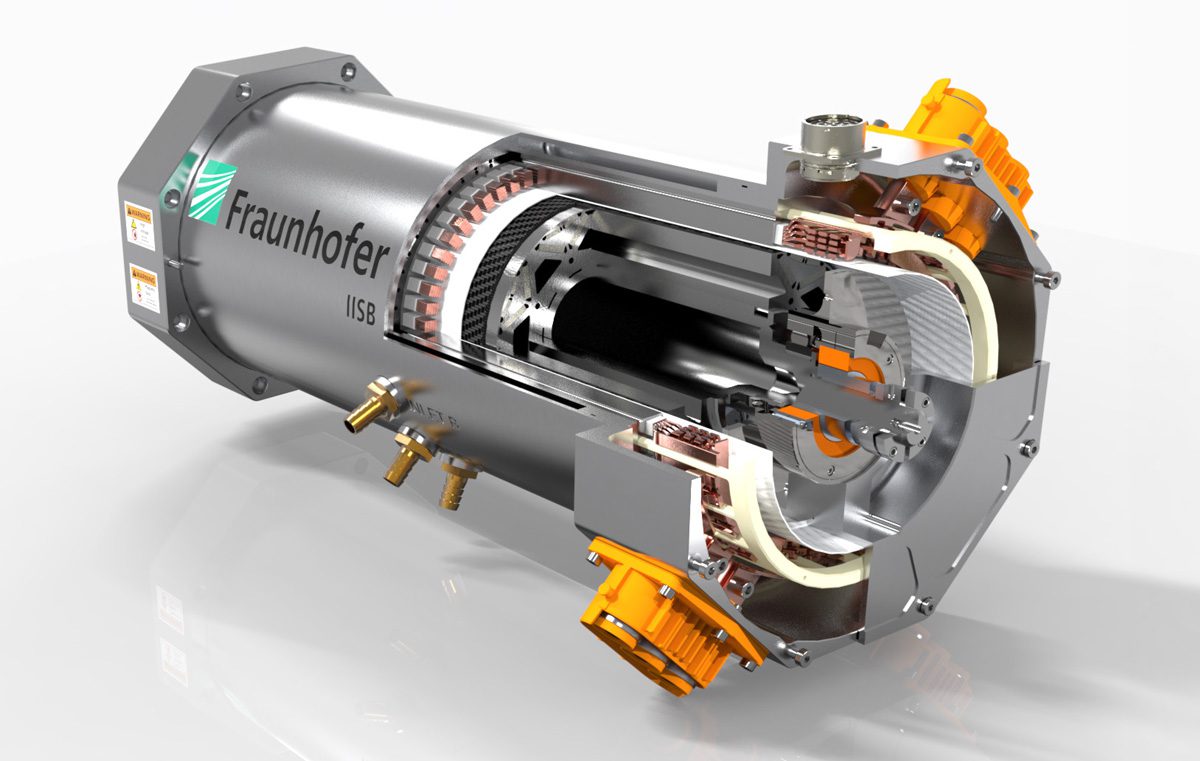
In a significant stride towards sustainable aviation, Fraunhofer IISB, a leading European research institution, has successfully developed a groundbreaking 750 kW permanent-magnet traction motor. Engineered specifically for the next generation of hybrid-electric regional aircraft, this innovative motor boasts an exceptional power density of 8 kW/kg, setting a new benchmark in aerospace propulsion technology.

This achievement represents a critical advancement in electric aviation, addressing the demand for powerful yet lightweight propulsion systems essential for the viability of hybrid and electric aircraft. The motor’s compact design and high efficiency are poised to play a pivotal role in the ongoing global efforts to decarbonise air travel.
Unpacking the Innovative Design
The Fraunhofer IISB motor’s remarkable performance stems from a sophisticated combination of material science, advanced winding techniques, and efficient thermal management. Every aspect of its design has been meticulously engineered to meet the stringent requirements of aerospace applications.
Advanced Materials and Cooling Systems
Central to the motor’s high power density is the use of NO15 (0.15 mm) electrical steel. This thin-lamination grade is instrumental in significantly reducing eddy current and AC losses, which typically increase at the high rotational speeds characteristic of modern aircraft propulsion. By minimising these losses, the motor maintains higher efficiency and cooler operating temperatures.

Weighing a mere 94 kg, the motor delivers its substantial 750 kW output within a compact frame, measuring 250 mm in diameter and 600 mm in length. Its design allows for a rated speed of 21,000 rpm and produces 350 Nm of torque. Managing the intense heat generated during operation is crucial, and here, direct oil-spray cooling proves invaluable. This advanced cooling system efficiently dissipates heat, enabling the motor to operate at its rated power even with a coolant temperature of 65 °C, ensuring reliability and sustained performance.
The Power of Hairpin Windings
The motor’s stator incorporates a sophisticated 4×3 phase hairpin winding arrangement. This innovative configuration features four electrically decoupled sections, each independently driven by its own inverter. This segmented design significantly enhances fault tolerance, a critical safety feature in aerospace applications. Should one section experience a failure, the remaining sections can continue operation, mitigating the risk of a complete system shutdown.
Beyond fault tolerance, the hairpin winding traction motor design offers several performance advantages. Hairpin windings allow for a higher current density within the stator slot compared to conventional round-wire coils. This increased density contributes directly to the motor’s impressive power output. Furthermore, the geometric configuration of hairpin windings provides superior thermal contact with the stator core, facilitating more effective heat transfer and supporting the motor’s robust thermal management strategy.
Project AMBER: Fueling Sustainable Aviation
The development of this cutting-edge motor is not an isolated achievement but a cornerstone of a much broader European initiative: Project AMBER (Advanced Hybrid-Electric Propulsion for Aviation with Megawatt-Class Fuel Cell System). This Clean Aviation EU program represents a concerted effort to push the boundaries of sustainable air travel.
A Collaborative Vision for Hybrid Propulsion
Project AMBER aims to develop a ~2 MW hydrogen fuel cell hybrid-electric propulsion system specifically for regional aircraft. The architecture envisioned is a parallel hybrid, seamlessly integrating Fraunhofer IISB’s powerful motor/generator with Avio Aero’s advanced Catalyst turboprop engine. This hybrid approach combines the strengths of both electric and traditional propulsion, optimising efficiency and reducing environmental impact.
The consortium behind Project AMBER includes industry leaders and research powerhouses. Fraunhofer IISB brings its expertise in electric motor design, while Avio Aero contributes its renowned turboprop engine technology. GE Aerospace, a global leader in aviation engines, also plays a crucial role, contributing its extensive experience and resources to this ambitious project.
Targeting Significant Emissions Reductions
A primary objective of Project AMBER is to achieve substantial environmental benefits. The program targets at least a 30% reduction in CO₂ emissions at entry into service, compared to regional aircraft models from 2020. This ambitious goal underscores the commitment of the consortium and the Clean Aviation EU program to accelerate the transition towards greener aviation and contribute meaningfully to climate action targets.
Rigorous Development and Aerospace Standards
The entire development cycle of the 750 kW motor, from initial concept and Computer-Aided Design (CAD) to manufacturing, assembly, and rigorous validation, was meticulously executed within Fraunhofer IISB. Adherence to strict aerospace standards was paramount throughout every stage, ensuring the motor meets the highest levels of safety, reliability, and performance required for flight applications.
This comprehensive, in-house development approach highlights Fraunhofer IISB’s deep expertise and commitment to delivering robust, flight-ready solutions. Such meticulous processes are crucial for building trust and ensuring the airworthiness of new propulsion technologies, paving the way for their eventual integration into commercial aircraft.
The Road Ahead for Electric Aviation
The Fraunhofer IISB’s 750 kW permanent-magnet traction motor, with its impressive power density and innovative hairpin winding traction motor design, marks a significant milestone in the evolution of electric and hybrid-electric flight. As a core component of Project AMBER, it embodies the collaborative spirit and technological ambition required to transform the aviation sector.
This development is not merely a technical achievement but a vital step towards making more sustainable, quieter, and efficient regional air travel a reality. It underscores the potential of advanced EV engineering news to drive innovation and address the pressing environmental challenges facing the aerospace industry today, contributing to a cleaner future for air transportation.
Source: Fraunhofer IISB
Frequently Asked Questions (FAQ)
What is the significance of Fraunhofer IISB’s new motor?
Fraunhofer IISB’s new 750 kW permanent-magnet motor achieves an exceptional 8 kW/kg power density, a critical breakthrough for hybrid-electric regional aircraft. Its lightweight yet powerful design is essential for reducing emissions and enhancing efficiency in future aviation.
What are hairpin windings and why are they used?
Hairpin windings are precisely shaped conductors used in electric motors that allow for higher current density and improved thermal contact with the stator core. In this motor, they also enable a fault-tolerant design with four electrically decoupled sections, boosting reliability for aerospace applications.
What is Project AMBER?
Project AMBER is a Clean Aviation EU program focused on developing a ~2 MW hydrogen fuel cell hybrid-electric propulsion system for regional aircraft. It aims to integrate electric motors with turboprop engines to create a more sustainable and efficient flight solution.
What is the targeted CO₂ reduction for regional aircraft under Project AMBER?
Project AMBER targets at least a 30% reduction in CO₂ emissions for regional aircraft at their entry into service, compared to models from 2020. This ambitious goal highlights the project’s commitment to decarbonising the aviation sector.
How does the motor achieve its high power density?
The motor achieves its high power density through several innovations: utilizing thin-lamination NO15 electrical steel to reduce losses, incorporating advanced hairpin windings for efficiency and thermal management, and employing direct oil-spray cooling to maintain optimal operating temperatures within a compact 94 kg package.
Who are the key partners in Project AMBER?
The key partners in Project AMBER include Fraunhofer IISB, responsible for the innovative motor, Avio Aero, contributing its Catalyst advanced turboprop engine, and GE Aerospace, providing additional expertise and resources for the overall hybrid-electric propulsion system development.