
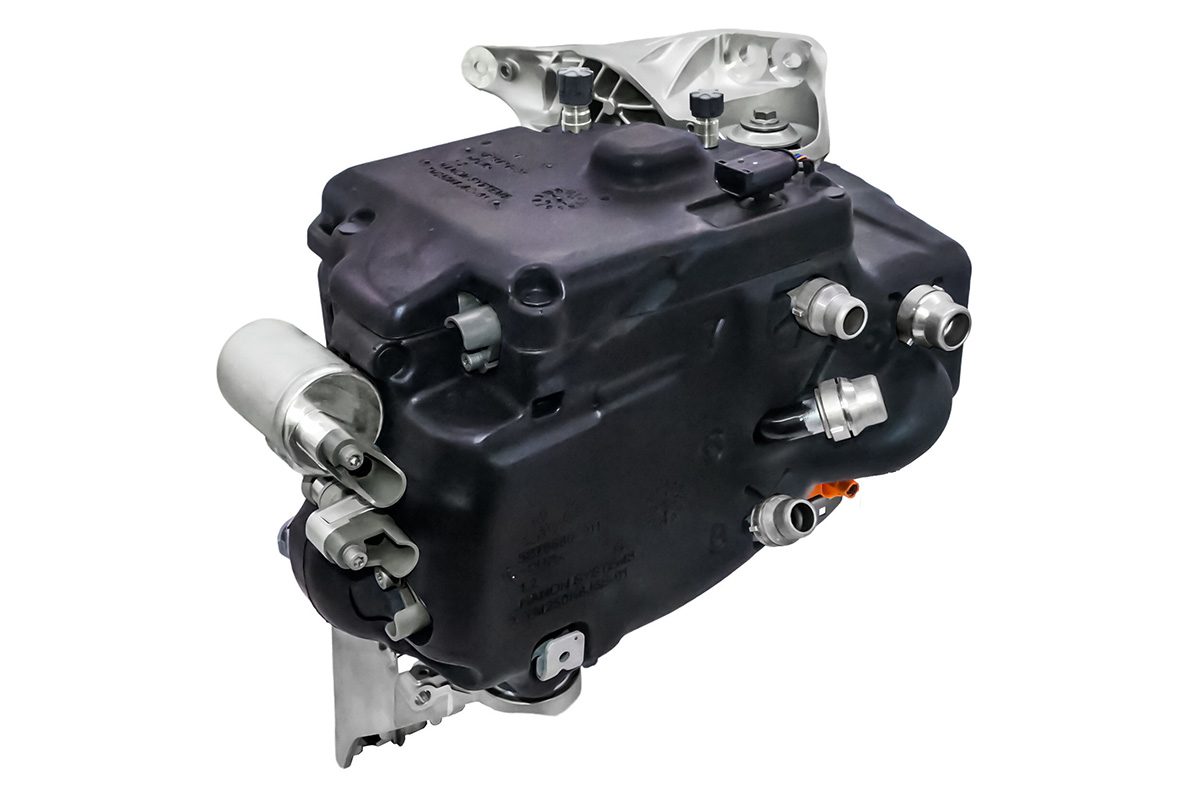
Key Takeaways:
- Hanon Systems has unveiled a highly integrated thermal management module, the HICE, designed specifically for electric vehicles.
- The 16 kg (35 lb) unit combines seven critical refrigerant-circuit components, significantly reducing complexity and packaging demands.
- Deployed in BMW’s fully electric iX3 SUV, the module dynamically regulates thermal demands across the battery, cabin, and powertrain.
- This innovation is engineered to improve thermal performance, enhance energy utilization, and contribute to an extended driving range for EVs.
- By consolidating components, the HICE module also minimises potential refrigerant leak points, boosting system reliability.
Advancing Electric Vehicle Efficiency with Integrated Thermal Solutions
As the automotive industry pivots towards electrification, the efficiency and performance of electric vehicles (EVs) are increasingly dependent on sophisticated technological advancements. A critical area of development lies in EV thermal management, a complex system vital for optimising battery life, cabin comfort, and overall vehicle performance.

In a significant stride forward, Hanon Systems, a leading global automotive thermal and energy management solutions provider, has introduced a groundbreaking highly integrated thermal management module. This innovative HICE (Highly Integrated Chiller/eCompressor) module consolidates seven distinct refrigerant-circuit components into a single, compact assembly, weighing a mere 16 kg (35 lb).
This advanced system has already seen deployment in a prominent luxury electric SUV, specifically BMW’s fully electric iX3 model, signalling its readiness for mass market application and its potential to set new industry benchmarks for efficiency and integration in electric vehicle technology.
The Intricacies of EV Thermal Management
The thermal management requirements for electric vehicles far surpass those of their internal combustion engine (ICE) counterparts. In a traditional vehicle, thermal systems primarily manage engine temperature and cabin climate. However, EVs introduce a third, highly sensitive, and critical thermal system: the battery.

All three core thermal systems – the battery, the cabin, and the powertrain – interact dynamically and require precise, real-time management. The battery, in particular, operates optimally within a narrow temperature range. Deviations from this range, either too hot or too cold, can severely impact performance, accelerate degradation, and significantly reduce its operational lifespan.
Fast charging sessions, a key convenience for EV users, generate substantial heat within the battery pack. Similarly, aggressive driving or high-performance scenarios place immense thermal demands on both the battery and the electric motor. Effectively dissipating this heat in real time is paramount to maintaining performance and safety.
Conversely, in colder climates, efficiently heating the battery is crucial to ensure optimal charging speeds and maintain the vehicle’s driving range. Traditional, disparate thermal components often struggle to address these multifaceted and instantaneous demands simultaneously, leading to compromises in efficiency or range.
Hanon’s HICE Module: A Paradigm Shift in Integration
The HICE module from Hanon Systems represents a substantial leap in tackling these complex thermal challenges. Its design philosophy revolves around consolidating critical functions, thereby streamlining the overall thermal architecture of an EV. The module integrates an array of essential components that typically function as separate units within a vehicle’s refrigerant circuit.
These integrated components include an eCompressor, an electronic expansion valve block, a water-cooled condenser, an internal heat exchanger, a chiller, A/C lines, and various pressure and temperature sensors. By bringing these elements into one unified package, the HICE module achieves remarkable savings in both space and weight, directly benefiting overall vehicle design and energy consumption.
This consolidated approach fundamentally redefines how EV thermal management systems are conceptualised and implemented. The module is engineered to dynamically regulate refrigerant flow and temperature, enabling it to manage diverse thermal demands across multiple vehicle subsystems concurrently. This includes critical scenarios such as fast charging, high-performance driving, and operation in extreme weather conditions.
Key Components and Their Synergies
The integration of components like the eCompressor, which provides the cooling power, with the electronic expansion valve block for precise refrigerant flow control, and the chiller for battery temperature regulation, creates a highly efficient closed loop. The water-cooled condenser facilitates effective heat rejection, while the internal heat exchanger optimises thermodynamic efficiency.
This synergy ensures that whether the priority is to cool a rapidly charging battery, maintain a comfortable cabin temperature, or regulate powertrain heat during demanding driving, the HICE module can intelligently allocate and manage thermal resources. This intelligent resource management is a cornerstone of improved energy utilisation, directly translating to an extended driving range for electric vehicles.
Enhancing Performance and Reliability
One of the profound benefits of Hanon’s highly integrated design is the significant reduction in system complexity and packaging requirements. Traditional thermal systems often involve numerous separate components interconnected by extensive tubing and wiring. Each connection point, particularly in refrigerant lines, represents a potential point of failure or leakage.
By consolidating these elements into a single module, the number of interconnections is drastically reduced. This not only simplifies assembly and manufacturing processes but also inherently improves the reliability and robustness of the entire thermal management system, minimising the risk of refrigerant leaks over the vehicle’s lifespan.
Furthermore, the compact nature of the 16 kg module frees up valuable space within the vehicle chassis. This allows for greater flexibility in vehicle design, potentially enabling larger battery packs, more cargo space, or more aerodynamic vehicle profiles, all contributing to enhanced EV performance and consumer appeal.
Soo Il Lee, CEO of Hanon Systems, articulated the vision behind this innovation: “Our solution transforms thermal management into an efficient and intelligent system. By unifying all critical refrigerant thermal management functions into one exceptionally compact module, we achieve savings in both packaging and materials.” This statement underscores the company’s commitment to pioneering solutions that drive the evolution of EV technology.
The Future Landscape of EV Thermal Management
The adoption of Hanon’s HICE module by a major manufacturer like BMW for its iX3 SUV, as reported in April 2026, highlights a clear industry trend towards more integrated and intelligent thermal solutions. As electric vehicle technology matures, the focus will increasingly shift from simply electrifying powertrains to optimising every aspect of vehicle performance and efficiency.
Advanced EV thermal management systems are not just about comfort; they are integral to battery longevity, vehicle safety, charging speed, and ultimately, the practical usability and widespread acceptance of electric mobility. Innovations like the HICE module are critical enablers for the next generation of EVs, pushing the boundaries of what is possible in terms of range, performance, and reliability.
The ongoing drive for greater efficiency and reduced environmental impact mandates continuous improvements in how electric vehicles manage energy. Hanon Systems’ HICE module exemplifies how strategic integration and smart engineering can deliver solutions that are not only technologically advanced but also economically viable and beneficial for both manufacturers and end-users.
Frequently Asked Questions (FAQ)
What is the Hanon HICE module?
The Hanon HICE (Highly Integrated Chiller/eCompressor) module is an advanced thermal management system for electric vehicles. It integrates seven key refrigerant-circuit components into a single, compact unit, designed to optimise temperature control across the battery, cabin, and powertrain.
Which components are integrated into the HICE module?
The module integrates an eCompressor, electronic expansion valve block, water-cooled condenser, internal heat exchanger, chiller, A/C lines, and pressure and temperature sensors. This consolidation simplifies the system and improves overall efficiency.
What are the primary benefits of this integrated design for EVs?
The HICE module significantly reduces system complexity, packaging requirements, and potential refrigerant leak points. It improves thermal performance, enhances energy utilization, and directly contributes to an extended driving range for electric vehicles, especially during fast charging or extreme weather.
How does the HICE module improve EV driving range?
By dynamically and efficiently regulating refrigerant flow and temperature across multiple subsystems (battery, cabin, powertrain), the module optimises thermal energy use. This reduces the energy drain typically associated with thermal management, thereby preserving more battery power for driving, extending the overall range.
In which vehicle has the HICE module been deployed?
Hanon Systems’ HICE module has been deployed in BMW’s fully electric iX3 SUV. This adoption by a major automotive manufacturer underscores the technology’s readiness and efficacy for contemporary electric vehicle platforms.
Why is EV thermal management more complex than in ICE vehicles?
EV thermal management is more demanding because it must simultaneously manage three interacting thermal systems: the battery, the cabin, and the powertrain. Unlike ICE vehicles, the battery’s sensitive temperature requirements for performance and longevity introduce significant additional complexity, especially during fast charging and varied environmental conditions.
What is the weight of the HICE module?
The Hanon HICE module weighs 16 kg (35 lb). This lightweight design contributes to overall vehicle efficiency and allows for greater flexibility in vehicle design and packaging, which can indirectly benefit performance and range.