
Key Takeaways:
- Peak Nano and Advanced Conversion have partnered to develop advanced DC-link capacitors for 800V+ SiC EV inverter systems.
- The collaboration combines Peak Nano’s NanoPlex LDF film, designed for high-temperature resilience, with Advanced Conversion’s ultra-low inductance Power Ring capacitor platform.
- This innovative solution aims to overcome critical challenges in electric vehicle powertrains, such as high heat and voltage overshoot from rapid SiC switching.
- Targeting applications across high-performance automotive, electric buses, heavy trucks, off-highway vehicles, and electrified aviation.
- The partnership emphasizes a US-based manufacturing approach, supporting a domestic supply chain for cutting-edge e-mobility components.
- Initial product releases are anticipated by late 2026, setting a new benchmark for DC-link performance.
In a significant development for the burgeoning electric vehicle (EV) sector, Peak Nano and Advanced Conversion have officially announced a strategic partnership. The collaboration is set to co-develop high-performance DC-link capacitor solutions specifically engineered to meet the demanding requirements of 800V+ silicon carbide (SiC) inverter systems in modern electric vehicles and advanced e-mobility platforms. Advanced Conversion operates as a wholly owned subsidiary of ETI, headquartered in Clearwater, Florida.

This alliance represents a critical step forward in addressing some of the most pressing engineering challenges faced by EV manufacturers. As the industry accelerates towards higher power densities and enhanced efficiency, the components at the heart of the powertrain must evolve. This partnership leverages specialized expertise from both companies to deliver a robust and efficient solution for DC-link capacitors for SiC EV inverters.
Revolutionizing EV Power Electronics with Advanced Materials
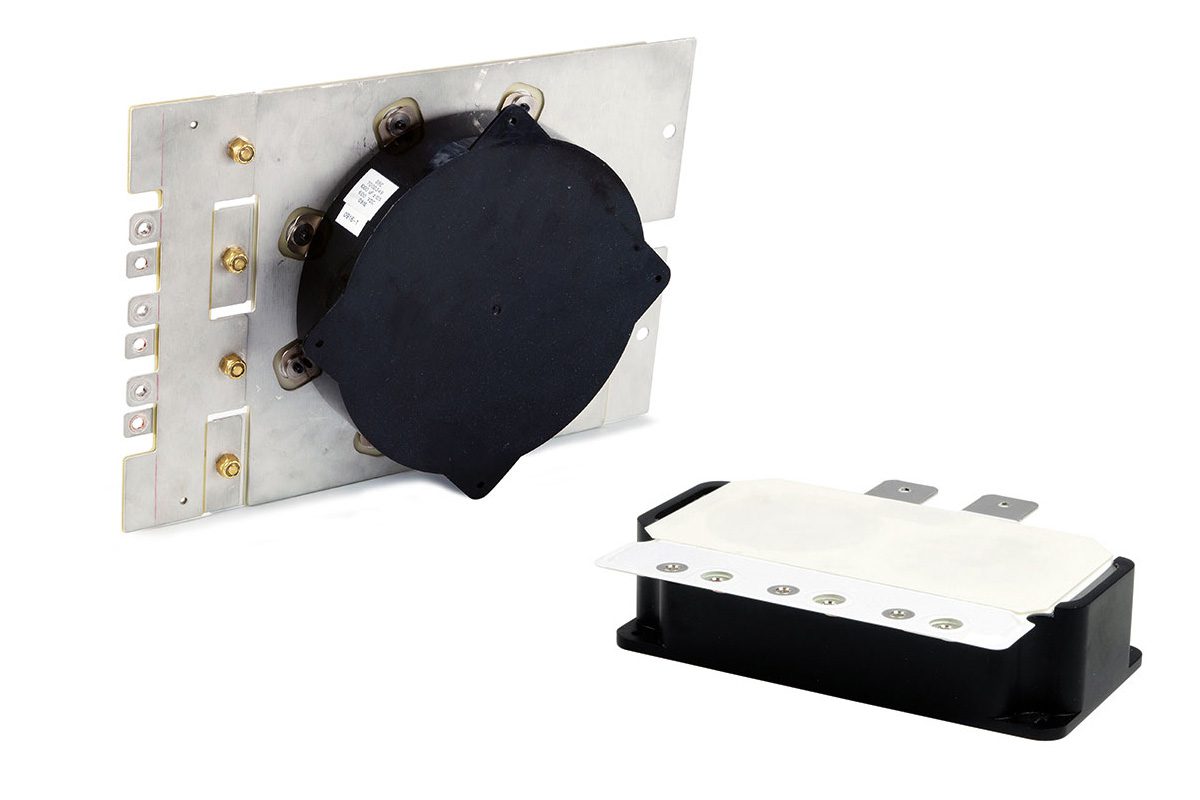
The core of this pioneering collaboration lies in the integration of two distinct yet complementary technological innovations. Peak Nano contributes its cutting-edge NanoPlex LDF (Low Dissipation Factor) capacitor film, a material engineered to offer superior performance characteristics under extreme conditions. Advanced Conversion, on the other hand, brings its highly efficient Power Ring capacitor platform to the forefront, known for its unique architectural design.
This synergistic approach aims to tackle the dual challenges of thermal management and electrical inductance, which are paramount in high-voltage, high-frequency EV inverter systems. The combined solution promises to deliver unparalleled reliability and efficiency, thereby enhancing the overall performance of electric vehicle powertrains.
NanoPlex LDF Film: A Breakthrough in Thermal Resilience
Peak Nano’s NanoPlex LDF capacitor film stands out due to its exceptional thermal stability. It consistently maintains a dissipation factor below 0.0004 even at elevated temperatures, specifically up to 150 °C. This remarkable heat tolerance provides crucial operational headroom that conventional biaxially oriented polypropylene (BOPP) film, a widely used material in traditional capacitors, simply cannot match.
BOPP-based designs typically necessitate significant derating when exposed to the high temperatures routinely encountered within high-power SiC inverters. The superior thermal performance of NanoPlex LDF directly addresses this limitation, allowing DC-link capacitors to operate reliably without compromise in strenuous EV environments. This material innovation is pivotal for the longevity and efficiency of next-generation power electronics.
Power Ring Platform: Minimizing Commutation Loop Inductance
Complementing Peak Nano’s advanced film, Advanced Conversion’s Power Ring capacitor platform directly confronts the other critical constraint in inverter design: commutation loop inductance. Its innovative, ultra-low inductance architecture is specifically designed to significantly reduce voltage overshoot during SiC switching events. This reduction is vital for preserving the integrity and performance of the inverter system.
Higher-inductance capacitor packages typically force inverter designers into derating or oversizing components to compensate for voltage spikes. The Power Ring platform eliminates this necessity, enabling more compact, efficient, and cost-effective inverter designs. Together, these technologies offer a comprehensive solution that optimizes both thermal and electrical performance for DC-link capacitors for SiC EV inverters.
The Pivotal Role of DC-Link Capacitors in EV Architectures
DC-link capacitors are indispensable components within an EV powertrain, strategically positioned between the battery bus and the inverter. Their primary function involves smoothing voltage ripple and efficiently absorbing the transient spikes generated during rapid switching operations. This critical role ensures stable power delivery to the electric motor, directly impacting the vehicle’s efficiency and performance.
The advent of SiC MOSFETs represents a paradigm shift in power electronics. These advanced semiconductor devices switch at far greater speeds compared to the silicon IGBTs they are progressively replacing. While offering significant advantages in efficiency and power density, this rapid switching characteristic introduces both higher dV/dt (rate of voltage change) and increased heat generation into the DC-link capacitor. Traditional BOPP-based capacitor designs were not engineered to withstand these intensified demands, highlighting the urgent need for specialized solutions like those being co-developed.
Industry Leaders Weigh in on Performance Benchmarks
The significance of this partnership has been underscored by statements from the CEOs of both companies, emphasizing the transformative potential of their combined efforts. Their insights highlight a collective vision to elevate the standards of power electronics in the e-mobility sector.
Edward Sawyer, CEO of Advanced Conversion, articulated the frustration often faced by engineers in the field, stating, “Engineers designing 800 V+ inverter systems shouldn’t have to derate, oversize, or add cooling just so their capacitors can keep up.” This statement encapsulates the core problem the partnership aims to solve, freeing designers from performance compromises previously deemed unavoidable.
Echoing this sentiment, Peak Nano CEO Jim Welsh emphasized the strategic alignment of the companies’ strengths. He remarked that the partnership “puts the right film and the right manufacturing platform together for the first time,” poised to target “a new benchmark for DC-link performance in e-mobility on land, sea and air.” This forward-looking perspective suggests the impact of these advanced DC-link capacitors for SiC EV inverters will extend beyond conventional automotive applications.
Broad Market Adoption and Domestic Supply Chain Advantages
The scope of target applications for this co-developed capacitor solution is extensive, reflecting the broad applicability of enhanced power electronics across various e-mobility segments. The new DC-link capacitors are slated for integration into high-performance automotive platforms, including competitive motorsport series like Formula E, alongside more utilitarian applications such as electric buses and heavy trucks. Furthermore, their utility extends to off-highway vehicles and the rapidly emerging field of electrified aviation, underscoring the versatility and robustness of the technology.
A notable aspect of this collaboration is Advanced Conversion’s US-based manufacturing capabilities. This strategic positioning ensures that the combined solution offers a crucial domestic supply chain option for manufacturers. In an era where supply chain resilience and national security are increasingly prioritized, having a local source for critical EV components like these DC-link capacitors for SiC EV inverters provides a significant advantage. The companies have announced that initial product releases stemming from this partnership are strategically planned for late 2026, marking a tangible timeline for their market introduction.
FAQ Section
What is the primary goal of the Peak Nano and Advanced Conversion partnership?
The partnership aims to co-develop advanced DC-link capacitor solutions specifically designed for 800V+ SiC inverter systems used in electric vehicles and various e-mobility platforms. This collaboration seeks to enhance performance and overcome limitations of existing capacitor technologies.
What key technologies are being combined in this collaboration?
The collaboration integrates Peak Nano’s NanoPlex LDF (Low Dissipation Factor) capacitor film with Advanced Conversion’s Power Ring capacitor platform. NanoPlex LDF offers superior high-temperature performance, while the Power Ring platform provides an ultra-low inductance architecture to mitigate voltage overshoot.
How does NanoPlex LDF improve capacitor performance?
NanoPlex LDF film maintains an exceptionally low dissipation factor below 0.0004 up to 150 °C. This thermal resilience is crucial for high-power SiC inverters, as it prevents the need for significant derating or additional cooling often required by conventional BOPP-based capacitor designs at such temperatures.
What problem does Advanced Conversion’s Power Ring platform address?
The Power Ring platform addresses commutation loop inductance, a key constraint in inverter design. Its ultra-low inductance architecture effectively reduces voltage overshoot during SiC switching events, allowing inverter designers to avoid the derating and oversizing typically associated with higher-inductance capacitor packages.
Why are DC-link capacitors crucial in EV powertrains?
DC-link capacitors are positioned between the battery bus and the inverter. They are essential for smoothing voltage ripple and absorbing switching transients, ensuring stable power delivery. This function becomes even more critical with SiC MOSFETs due to their faster switching speeds and increased thermal demands.
Which applications will benefit from these new DC-link capacitors?
The target applications are diverse, encompassing high-performance automotive sectors like Formula E, electric buses, heavy trucks, and off-highway vehicles. The technology is also poised to serve the evolving requirements of electrified aviation, indicating its broad applicability across the e-mobility landscape.
When are the initial product releases planned for this partnership?
The initial product releases resulting from the collaboration between Peak Nano and Advanced Conversion are anticipated to be available in late 2026. This timeline marks a significant milestone for the introduction of these next-generation DC-link capacitors to the market.