
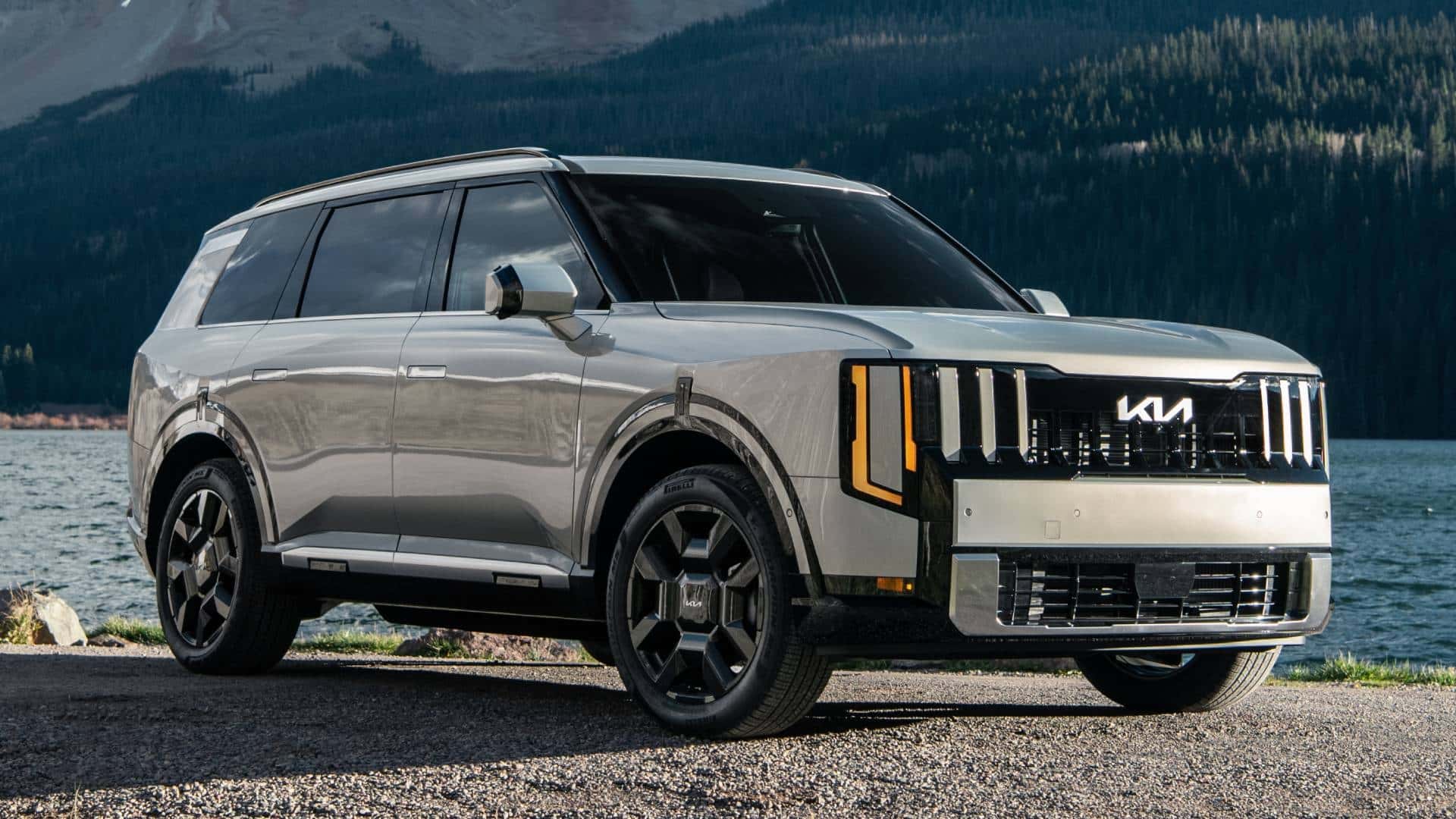
The automotive landscape in the United States is witnessing a significant shift, distinguishing itself from global trends. While major markets like China and Europe steadily transition towards cleaner electric vehicles (EVs), American consumers are increasingly gravitating towards hybrid models. This surge in hybrid popularity, driven primarily by persistent concerns over rising fuel prices, presents notable Electric Vehicle Market Challenges and raises questions about the pace of electrification in the US.
Key Takeaways
- US consumers are increasingly choosing hybrid vehicles over electric vehicles, a trend contrasting with EV adoption rates in China and Europe.
- The expiration of attractive EV lease deals and the recalibration of federal tax credits have led to higher real-world EV prices, impacting consumer interest.
- Data from Edmunds indicates a significant percentage of EV owners are switching to traditional combustion or hybrid vehicles after their leases end.
- Affordability, fuel economy, and anxieties surrounding range and charging infrastructure are major Electric Vehicle Market Challenges.
- Industry experts believe lower-priced EV models, particularly in popular segments like pickup trucks and SUVs, are crucial for broader adoption.
- Despite current hurdles, loyalty among existing EV owners remains high, and improvements in charging infrastructure are underway.
The Hybrid Comeback Amidst Fuel Price Volatility
For years, the narrative surrounding the automotive future centered on a rapid, irreversible transition to fully electric vehicles. However, recent data from the US market suggests a more nuanced reality. The traditional hybrid vehicle, a technology bridging internal combustion engines and electric powertrains, is experiencing a remarkable resurgence.

This renewed interest is largely a response to fluctuating fuel costs, offering consumers an immediate solution for improved fuel efficiency without the perceived complexities of a purely electric vehicle. The Sportage, for instance, emerged as Kia’s top-selling model in July, with its hybrid variant recording the most significant increase in sales, underscoring this trend.
Shifting Consumer Sentiment and Market Dynamics
A few years prior, automakers and dealerships actively pushed electric vehicles through highly attractive lease deals, sometimes seeing new EVs leased for less than $100 per month. As these initial leases mature and expire, the market is undergoing a significant recalibration. Reduced incentive programs mean that the real-world acquisition cost for new EVs is now considerably higher.
The landscape for electric vehicles in the US was further impacted by the expiration of the $7,500 federal tax credit for new EVs last September. This policy shift created a ripple effect, contributing to a market that is still striving for stability. Consequently, the average EV lease payment has risen, reaching $707 last month, notably $100 more than for a non-EV, as reported by Edmunds.

Trade-In Trends: A Mixed Picture for EVs
The higher costs are translating into interesting trade-in patterns. According to data from Edmunds for the second quarter of this year, a substantial 15.6% of owners trading in their electric vehicles opted for a new hybrid. Even more striking, 34.6% chose another new EV, while traditional combustion vehicles saw a comeback, accounting for 42.6% of defectors. This figure surpasses the combined total for new EVs and plug-in hybrids (5.4%), though it’s important to note these statistics exclude sales from Tesla, Rivian, and Lucid stores, which primarily sell EVs.
Conversely, hybrid owners exhibit strong brand and powertrain loyalty. A dominant 58.3% of buyers trading in their old hybrid at traditional dealerships chose to acquire another new hybrid model, indicating high satisfaction with the technology. This contrasts with the less consistent loyalty observed among EV owners, highlighting one of the pertinent Electric Vehicle Market Challenges.
Affordability Remains a Core Hurdle
Industry experts consistently point to affordability as a primary impediment to widespread EV adoption. Corey Cantor, Research Director at the Zero Emissions Transportation Association (ZETA), a federal coalition advocating for the EV supply chain, highlighted the current market difficulties. “It’s a very tough market right now, with car prices increasing and buyers looking for affordable options,” Cantor stated.
He further elaborated on the economic rationale behind hybrid choices: “A traditional hybrid is typically just a few hundred dollars to a thousand more than a simple gas model, so it makes sense to get a hybrid because of the promised fuel savings.” This perception of immediate value and fuel efficiency often outweighs the long-term benefits of an EV, contributing to the Electric Vehicle Market Challenges.
Consumer Preference Data Confirms Hybrid Appeal
A comprehensive report from Cox Automotive reinforces these observations with compelling data. In the first half of the year, 22% of car buyers expressed consideration for a new hybrid, marking an increase from 20% in the previous year and setting a new record for this powertrain type. During the same period, only 10% of buyers considered a new EV, a slight decline from 11% in the first half of 2025.
The Cox Automotive study also revealed that among the ten most desired electrified vehicles in the US, only one was a pure EV—the widely popular Tesla Model Y crossover. This underscores the prevalent consumer preference for hybrids when considering electrified options, creating a significant barrier for the expansion of the EV segment.
Over the past five years, the study found that affordability and fuel economy have grown in importance for all new car buyers. These factors, alongside perennial concerns like durability and safety, continue to be paramount in influencing purchase decisions, directly impacting the current Electric Vehicle Market Challenges.
Beyond Price Cuts: The Holistic Cost of EV Ownership
While making electric vehicles more affordable is a clear objective, simply lowering the sticker price may not be a silver bullet. Car manufacturers are not always inclined or equipped to drastically cut EV prices, often opting to adapt existing combustion engine models into hybrids for efficient production.
Research from Escalent suggests that price reductions alone might not fully address the affordability equation. Consumers are evaluating a broader spectrum of costs, ranging from monthly payments to operational expenses. Notably, the potential costs associated with battery replacement and the setup of home charging infrastructure are ranking above the initial purchase price as reasons why EVs are perceived as unaffordable.
Stephanie Valdez Streaty, director of industry insights at Cox Automotive, emphasized this point during an InsideEVs podcast episode. “We need vehicles that are affordable and have that price parity with their ICE counterpart,” she remarked. “Once we have more options like that, I think that’s going to be the game changer.” This highlights the critical need for a more comprehensive approach to tackling Electric Vehicle Market Challenges.
The Push for Affordable Electric Pickups and SUVs
Recognizing the deep-seated American affinity for pickup trucks and SUVs, several manufacturers are now targeting these segments with more accessible electric models. Ford, for instance, is actively developing an affordable electric pickup truck, aiming to fill a crucial void in the market. Similarly, Slate is also working on its first model in this segment.
Historically, electric variants like the Ford F-150 Lightning and Tesla Cybertruck have struggled to match the sales volumes of their gasoline counterparts, primarily due to higher purchase prices and perceived limitations in driving range. The discontinuation of the Lightning last year and the comparatively lower sales figures for the Cybertruck illustrate these Electric Vehicle Market Challenges.
Experts believe that a $30,000 price point represents a “sweet spot” for new car sales in the US, as noted by Corey Cantor of ZETA. “$30,000 is the sweet spot for a new car in the U.S., so if more automakers launched EVs at this price point, we would see more EV sales,” he stated, expressing excitement for upcoming affordable models from Ford and Slate. This strategic pricing could be pivotal for broader adoption.
Charging Infrastructure and Range Anxiety
Beyond vehicle costs, the practicality of EV ownership is heavily influenced by charging infrastructure. Access to affordable home charging remains a significant issue, particularly for residents of multi-family dwellings who may lack convenient access to Level 2 chargers. This often compels EV owners to rely on public charging stations, which can incur higher costs than overnight home charging, diluting the economic advantage of an EV.
Range anxiety—the concern about an EV’s battery running out before reaching a charging point—is another persistent barrier. While loyalty among current EV owners remains high, with 90% in the US intending to purchase another EV, according to CDK Global’s latest survey, the market is now targeting a broader consumer base. These new buyers are often less familiar or interested in new powertrain technologies, and thus more susceptible to “usual adoption hurdles for EVs,” including “upfront costs, range anxiety, and charging anxiety,” as explained by Cantor.
The Road Ahead for Electric Vehicles
Predicting the precise trajectory of the American automotive market over the next decade is complex, but the immediate outlook for 2026 suggests continued robust sales for hybrid vehicles. This trend positions EVs in direct competition with traditional combustion engine cars for market share, a challenging scenario given current consumer preferences and cost structures.
Nevertheless, the long-term prospects for electric vehicles remain promising. The charging infrastructure is expanding rapidly, with more public stations being installed and ongoing efforts to improve reliability and user experience. Innovations in battery technology and vehicle design are also yielding models like the BMW iX3 and Mercedes-Benz CLA, which offer impressive charging speeds and extended driving ranges, effectively mitigating range anxiety.
The key to accelerating EV adoption in the US lies in overcoming the current Electric Vehicle Market Challenges, particularly through the introduction of more affordable and desirable models. The demand for smaller, practical electric pickup trucks and SUVs, combined with lower lease costs and easier access to cost-effective home charging, will be crucial in convincing a wider segment of the American populace to embrace the electric future.
Frequently Asked Questions (FAQ)
Why are hybrid sales increasing in the US?
Hybrid sales are increasing primarily due to rising fuel prices and consumer desire for better fuel economy. Hybrids offer a balance between traditional gasoline cars and electric vehicles, providing immediate fuel savings without requiring significant changes to driving habits or charging infrastructure reliance.
How has the end of EV tax credits impacted the market?
The expiration of the $7,500 federal EV tax credit last September, combined with attractive early lease deals ending, has resulted in higher real-world purchase and lease prices for new electric vehicles. This recalibration has made EVs less competitive on price compared to hybrids and conventional gasoline cars.
Are EV owners switching back to gas or hybrid cars?
Recent data indicates a notable trend. According to Edmunds, 15.6% of EV owners trading in their vehicles in Q2 chose a new hybrid, and 42.6% opted for traditional combustion vehicles. This suggests that while EV loyalty is high for some, others are seeking alternatives due to affordability and charging concerns.
What are the biggest Electric Vehicle Market Challenges?
Key challenges include higher upfront costs for EVs compared to hybrids or gas cars, concerns about battery replacement costs, limited access to affordable home charging, and persistent range and charging anxiety. The lack of affordable EV models in popular segments like pickup trucks and SUVs also contributes to these hurdles.
How important is affordability for EV adoption?
Affordability is paramount. Experts suggest that EVs need to reach price parity with their internal combustion engine (ICE) counterparts. Consumers are factoring in not just the purchase price but also monthly payments, operating costs, and charging infrastructure availability when assessing an EV’s overall value.
What is the role of charging infrastructure in EV adoption?
Robust and accessible charging infrastructure is critical. Many multi-family homes lack Level 2 chargers, forcing owners to rely on public charging, which can be more expensive. Expanding reliable public charging options and ensuring affordable home charging solutions are essential to alleviate anxiety and encourage EV uptake.
What is the outlook for EVs in the US market?
While hybrids are expected to continue their rise in the short term, the long-term outlook for EVs remains positive. Expanding charging networks, improving charging speeds, and introducing more affordable EV models, particularly in sought-after segments like smaller SUVs and pickup trucks, are anticipated to drive future growth.