
Key Takeaways
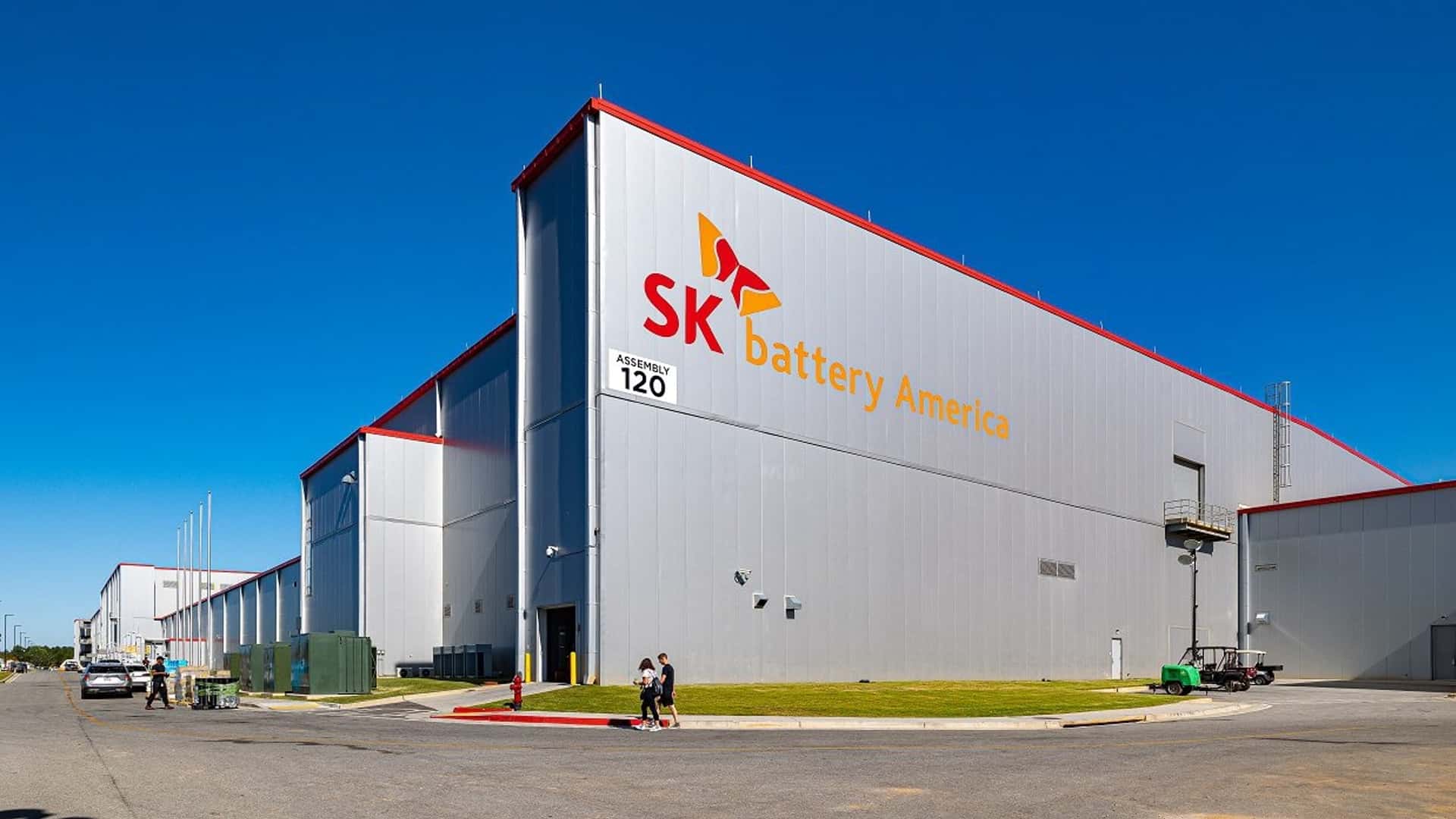
- Hyundai Motor Group and SK On have officially activated their $5 billion electric vehicle battery plant in Bartow County, Georgia.
- This joint venture, Hyundai SK Battery Manufacturing America, is poised to become a cornerstone of the region’s burgeoning EV manufacturing ecosystem.
- At its peak, the state-of-the-art facility is projected to produce 35 gigawatt-hours of batteries annually, sufficient for approximately 300,000 electric vehicles.
- The project, one of Georgia’s largest economic development initiatives, aims to generate around 3,500 new jobs.
- Despite a recent slowdown in U.S. EV sales, Hyundai and Kia remain committed to their electrification strategy, bolstering domestic battery production.
Hyundai Activates Major EV Battery Plant in Georgia
Hyundai Motor Group, in a significant stride towards solidifying its electric vehicle (EV) manufacturing footprint in North America, has officially commenced operations at its $5 billion battery facility in Bartow County, Georgia. This pivotal venture, a collaboration with Korean battery giant SK On, marks a substantial investment in the future of electric mobility.
The joint entity, formally known as Hyundai SK Battery Manufacturing America, initiated trial runs last month and has now entered an early production phase. Plans are firmly in place for a methodical, gradual scaling-up of its output, as reported by The Atlanta Journal-Constitution, citing a Hyundai spokesperson.
Strategic Investment Bolsters Domestic EV Production
This massive investment underscores Hyundai’s strategic vision to onshore critical components of its EV supply chain. By establishing the Hyundai EV battery plant in Georgia, the automaker aims to create a robust and integrated ecosystem for electric vehicle manufacturing within the United States.
The facility is designed to supply high-performance batteries directly to Hyundai and Kia’s nearby assembly operations, including the Metaplant America near Savannah. This synergy is crucial for streamlining production and enhancing supply chain resilience.
Economic Impact and Job Creation for Georgia
Recognized as one of Georgia’s most substantial economic development projects, the `Hyundai EV battery plant` is poised to deliver significant benefits to the local economy. Beyond the capital injection, the 3.3-million-square-foot facility is expected to create approximately 3,500 new jobs, providing substantial employment opportunities in the region.
The project, first announced in 2022, was initially anticipated to begin production last year. While the current focus is on early-stage output, the long-term goal remains to achieve full operational capacity, which will unlock its full economic and industrial potential.
Navigating the Evolving EV Market Landscape
At its full operational capacity, the `Hyundai EV battery plant` is engineered to produce 35 gigawatt-hours (GWh) of batteries annually. This output is projected to be sufficient to power up to 300,000 electric vehicles each year, signaling Hyundai’s ambitious targets in the global EV market.
However, the activation of this facility comes at a time when the U.S. electric vehicle market is experiencing a period of adjustment. A recent slowdown in EV sales, influenced by factors such as the conclusion of certain federal tax credits and evolving consumer preferences, has introduced a degree of uncertainty.
Hyundai and Kia’s Unwavering Commitment
Despite these market fluctuations, Hyundai and Kia have largely maintained their aggressive electrification strategies. Unlike some American automakers who have scaled back EV ambitions to prioritize more profitable internal combustion engine (ICE) trucks and SUVs, the Korean automotive giants are doubling down on their EV ventures.
Their dedicated EV assembly operations are firmly anchored in Georgia. The acclaimed Hyundai Ioniq 5 crossover and the upcoming three-row Ioniq 9 SUV are assembled at Metaplant America. Concurrently, the mechanically related Kia EV6 and EV9 models are produced at Kia’s manufacturing plant in West Point, solidifying the state’s role as a vital hub for their electric future.
Hyundai’s Dual Battery Manufacturing Strategy
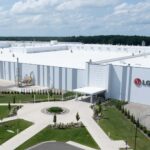
The `Hyundai EV battery plant` with SK On is not Hyundai’s sole strategic move in U.S. battery production. The automaker also operates a separate 50-50 joint venture with another Korean battery giant, LG Energy Solution. This entity, known as HL-GA Battery Company, is also located in Bartow County.
This parallel $4.3 billion project was initially envisioned to contribute an additional 30 GWh of battery capacity, capable of supporting another 300,000 electric vehicles annually. The presence of two such significant `Hyundai EV battery plant` operations highlights the company’s commitment to ensuring a diversified and robust battery supply chain.
It is noteworthy that the HL-GA Battery Company facility drew headlines last year following a major immigration raid. The incident led to production delays and involved the detention of Korean nationals who were instrumental in the initial setup and operationalization of the plant.
Georgia Emerges as a Premier EV Manufacturing Hub
Hyundai is not alone in recognizing Georgia’s strategic advantages for electric vehicle manufacturing. The state has attracted considerable investment from other major players in the automotive industry, further establishing itself as a burgeoning epicenter for green technology.
Rivian, for instance, has plans for a massive, multi-billion-dollar manufacturing plant in Georgia. While its R2 model is currently rolling off the production lines at an expanded factory in Normal, Illinois, the Georgia facility is expected to significantly augment R2 capacity. Furthermore, it will be integral to the production of the smaller R3 and the 50,000 robotaxis Rivian intends to build in partnership with Uber.
This confluence of investments from leading automakers and battery manufacturers underscores Georgia’s growing importance in the global shift towards sustainable mobility. The state’s supportive economic environment, logistical advantages, and skilled workforce are proving attractive to companies investing in the future of electric vehicles.
The Road Ahead for Hyundai’s EV Battery Plant
The commissioning of the `Hyundai EV battery plant` in Bartow County represents a critical milestone for Hyundai Motor Group and its partners. It signifies a long-term commitment to electric vehicles and a recognition of the strategic imperative to localize production of essential components like batteries.
While the path to full capacity utilization will be influenced by evolving market demand and broader economic conditions, the underlying strategy is clear: to establish a resilient, high-volume production capability in North America. This foundational investment positions Hyundai strongly to capitalize on the anticipated long-term growth of the electric vehicle market, reinforcing its leadership in sustainable transportation.
Frequently Asked Questions (FAQ)
What is the primary purpose of the new Hyundai EV battery plant in Georgia?
The new `Hyundai EV battery plant` is a joint venture between Hyundai Motor Group and SK On. Its primary purpose is to produce high-voltage batteries for Hyundai and Kia electric vehicles, supplying components to their assembly plants in Georgia and strengthening their North American EV supply chain.
What is the production capacity of the Hyundai SK Battery Manufacturing America facility?
At its full operational capacity, the `Hyundai EV battery plant` is designed to produce 35 gigawatt-hours (GWh) of batteries annually. This capacity is estimated to be sufficient to power approximately 300,000 electric vehicles each year, underscoring its significant output potential.
How many jobs is the Hyundai EV battery plant expected to create?
The `Hyundai EV battery plant` in Bartow County, Georgia, is anticipated to generate a substantial number of employment opportunities. It is expected to create around 3,500 new jobs, contributing significantly to local economic growth and development in the region.
When was the Hyundai EV battery plant initially announced and when did it begin operations?
The `Hyundai EV battery plant` was first announced in 2022, with an initial expectation to begin production in 2023. The facility officially started trial runs in June and entered an early production stage in July, signaling its readiness to scale operations gradually.
Does Hyundai have other battery manufacturing investments in Georgia?
Yes, in addition to the joint venture with SK On, Hyundai also has a separate 50-50 joint venture with LG Energy Solution. This facility, known as HL-GA Battery Company, is also located in Bartow County and aims to produce an additional 30 GWh of battery capacity for electric vehicles.
How is Hyundai navigating the current slowdown in US EV sales with this new investment?
Despite a recent slowdown in US EV sales, Hyundai and Kia remain committed to their electrification strategy. The investment in the `Hyundai EV battery plant` reflects a long-term vision, ensuring a domestic supply of critical components and positioning the company to meet anticipated future demand for electric vehicles.