
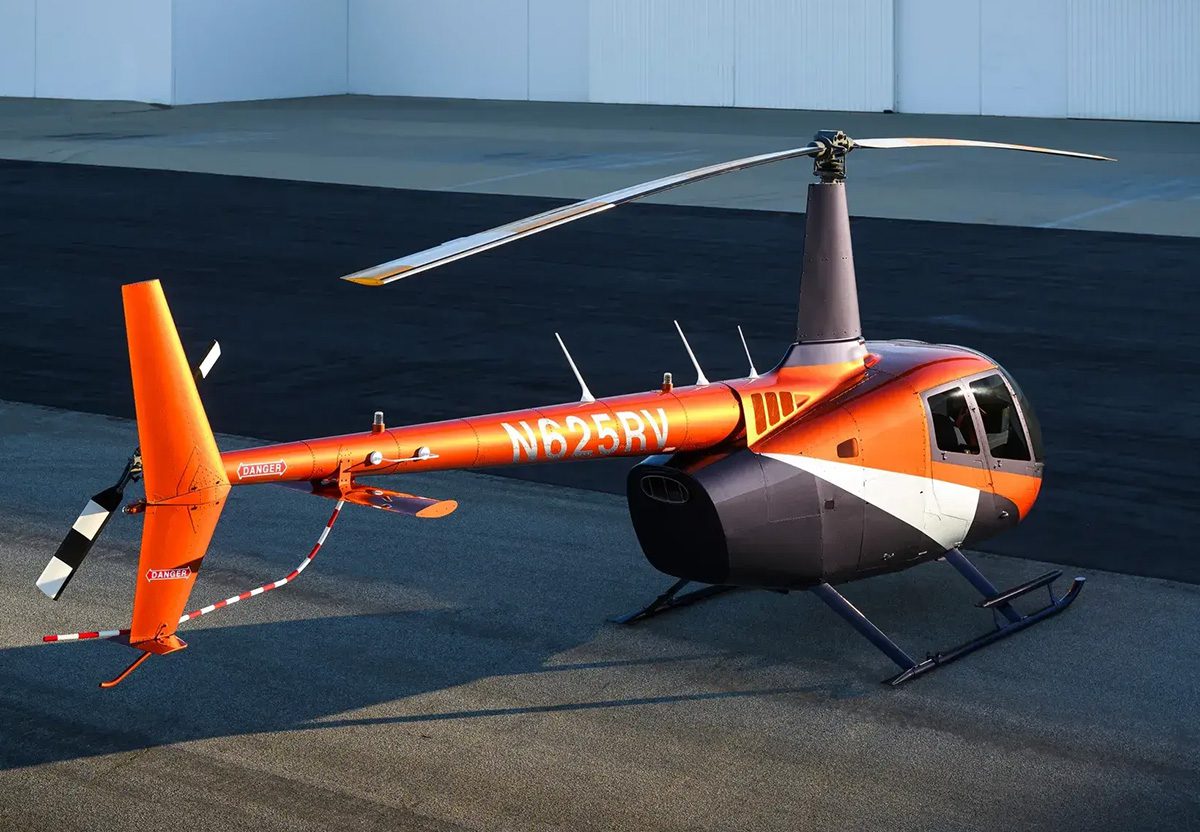
In a significant stride towards sustainable aviation, KULR Technology Group has officially announced a partnership with Robinson Helicopter. This strategic collaboration is set to co-develop the sophisticated battery system for the eR66, an innovative battery-electric demonstrator aircraft meticulously engineered from Robinson’s renowned R66 helicopter platform. The initiative underscores a growing industry commitment to decarbonization and advanced propulsion technologies in the aerospace sector.
The agreement outlines a clear division of responsibilities, with KULR Technology Group taking the lead in designing and integrating a lightweight battery architecture specifically tailored for the eR66. This crucial phase of development will leverage KULR’s proprietary battery safety and cutting-edge thermal-management technologies, essential for the demanding operational environment of rotorcraft.

Advancing Energy Density and Thermal Stability for Electric Flight
At the core of this joint development effort lies a concentrated focus on several critical performance metrics. Engineers from both companies will work to significantly improve the energy density of the electric helicopter battery system, a paramount factor determining an electric aircraft’s range and payload capacity. Higher energy density translates directly to extended flight durations and greater operational utility, vital for commercial and civil applications.
Concurrently, the project prioritizes enhancing thermal stability, a crucial element for ensuring the safety and longevity of high-performance battery packs. Effective thermal management prevents overheating, mitigates the risk of thermal runaway, and maintains optimal operating temperatures, all of which are indispensable for reliable and safe flight operations. These advancements are integral to delivering a robust and dependable power source for the eR66.
Furthermore, the collaboration aims to boost the overall operational efficiency of the eR66. This involves optimizing power delivery, minimizing energy losses within the battery system, and ensuring seamless integration with the helicopter’s electric propulsion unit. Achieving high operational efficiency is key to maximizing the effective use of stored energy and ultimately reducing per-flight costs.

Beyond performance enhancements, the partnership is dedicated to establishing rigorous testing and development protocols. These protocols are specifically designed to meet and exceed the stringent safety standards required for aviation. Given the inherent complexities and high-stakes nature of flight, unparalleled emphasis is placed on ensuring that every component of the electric helicopter battery system adheres to the highest levels of safety and reliability, paving the way for eventual certification and widespread adoption.
Strategic Goals: From Operations to Supply Chains
Initial program milestones for the eR66 project are anticipated to be reached by late 2026, marking a pivotal moment in the development timeline. This early target underscores the accelerated pace and serious commitment of both KULR Technology Group and Robinson Helicopter to bring this innovative electric aircraft to fruition.
The current agreement also lays the groundwork for a broader and more comprehensive joint research, engineering, and prototyping endeavor. This expanded collaboration seeks to maximize synergies by combining Robinson’s established manufacturing base in California with KULR’s specialized battery development and thermal management operations in Texas. Such a geographical and technological integration is expected to streamline development cycles and foster greater innovation.
The strategic objectives of this partnership extend beyond the immediate development of the eR66. A primary goal is to significantly lower long-term operating costs for electric helicopters. Electric propulsion inherently offers advantages over traditional fuel-based systems, including reduced fuel expenses and potentially lower maintenance requirements due to fewer moving parts in the powertrain. These cost savings are expected to make electric helicopters more economically viable for a wider range of operators.
Additionally, the collaboration aims to strengthen domestic aerospace supply chains. By developing and manufacturing key components like the electric helicopter battery system within the United States, the initiative seeks to reduce reliance on foreign suppliers, enhance national security in critical technological areas, and foster job creation within the domestic aerospace industry. This focus on localized production builds resilience and stability into the supply network for future electric aviation projects.
Another forward-thinking aspect of the partnership is the exploration of second-life uses for the battery systems after their primary service in flight. This innovative approach to battery lifecycle management seeks to extract maximum value from these advanced power units, repurposing them for stationary energy storage or other applications once they no longer meet the exacting performance standards required for aviation. This strategy aligns with broader sustainability goals and contributes to a circular economy model for high-tech components.
Industry Leaders on the Horizon of Electric Aviation
Leadership from both companies has articulated a clear vision for the impact of this partnership. David Smith, President and CEO of Robinson Helicopter, emphasized the transformative nature of the project, stating, “The development of a battery electric R66 helicopter alongside KULR represents an important shift in how we serve our global commercial and civil operators.” This statement highlights a proactive adaptation to evolving market demands and environmental mandates.
Michael Mo, CEO of KULR Technology Group, elaborated on the intrinsic versatility of his company’s battery solutions. He explained that KULR’s battery systems were “designed from day one for dual use: a primary flight cycle and a certified second life.” This design philosophy not only ensures optimal performance during flight but also champions sustainable practices by considering the entire lifecycle of the battery from conception.
Navigating the Engineering Trade-offs in Electric Flight
The journey towards fully electric aviation is fraught with complex engineering challenges. KULR CTO Will Walker openly acknowledged these inherent difficulties, underscoring that electric aviation fundamentally involves a brutal engineering tradeoff. Balancing critical factors such as high energy density, minimal weight, robust thermal control, and uncompromising safety requires innovative solutions and meticulous attention to detail.
Walker further articulated the central challenge faced by engineers in this emerging field: the delicate equilibrium required to achieve high energy density and low weight while simultaneously ensuring “uncompromising safety.” This statement encapsulates the core technical hurdle that KULR and Robinson Helicopter are committed to overcoming, ensuring that the advancements in power and efficiency never come at the expense of operational safety.
The collaborative effort between KULR Technology Group and Robinson Helicopter for the eR66 electric helicopter battery system stands as a testament to the industry’s drive towards a future of cleaner, more efficient, and sustainable air travel. With initial milestones set for late 2026, the project is poised to make significant contributions to electric aviation, potentially redefining operational paradigms for commercial and civil helicopter services worldwide.