
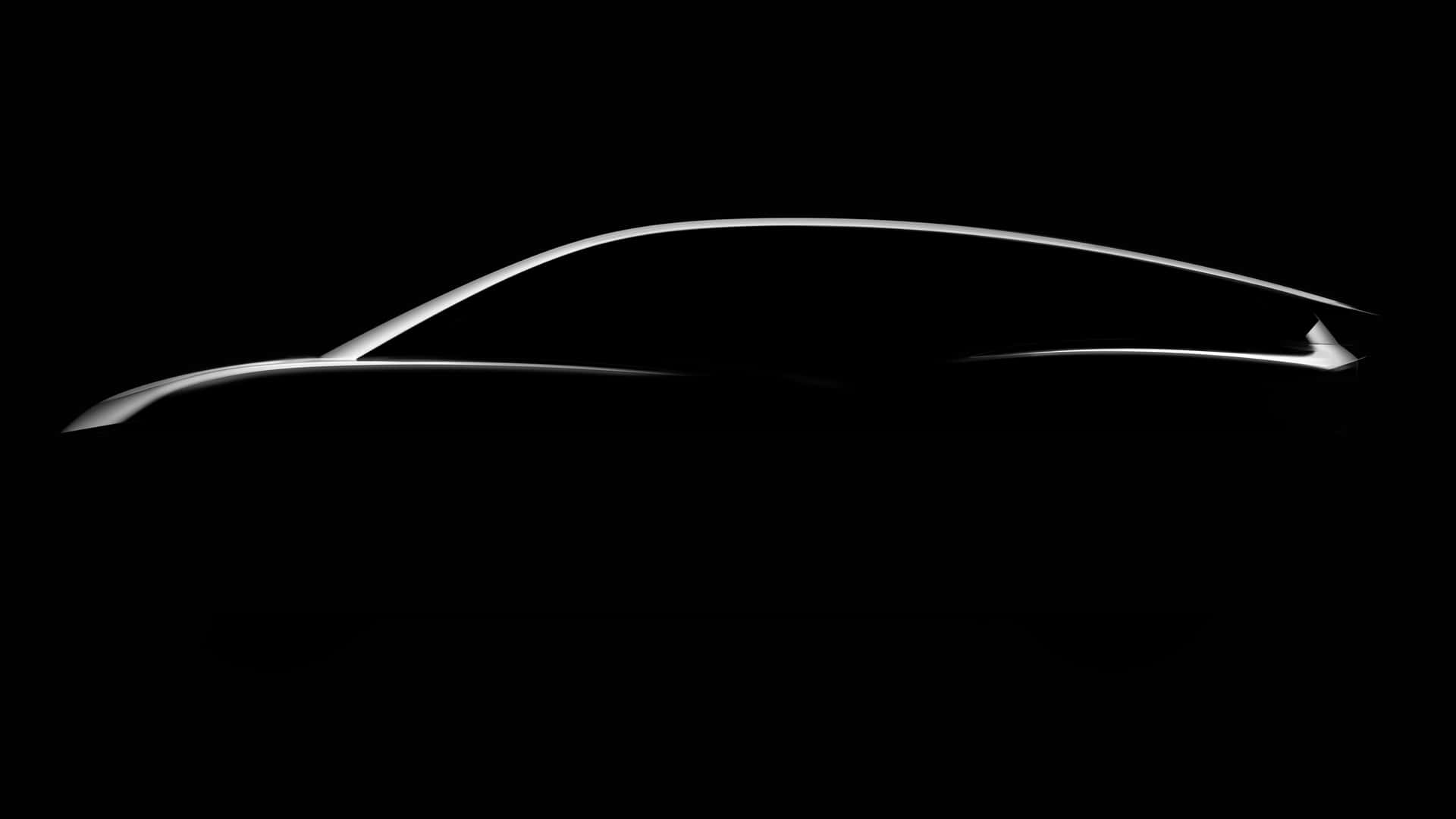
Lucid Motors is preparing to launch its pivotal midsize electric vehicle, codenamed Cosmos, a model widely seen as its most critical yet in the company’s bid for profitability. The automaker revealed a prototype and a wealth of details at its recent Investor Day event in New York, showcasing a vehicle designed to challenge established players like the Tesla Model Y in a fiercely competitive market segment.
Lucid Cosmos: A Strategic Move for Profitability
The upcoming midsize crossover, expected to start around $50,000, is Lucid’s clearest path toward achieving financial stability. The company is reportedly burning through cash rapidly, making the success of the Cosmos and its variants paramount. The vehicle is poised to compete directly with models such as the Tesla Model Y, Rivian R2, BMW iX3, and Volvo EX60, among others.

An Unprecedented Reveal: From Prototype to Architecture
Contrary to expectations of a typical industry presentation, Lucid provided an unusually transparent and information-rich unveiling. The event featured a near-final prototype of the Cosmos, a concept robotaxi named Lunar, and detailed insights into the vehicle’s underlying engineering, including its new midsize EV platform, the Atlas drive unit, and its next-generation electrical architecture. Photography was restricted, but the details shared offer a comprehensive look at the new model.
Exterior Design: A Blend of Familiarity and Innovation
The prototype presented was a striking, near-production-ready design. The Cosmos appears to be a smaller sibling to the larger Gravity SUV, featuring a coupe-like roofline. Its design incorporates a distinctive, curvaceous front end with illuminated Lucid emblems, a departure from current branding with larger lettering. Sharp, angular daytime-running lights and Matrix headlamps contribute to its aggressive stance, while a front-facing lidar sensor is integrated into the grille, signaling Lucid’s advanced autonomous driving aspirations.
A notable shift in the exterior design is the return to manual door handles. While still flush with the bodywork, they now feature a recess for easier manual operation. This change addresses safety concerns associated with electronic door handles, which can fail if the vehicle’s low-voltage battery depletes.

The rear of the Cosmos presents a more polarizing, aggressive design, drawing comparisons to vehicles like the Audi Q6 Sportback e-tron. This aerodynamic styling contributes to a projected coefficient of drag of 0.22 and an estimated range exceeding 300 miles. Derek Jenkins, Lucid’s Senior Vice President of Design and Brand, explained that this sharp taper was necessary to balance several functional requirements, including cargo space, rear visibility, and aerodynamic efficiency. Jenkins acknowledged it might be an acquired taste but stressed its functional necessity.
Despite the sloping roofline, both the rear cargo area and the front trunk (frunk) appeared to offer generous storage capacity on the prototype.
Interior Design: Minimalism Meets Digital Integration
The interior of the Cosmos emphasizes a minimalist and upscale aesthetic. It adopts a single, expansive display that spans from behind the steering wheel to the passenger side, a departure from the separate screens seen in the Gravity. This design aims to enhance the integration of autonomous driving features and create a more communal digital experience for occupants.
Jenkins described this as a “democratic experience,” allowing for dynamic display of navigation, AI systems, and potential third-party applications. The display can be customized to show various information, including for passengers when the vehicle is stationary or charging.
Lucid also confirmed plans for a right-hand drive version of the display and interior layout to cater to expanding international markets, including the UK and Germany. The cabin will feature a blend of fabric and sustainable, non-leather materials, with recycled content used for door panels. Importantly, Lucid is retaining physical buttons for essential controls like climate and audio, ensuring ease of use.
Powertrain and Range: Flexibility and Performance
While specific battery sizes were not disclosed, Lucid CEO Marc Winterhoff stated that the midsize platform will support both Lithium Iron Phosphate (LFP) and Nickel Manganese Cobalt (NMC) battery chemistries. LFP batteries are favored for their cost-effectiveness and durability, making them suitable for entry-level trims, despite lower energy density compared to NMC. Lucid highlighted that the platform requires only 69 kilowatt-hours to achieve an estimated 300 miles of range, a promising figure for the segment.
The battery pack is designed structurally, similar to Tesla’s approach, with power electronics located beneath the rear seats for improved serviceability. This 800-volt architecture enables rapid charging, capable of adding 200 miles of range in approximately 14 minutes, positioning it competitively against rivals like the Model Y and Rivian R2.
A significant feature for the Cosmos will be AC bidirectional charging, supporting vehicle-to-home (V2H), vehicle-to-load (V2L), and vehicle-to-vehicle (V2V) capabilities, enhancing the vehicle’s utility beyond transportation. Charging will utilize the North American Charging Standard (NACS) port.
Centralized Architecture: Simplicity and Efficiency
The Cosmos platform introduces a centralized electrical architecture, a simplification of the zonal system used in the Gravity. This approach significantly reduces the number of electronic control units (ECUs), with the midsize platform employing just three ECUs compared to the Gravity’s twelve. This simplification results in approximately 0.6 miles of wiring, less than the Tesla Model Y’s 0.8 miles, according to Lucid.
Lucid claims this streamlined architecture facilitates more frequent over-the-air updates, enhances the potential for AI and autonomous features, simplifies assembly, and crucially, lowers manufacturing costs, helping Lucid meet its $50,000 starting price target.
The ‘Atlas’ Drive Unit: Compact Powerhouse
Lucid showcased its new ‘Atlas’ drive unit, designed for its midsize EVs. This unit is remarkably compact, appearing visibly smaller than comparable units from the Tesla Model Y and Hyundai Ioniq 5, and even smaller than Lucid’s own Zeus motor. The Atlas unit boasts 30% fewer parts, a 37% lower bill of materials, and is 23% lighter than the Zeus motor. Front and rear Atlas units are reportedly identical, further reducing production complexity.
With 40% better power density and 10% improved energy efficiency over the Model Y’s drive unit, Lucid projects the Cosmos will achieve up to 4.5 miles per kilowatt-hour. All-wheel-drive models are expected to achieve 0-60 mph in 3.5 seconds, while rear-wheel-drive variants will focus on range and efficiency.
Body Construction and Megacasting Strategy
The Cosmos’ body-in-white revealed a strategic departure from the trend of using large, single-piece ‘gigacastings’ for the underbody. Instead, Lucid is employing smaller steel and aluminum castings, along with aluminum extrusions. However, megacastings are utilized above the wheel arches.
Lucid engineers explained that avoiding large gigacastings is intended to reduce insurance costs and the total cost of ownership, addressing industry concerns about the high repair costs of EVs after minor collisions. This approach also allows for a multi-stage crumple zone at the front, designed for easier and less expensive repairs of minor impacts, while maintaining structural integrity for more severe collisions.
Global Production and Future Outlook
Initial production of the Cosmos is slated to begin in Saudi Arabia by the end of 2024, with early units destined for the U.S. market. The facility in King Abdullah Economic City will serve the Middle East, Europe, and other global markets. Approximately six to twelve months later, Lucid plans to commence secondary production at its Arizona factory, which will become the primary U.S. production hub.
The midsize EVs are also integral to Lucid’s robotaxi ambitions, with planned integration into the Uber platform. Despite current geopolitical tensions and supply chain concerns, Lucid officials indicated that operations have not yet been significantly impacted. The Cosmos represents a critical juncture for Lucid, with its potential to redefine the brand and the competitive landscape of the premium electric crossover segment.