
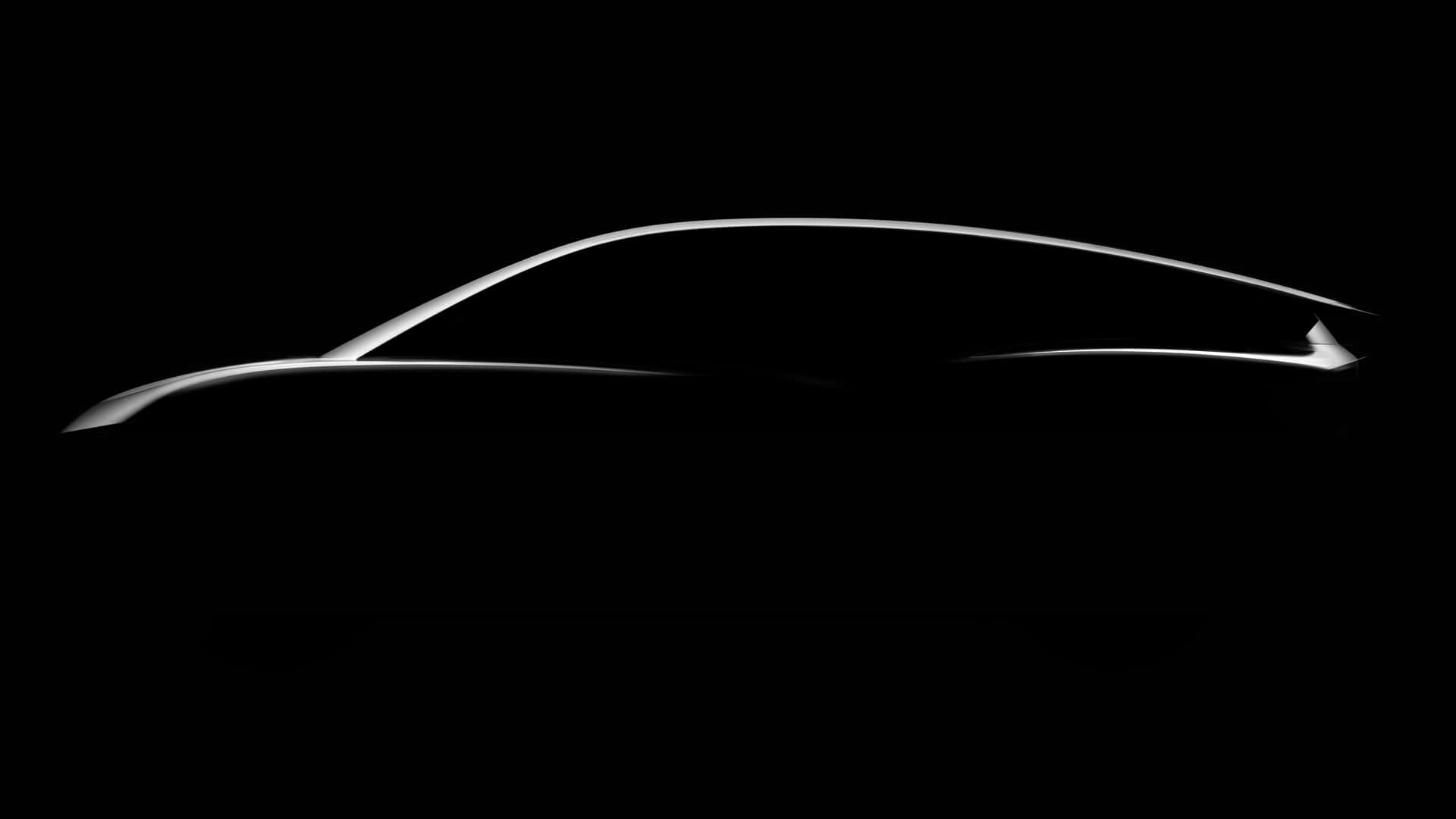
As the electric vehicle landscape evolves, Lucid Motors is poised to challenge Rivian with its upcoming Cosmos crossover, potentially holding significant technological advantages over the Rivian R2. While both vehicles aim to capture a share of the burgeoning midsize electric SUV market, Lucid’s strategy appears focused on delivering superior charging speeds and enhanced efficiency.
Technological Edge in Charging
A key differentiator for the Lucid Cosmos will be its 800-volt battery architecture. This advanced system enables the vehicle to achieve an impressive charging rate, adding approximately 200 miles of range in just 14 minutes. This capability positions the Cosmos among the fastest-charging EVs available, rivaling even Lucid’s own Gravity model.

The 800-volt architecture allows for higher charging speeds by requiring less current, a crucial factor for rapid charging sessions on the go. This is a notable contrast to the Rivian R2, which utilizes a 450-volt architecture. Rivian has opted for a nickel-based battery chemistry prioritizing energy density and cost-effectiveness over peak charging performance.
While the Rivian R2 offers a respectable 10-80% charge time of 29 minutes and can add around 150 miles of range in about 15 minutes, the Cosmos is projected to offer a more substantial range addition in a shorter timeframe. This difference could translate into a significant advantage for Lucid drivers during longer road trips, minimizing time spent at charging stations.
Superior Efficiency on the Horizon
Beyond charging, the Lucid Cosmos is also engineered for exceptional efficiency. Lucid projects substantial gains through a combination of aerodynamic design and advanced motor technology. The Cosmos boasts a drag coefficient of just 0.22, making it considerably more aerodynamically streamlined than the R2’s more utilitarian design.

Furthermore, Lucid’s new Atlas drive unit represents a leap forward in motor engineering. This unit features 30% fewer components and is 23% lighter than the motors found in the Gravity. Crucially, it offers 40% greater power density compared to the drive unit in the Tesla Model Y, a benchmark for performance in the segment.
These advancements contribute to Lucid’s projection of up to 4.5 miles per kilowatt-hour (kWh) of efficiency for the Cosmos. For context, most current EVs typically achieve between 2.5 and 4.0 miles per kWh, with variations dependent on driving conditions and user habits.
The impact of this efficiency is significant for battery management and range. Lucid estimates that approximately 69 kWh of battery capacity will be sufficient to deliver 300 miles of range. At a projected 4.5 miles per kWh, a 69 kWh pack would theoretically offer around 310 miles of range.
In comparison, the Rivian R2 Standard is expected to achieve 345 miles of range from an 87.9 kWh battery. This suggests an efficiency rating of roughly 3.9 miles per kWh on paper, indicating a potential gap between the two vehicles.
Consumer Benefits of Efficiency
The emphasis on efficiency offers tangible benefits for consumers. Higher miles per kWh means less energy is consumed to travel the same distance, which can contribute to faster charging as a smaller battery pack can theoretically be replenished more quickly. It also translates to lower running costs for the owner.
From a business perspective, Lucid’s focus on efficiency aligns with its strategy to optimize production costs. By achieving greater range and performance with potentially smaller, lighter, and less complex components, Lucid can manage expenses related to expensive battery materials, potentially improving profit margins without compromising vehicle capability.
Market Positioning and Consumer Choice
While the Lucid Cosmos aims for technological superiority, the Rivian R2 holds its own with a distinct design philosophy. The R2’s retro-modern aesthetic, classic SUV profile, and advertised off-road capabilities provide it with a unique market appeal.
The Rivian R2 also has a timing advantage, having entered production while the Cosmos is still slated for a production start by the end of the year. However, with Lucid having revealed more technical specifications for the Cosmos platform, the stage is set for a compelling comparison once both vehicles are available to consumers.
Ultimately, the increased competition and advanced offerings from both Lucid and Rivian in the midsize crossover segment are beneficial for consumers. The availability of more high-tech and efficient electric vehicle options at competitive price points, potentially starting around $50,000 for the Cosmos, provides greater choice and drives innovation within the EV industry.