
Key Takeaways:
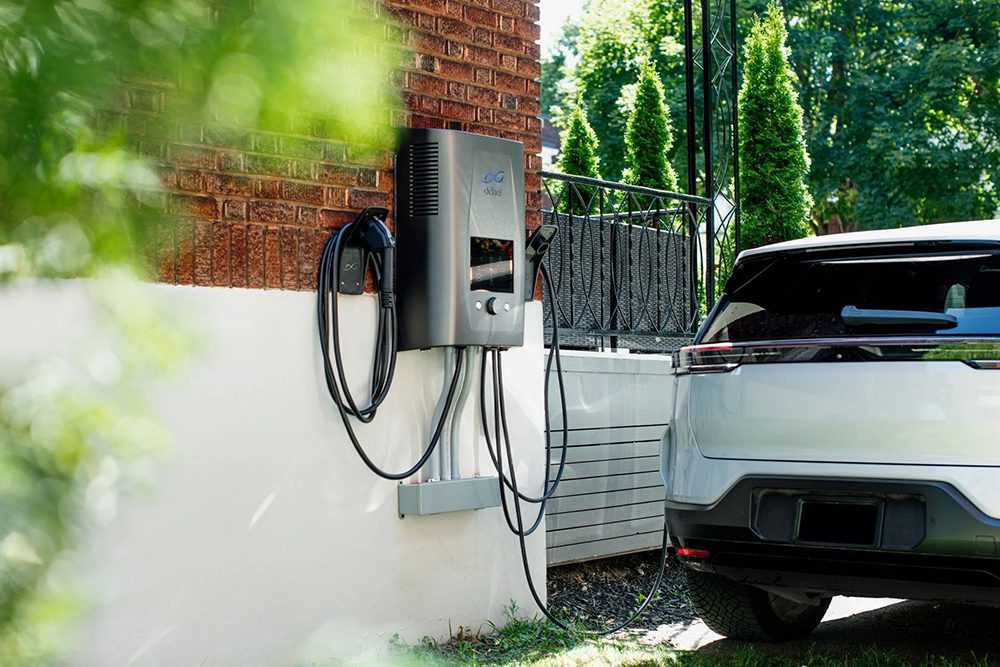
- Massachusetts is pioneering a V2X (Vehicle-to-Everything) pilot program, offering eligible EV owners a complimentary dcbel Ara Home Energy Station, including installation.
- The initiative enables participants to power their homes and electric vehicles with solar energy, utilize vehicle-to-home (V2H) technology for backup power during outages, and engage in smart charging practices.
- Eligibility is open to Massachusetts homeowners with specific 2018-2025 Nissan Leaf, 2025 Polestar 3, or 2025 Volvo EX90 models, who do not currently have solar or battery storage systems.
- Applications are being accepted until September 30, 2026, or until program funds are fully allocated, underscoring a limited-time opportunity for significant home energy upgrades.
- The Massachusetts Clean Energy Center (MassCEC) is spearheading this demonstration to collect crucial data on V2X system performance, its environmental and financial impacts, and user behavior, informing future statewide clean energy policies.
Pioneering Energy Solutions: Massachusetts Debuts Free V2X Home Energy Pilot
Massachusetts is set to revolutionize residential energy management with the launch of an innovative Vehicle-to-Everything (V2X) pilot program. This groundbreaking initiative offers eligible electric vehicle (EV) drivers a complimentary “smart energy station,” designed to transform how homes and EVs interact with the power grid.

The program promises to empower participating Massachusetts homeowners with the ability to integrate solar power, utilize their EVs as backup power sources during outages through vehicle-to-home (V2H) technology, and optimize their energy consumption with smart charging capabilities.
A Collaborative Leap Towards Energy Independence
The ambitious V2X pilot is a collaborative effort spearheaded by dcbel, in partnership with TMH, Resource Innovation, and B2Q. These entities are working alongside the Massachusetts Clean Energy Center (MassCEC), which is providing crucial subsidies to cover the cost of dcbel’s Ara Home Energy Station and its installation for qualified homeowners.
This partnership underscores a shared commitment to advancing sustainable energy solutions and enhancing grid resilience across the Commonwealth. The integration of cutting-edge technology with state-backed incentives creates a unique opportunity for residents to play an active role in the future of energy.

Unlocking Home Energy Potential with dcbel Ara
At the heart of the Massachusetts V2X pilot lies the dcbel Ara Home Energy Station, an advanced solar and home battery solution. When paired with a bidirectional-capable EV, the Ara system facilitates smart charging during off-peak hours, significantly reducing electricity costs for homeowners.
Beyond cost savings, the system offers a critical layer of security: the ability to act as a robust backup power source. In the event of a grid outage, the bidirectional EV can seamlessly supply power to the home, ensuring essential appliances remain operational and comfort is maintained.
Eligibility Criteria: Who Can Benefit?
To participate in this transformative program, Massachusetts homeowners must meet specific criteria. Prospective applicants need to own or lease one of the following bidirectional-capable EV models:
- A 2018-2025 Nissan Leaf
- A 2025 Polestar 3
- A 2025 Volvo EX90
Additionally, eligible homeowners must not currently have existing solar panels or battery storage systems installed at their residences. This ensures the program targets new adopters, maximizing its impact on expanding renewable energy integration.
The application window for this limited-time opportunity is open through September 30, 2026, or until all program funds have been utilized, whichever comes first. Interested homeowners are encouraged to apply promptly to secure their participation in this innovative energy solution.
Driving Grid Modernization: EVs as Vital Resources
The V2X Demonstration Program is meticulously designed to explore and quantify the potential of electric vehicles as dynamic grid resources. MassCEC’s role extends beyond subsidization; the agency will be diligently gathering real-world data on several critical aspects.
This data collection will encompass system performance, the environmental and financial impact of V2X integration, and detailed user behavior patterns. The insights gained from this pilot will be instrumental in shaping future V2X initiatives and broader clean energy policies throughout Massachusetts.
By treating EVs not just as transportation but as mobile energy storage units, the state aims to enhance grid stability, reduce peak demand, and accelerate its transition towards a more sustainable and resilient energy infrastructure.
Strengthening Energy Independence at Home
While the broader implications for the grid are substantial, the immediate benefits for individual homeowners are equally compelling. As Duc Duy Tran, Sales Lead at dcbel, articulated, “V2X is often discussed as a grid technology, but for homeowners, its real power begins at home.”
Tran emphasized how the Ara station fundamentally changes the homeowner’s relationship with energy. “Ara helps transform a bidirectional EV into a central part of the home’s energy mix, giving families a smarter way to manage power, prepare for outages, and increase their energy independence.” This sentiment highlights the dual advantage of V2X technology: contributing to statewide energy goals while simultaneously empowering individual households.
The Future of Home Energy in Massachusetts
This V2X pilot represents a significant step forward in Massachusetts’ commitment to clean energy and smart grid development. By offering tangible benefits to homeowners, the program seeks to accelerate the adoption of bidirectional EV technology and demonstrate its profound impact on both personal energy management and public utility infrastructure.
The data collected will provide valuable insights into the operational efficiencies and economic advantages of integrating EVs into home energy systems, paving the way for wider deployment and more robust clean energy policies in the years to come. Massachusetts is positioning itself at the forefront of this energy revolution, ensuring a more resilient, sustainable, and energy-independent future for its residents.
Frequently Asked Questions (FAQ)
What is the Massachusetts V2X Pilot Program?
The Massachusetts V2X Pilot Program is an initiative offering eligible EV owners a free dcbel Ara Home Energy Station, including installation. It aims to integrate electric vehicles with home energy systems, enabling bidirectional power flow for solar energy use, backup power during outages, and smart charging.
What does V2X stand for, and how does it benefit homeowners?
V2X stands for Vehicle-to-Everything. For homeowners, this primarily means Vehicle-to-Home (V2H), allowing an EV to power a residence. Benefits include energy independence, backup power during outages, optimal use of solar energy, and reduced electricity costs through smart charging during off-peak hours.
Who is eligible to apply for the free Home Energy Station?
Massachusetts homeowners are eligible if they own or lease a 2018-2025 Nissan Leaf, a 2025 Polestar 3, or a 2025 Volvo EX90. Crucially, applicants must not currently have any solar or battery storage systems installed at their homes to qualify for the program.
What is the dcbel Ara Home Energy Station?
The dcbel Ara Home Energy Station is a comprehensive smart energy solution that integrates solar power and home battery storage. When combined with a bidirectional EV, it manages energy flow, facilitates smart charging, and provides critical backup power to the home, optimizing energy use and resilience.
What is the application deadline for the V2X pilot program?
The application period for the Massachusetts V2X pilot program is open until September 30, 2026. However, interested homeowners should note that applications will close earlier if program funds are exhausted before this date. Prompt application is recommended due to limited availability.
What data will MassCEC collect from this pilot?
MassCEC will collect critical real-world data on system performance, the environmental impact of V2X technologies, and the financial benefits for participants. They will also analyze user behavior to understand how homeowners interact with these advanced energy systems, informing future clean energy strategies and policies.
Why is this pilot important for Massachusetts’ energy future?
This pilot is vital for Massachusetts as it explores how EVs can serve as crucial grid resources, enhancing overall grid stability and resilience. It supports the state’s clean energy goals by promoting renewable energy integration and demonstrating innovative solutions for a sustainable and energy-independent future.