
Key Takeaways
- Maxion Structural Components and Novelis have jointly developed Maxion InVolt, a new aluminum battery housing for electric commercial vehicles.
- The InVolt housing, stamped from rolled aluminum using a novel alloy, is approximately 35% lighter than traditional extruded aluminum housings.
- This weight reduction is critical for electric buses and trucks, improving range, payload capacity, and overall operational efficiency.
- The design is cost-effective, allows for easier maintenance, and offers superior impact absorption for enhanced safety.
- Maxion InVolt is adaptable to various vehicle sizes, from light to heavy commercial vehicles, targeting global markets.
- The use of recyclable aluminum contributes significantly to reduced greenhouse gas emissions, aligning with sustainable mobility goals.
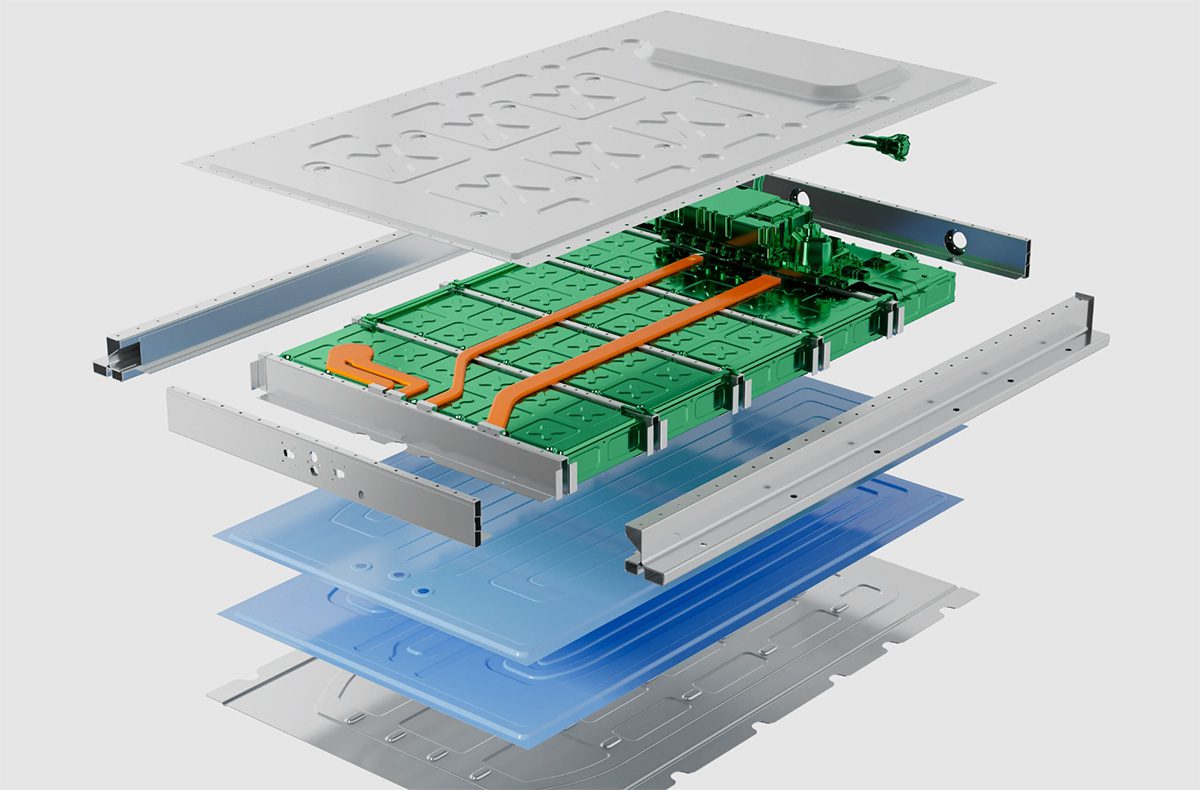
In a significant advancement for the electric commercial vehicle sector, Maxion Structural Components and Novelis have officially unveiled Maxion InVolt, an innovative battery housing designed to address the critical challenges of weight and efficiency in battery-electric buses and trucks. This new solution leverages a unique stamped, rolled aluminum design, promising substantial benefits for manufacturers and fleet operators globally.
The collaborative effort between Maxion, a leading global manufacturer of structural components, and Novelis, a pioneer in aluminum rolled products, has resulted in a product that sets a new benchmark for lightweighting in electric vehicle (EV) infrastructure. The Maxion InVolt aluminum battery housing represents a strategic move towards more sustainable and performant commercial transportation.

Revolutionizing Battery Enclosures with Advanced Aluminum
The core innovation of Maxion InVolt lies in its manufacturing process and material composition. The battery housing is precisely stamped from rolled aluminum, utilizing a new alloy specifically developed for this demanding application. This approach stands in contrast to existing solutions, primarily those constructed from extruded aluminum.
Engineers behind the Maxion InVolt claim a remarkable achievement: the new housing is approximately 35% lighter than an extruded aluminum housing built to the exact same technical specifications and performance requirements. This significant weight reduction is a game-changer for the heavy-duty EV segment, where every kilogram saved directly translates into enhanced vehicle performance and operational economy.
Addressing the Critical Weight Challenge in Electric Vehicles
For battery-electric buses and trucks, weight is not merely a design consideration but a central constraint with far-reaching implications. The sheer mass of battery packs required to achieve adequate range often limits a commercial vehicle’s payload capacity, affecting its commercial viability. Excessive weight also places greater strain on vehicle components, such as tires and suspension, and contributes to increased energy consumption.

The adoption of a lighter Maxion InVolt aluminum battery housing directly tackles these issues. By reducing the overall vehicle weight, manufacturers can potentially increase battery capacity without exceeding gross vehicle weight limits, thereby extending driving range. Alternatively, a lighter housing can allow for greater payload capacity, making electric commercial vehicles more competitive with their internal combustion engine counterparts.
Advantages of Stamped Aluminum Manufacturing
Beyond its significant weight advantages, the stamped aluminum approach employed for the Maxion InVolt brings several other benefits to the table, particularly in manufacturing and maintenance. While stamped aluminum is already a widely adopted technology across the broader automotive industry for various components, its application in commercial EV battery housings offers specific advantages.
Maxion emphasizes that, compared with current manufacturing processes often used for battery housings, the stamped method is more cost-effective. This can lead to lower production costs for vehicle manufacturers, potentially making electric commercial vehicles more accessible and affordable. Furthermore, the design inherently allows for easier access to internal components for maintenance, a critical factor for fleet operators looking to minimize vehicle downtime and optimize service costs.
Enhancing Safety and Performance with Novelis Aluminum Expertise
Novelis, leveraging its extensive raw-material expertise, played a crucial role in developing the specialized aluminum alloy for Maxion InVolt. The inherent properties of aluminum—specifically its combination of low weight and superior impact absorption capabilities—make it an ideal material for the safety and performance demands of electric commercial vehicles. In the event of an impact, the aluminum housing can effectively absorb and dissipate kinetic energy, helping to protect the integrity of the crucial battery cells housed within.
“With over 40 years of experience in the automotive sector, Novelis is focused on co-creating innovative and customized solutions to meet the demand for more sustainable mobility,” stated Daniele Albagli, Vice President of Sales for Novelis South America. This long-standing expertise underscores the company’s commitment to advancing material science for the automotive industry, particularly in the rapidly evolving EV landscape.
Commitment to Sustainability Through Recyclability
A cornerstone of the Maxion InVolt’s appeal is its environmental credentials. Aluminum is celebrated for its unparalleled recyclability, a property that is increasingly vital in the pursuit of sustainable mobility solutions. Unlike many materials, aluminum can be repeatedly recycled without any loss of its intrinsic properties, maintaining its strength, durability, and performance characteristics through countless cycles.
Novelis highlights the profound environmental benefits of this recyclability, noting that it can reduce greenhouse gas emissions by up to 95% compared to producing primary aluminum from raw bauxite ore. This substantial reduction in carbon footprint aligns perfectly with the overarching goal of electric vehicles to decarbonize transportation and contributes significantly to the circular economy principles that are gaining traction in industrial manufacturing worldwide.
Global Market Reach and Strategic Vision
The Maxion InVolt aluminum battery housing has been designed with global markets in mind and engineered for versatility. Its adaptable design means it can be tailored to suit a wide spectrum of electric commercial vehicles, ranging from light-duty vans to heavy-duty trucks and passenger buses. This flexibility positions Maxion InVolt as a scalable solution for a diverse and rapidly expanding EV industry.
Marco Tulio Ricci, Global Director of Innovation and Engineering at Maxion Structural Components, emphasized the strategic importance of this development. “The development of this solution represents a crucial step in our strategy to reduce the weight of electric commercial vehicles and, consequently, contribute to reducing CO₂ emissions without compromising vehicle load capacity,” Ricci commented. His statement underscores the dual focus on environmental sustainability and practical operational benefits for commercial vehicle operators.
The collaboration between Maxion and Novelis on the Maxion InVolt aluminum battery housing is a testament to the ongoing innovation driving the electric commercial vehicle segment. By tackling the fundamental challenge of weight with an intelligent, sustainable, and cost-effective design, this partnership paves the way for a more efficient, environmentally friendly, and commercially viable future for electric transportation.
Frequently Asked Questions (FAQ)
What is Maxion InVolt?
Maxion InVolt is a newly developed lightweight battery housing for electric commercial vehicles, including buses and trucks. It is a joint innovation by Maxion Structural Components and Novelis, aiming to improve EV efficiency and sustainability.
How much lighter is Maxion InVolt compared to existing solutions?
The Maxion InVolt aluminum battery housing is approximately 35% lighter than a traditional extruded aluminum housing built to the same technical specifications. This significant weight reduction enhances vehicle performance.
What material is used for the Maxion InVolt housing?
The Maxion InVolt housing is stamped from rolled aluminum, utilizing a new, specially formulated alloy. This material choice offers an optimal balance of low weight, strength, and impact absorption properties for battery protection.
Why is lightweighting important for electric commercial vehicles?
Reducing weight in electric commercial vehicles is crucial because it directly impacts range, allows for greater payload capacity, improves energy efficiency, and reduces wear on components and infrastructure. It helps overcome a key constraint for EV adoption.
What are the benefits of using a stamped aluminum approach?
The stamped aluminum approach for Maxion InVolt is more cost-effective in manufacturing processes and allows for easier access to internal components for maintenance. These factors contribute to lower operational costs and reduced downtime for fleet operators.
How does Maxion InVolt contribute to sustainability?
Maxion InVolt uses aluminum, a material that is repeatedly recyclable without property loss. This recyclability can reduce greenhouse gas emissions by up to 95% compared to primary production, aligning with global sustainable mobility goals and circular economy principles.
Which types of vehicles can use the Maxion InVolt housing?
The Maxion InVolt battery housing features an adaptable design suitable for a wide range of electric commercial vehicles. This includes light commercial vehicles, heavy-duty trucks, and electric buses, making it a versatile solution for the global market.