
Key Takeaways (TL;DR)
- Santa Monica’s Big Blue Bus is embarking on a major electric bus fleet transition, targeting a fully zero-emission operation by 2032.
- The initiative involves a substantial $56-million investment in cutting-edge electric transit infrastructure.
- EV charging solutions giant ChargePoint and intelligent power management company Eaton are partnering to provide the necessary infrastructure.
- ChargePoint will deploy 130 Express Plus DC fast charging ports and fleet software, while Eaton will supply critical electrical infrastructure and engineering expertise.
- This project is one of ChargePoint’s largest transit deployments, demonstrating scalable, high-power charging for complex large bus fleets.
- The transition aims to deliver significant benefits, including healthier air, improved rider experience, and a more efficient operational environment for the city.
Santa Monica Forges Ahead with Ambitious Zero-Emission Bus Goal
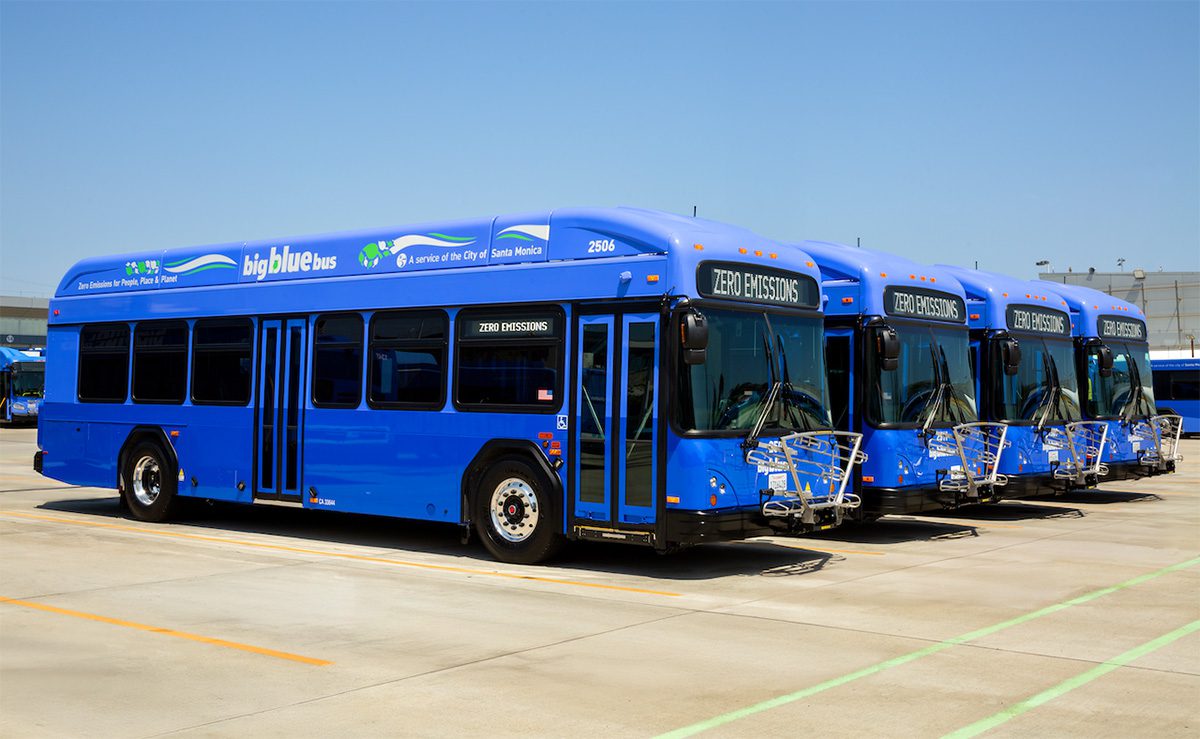
Santa Monica, a beacon of progressive urban planning, is taking a significant stride towards environmental sustainability with a comprehensive initiative to electrify its public transit system. The Santa Monica Department of Transportation, through its Big Blue Bus agency, has announced a strategic partnership with industry leaders ChargePoint and Eaton to power its ambitious electric bus fleet transition. This transformative project is designed to culminate in a fully zero-emission fleet by 2032, setting a new benchmark for sustainable urban mobility in California.

This monumental shift represents a crucial component of Santa Monica’s broader environmental commitments. The city aims to not only reduce its carbon footprint but also to enhance the quality of life for its residents through cleaner air and quieter streets. The collaboration with ChargePoint, a leading EV charging giant, and Eaton, an intelligent power management company, underscores the complexity and multi-faceted nature of electrifying a major public transit operation.
A Strategic Investment in Sustainable Transit Infrastructure
The transition to an all-electric bus fleet is backed by a substantial $56-million investment from the City of Santa Monica. This funding is specifically earmarked for the development of robust electric transit fleet infrastructure, highlighting the city’s unwavering dedication to its decarbonization goals. The scale of this financial commitment reflects the comprehensive planning and technological integration required for such an undertaking, extending far beyond simply procuring electric vehicles.
This investment covers the entire spectrum of infrastructure needs, from advanced charging stations to the underlying electrical grid enhancements necessary to support high-power charging demands. It’s a holistic approach to building a sustainable public transportation ecosystem that can serve the city and the greater Westside region of Los Angeles County for decades to come. The move aligns with global trends towards greener urban environments and provides a tangible example of how cities can lead in combating climate change.

ChargePoint’s Advanced DC Fast Charging Solutions at the Core
Central to Santa Monica’s electric bus fleet transition is ChargePoint’s state-of-the-art charging technology. The company will be deploying 130 DC fast charging ports, exclusively featuring its high-performance Express Plus line of equipment. This selection is critical for a public transit operation, where buses require rapid recharging capabilities to maintain rigorous daily schedules and minimize downtime.
DC fast charging, or Level 3 charging, delivers power directly to a vehicle’s battery, significantly reducing charging times compared to AC alternatives. For a large fleet like Big Blue Bus, the ability to quickly replenish battery reserves is paramount for operational efficiency and service continuity. Furthermore, ChargePoint will integrate its sophisticated fleet software, providing Big Blue Bus with comprehensive tools for managing charging schedules, monitoring energy consumption, and optimizing overall fleet operations.
Scalability and Operational Efficiency
Rick Wilmer, CEO at ChargePoint, emphasized the significance of this deployment, stating, “This project represents one of ChargePoint’s largest transit deployments to date, showcasing how our scalable, high-power charging solutions can meet the complex needs of large bus fleets and help agencies transition to fully electric operations while delivering a lower total cost of ownership.” This statement highlights the dual benefits of advanced technology and long-term economic advantages, making the electric bus fleet transition both environmentally sound and fiscally responsible.
The scalability of ChargePoint’s solutions ensures that the infrastructure can grow and adapt as the fleet expands and energy demands evolve. The promise of a lower total cost of ownership stems from reduced fuel and maintenance expenses associated with electric vehicles, making the initial investment a strategic decision for sustainable financial management in public transit.
Eaton’s Expertise in Electrical Infrastructure and Energy Management
While ChargePoint provides the charging points, Eaton plays an equally crucial role by delivering the robust electrical infrastructure necessary to power these high-demand systems. Eaton’s contribution includes essential components such as medium-voltage switchgear, switchboards, and panelboards. These elements are the backbone of any large-scale electrical deployment, ensuring safe, reliable, and efficient power distribution to the charging stations.
Beyond hardware, Eaton is also providing critical engineering expertise, which is vital for designing and implementing a complex electrical system capable of handling the substantial power requirements of 130 DC fast chargers simultaneously. Their intelligent power management solutions are key to optimizing energy use, balancing grid load, and ensuring the seamless integration of the new infrastructure with Santa Monica’s existing electrical network.
Maximizing Investments and Grid Value
Paul Ryan, Vice President and General Manager, Energy Transition at Eaton, articulated the company’s commitment, stating, “Whether you’re electrifying a fleet or a personal vehicle, Eaton is making electrification easier, faster and more flexible—helping customers maximize infrastructure investments, optimize energy use and unlock greater value from the grid.” This perspective underscores Eaton’s role in making the daunting task of fleet electrification more manageable and economically viable.
The focus on maximizing infrastructure investments means ensuring the system is durable, expandable, and resilient. Optimizing energy use is crucial for managing operational costs and minimizing strain on the electrical grid. By unlocking greater value from the grid, Eaton helps integrate renewable energy sources and manage demand-side response, contributing to a smarter, more sustainable energy future for Santa Monica.
Transformative Impact on Community and Operations
The electric bus fleet transition in Santa Monica is poised to deliver a multitude of benefits, extending beyond mere carbon reduction. Anuj Gupta, Director of Transportation for the City of Santa Monica, highlighted these broader impacts: “By investing in clean, electric transit, we’re creating healthier air for our communities, a quieter and more comfortable experience for riders, and a safer, more efficient environment for our workforce.”
Healthier air directly translates to improved public health outcomes, especially in densely populated urban areas often plagued by vehicle emissions. A quieter and more comfortable experience for riders can enhance public transportation’s appeal, potentially increasing ridership and reducing private vehicle reliance. For the workforce, electric buses offer a cleaner, quieter operational environment, contributing to improved safety and efficiency for bus drivers and maintenance personnel alike. This comprehensive positive impact underscores the strategic foresight behind Santa Monica’s significant investment.
A Blueprint for Future Urban Electrification
The partnership between Santa Monica, ChargePoint, and Eaton for this electric bus fleet transition is more than just a local project; it serves as a powerful case study and a potential blueprint for other cities grappling with the challenges and opportunities of urban electrification. The comprehensive nature of the $56-million investment, coupled with the integrated solutions from two industry leaders, demonstrates a replicable model for large-scale public transit conversions.
As cities worldwide strive to meet ambitious climate targets and enhance urban living, the experiences and lessons learned from Santa Monica’s journey will be invaluable. The project showcases how strategic planning, significant investment, and expert collaboration can overcome the complexities of transitioning from fossil fuel-dependent transportation to a clean, electric future. This forward-thinking initiative solidifies Santa Monica’s position at the vanguard of sustainable municipal development.
Frequently Asked Questions (FAQ)
What is the primary goal of Santa Monica’s new initiative?
The primary goal is for the Santa Monica Department of Transportation, through its Big Blue Bus agency, to operate a fully zero-emission electric bus fleet by 2032. This initiative aims to significantly reduce the city’s carbon footprint and enhance environmental quality.
What is the total investment in Santa Monica’s electric transit infrastructure?
The City of Santa Monica is making a substantial $56-million investment in electric transit fleet infrastructure. This funding covers the development and implementation of advanced charging stations and associated electrical upgrades.
Which companies are partnering with Santa Monica for this transition?
EV charging giant ChargePoint and intelligent power management company Eaton are partnering with the City of Santa Monica. They are providing the necessary EV charging solutions, electrical infrastructure, and engineering expertise for the project.
How many charging ports will be deployed, and what type are they?
ChargePoint plans to deploy 130 DC fast charging ports. These ports will exclusively feature ChargePoint’s high-power Express Plus line of equipment, designed for the rigorous demands of large bus fleets requiring rapid recharging.
What role does Eaton play in the electric bus fleet transition?
Eaton is providing crucial electrical infrastructure, including medium-voltage switchgear, switchboards, and panelboards. Additionally, Eaton offers engineering expertise and energy management solutions to ensure efficient power distribution and grid integration for the charging network.
What are the expected benefits for the community and riders?
The electric bus fleet transition is expected to create healthier air for communities, offer a quieter and more comfortable experience for riders, and provide a safer, more efficient environment for the city’s transportation workforce, enhancing overall urban living quality.
Why is this project considered significant by ChargePoint’s CEO?
ChargePoint CEO Rick Wilmer notes that this project is one of the company’s largest transit deployments to date. It showcases their scalable, high-power charging solutions’ ability to meet the complex needs of large bus fleets and deliver a lower total cost of ownership.
How will Eaton’s involvement benefit infrastructure investments and energy use?
Eaton’s solutions aim to help Santa Monica maximize infrastructure investments by making electrification easier and more flexible. They also focus on optimizing energy use and unlocking greater value from the grid, ensuring long-term sustainability and efficiency.