
Key Takeaways
- Nivalis Energy Systems has acquired European firm SolarEdge e-Mobility to accelerate the electrification of Transport Refrigeration Units (TRUs).
- The acquisition grants Nivalis access to SolarEdge’s advanced engineering, R&D, and a third-generation platform integrating battery storage, rooftop solar PV, and regenerative e-axle technology.
- This strategic move enables Nivalis to expand its presence into the European market, leveraging SolarEdge’s established network.
- Electrified TRUs (eTRUs) are emerging as a commercially and operationally viable alternative to traditional diesel units, offering significant environmental and cost benefits.
- Government incentives in parts of North America can cover up to 100% of the cost for electrified refrigeration systems, fostering rapid adoption.
In a significant move poised to reshape the landscape of sustainable logistics, Nivalis Energy Systems, a leader in electrified refrigerated transport solutions, has announced its acquisition of SolarEdge e-Mobility. This strategic integration is set to accelerate the global shift away from diesel-powered Transport Refrigeration Units (TRUs) towards more environmentally friendly and economically efficient electrified solutions.
The acquisition, publicly announced on May 1, 2026, underscores a growing industry commitment to decarbonising the cold chain. By combining their respective strengths, Nivalis aims to solidify its position as a frontrunner in providing comprehensive and innovative electrified transport refrigeration units (eTRUs) across North America and, crucially, expanding its footprint into the demanding European market.

The Imperative for Cold Chain Electrification
Transport Refrigeration Units (TRUs) play a pivotal role in preserving perishable goods, making them indispensable to the global cold chain. Historically, these units have been powered by inefficient diesel generators, contributing significantly to air pollution, noise, and operational costs.
The transition to electrified transport refrigeration units (eTRUs) represents an excellent use case for electrification, primarily due to the inherent operational environment. Refrigerated trailers frequently operate within logistics hubs, distribution centres, and loading docks where shore power is often readily available. This consistent access to electrical grids simplifies the charging infrastructure requirements, making the adoption of eTRUs a more straightforward and practical proposition for fleets.
Beyond the environmental benefits of zero tailpipe emissions, electrified TRUs offer substantial operational advantages. They operate with significantly reduced noise levels, are less prone to mechanical failures associated with complex diesel engines, and offer predictable fuel costs, often lower than fluctuating diesel prices. The broader industry trend towards sustainable transport solutions, including the detailed analysis of electrified trailers in dedicated publications like the July-September 2025 issue, further highlights this undeniable momentum.

Nivalis’s Pioneering Role in Electrified Solutions
Nivalis Energy Systems has been at the forefront of developing sophisticated electrified refrigerated transport solutions. Their core mission revolves around enabling logistics fleets to seamlessly transition from traditional diesel-powered TRUs to advanced electric alternatives, aligning with global efforts to reduce carbon footprints and enhance operational efficiency.
The company’s solutions are engineered with versatility in mind, catering to a diverse range of fleet requirements. Whether it’s retrofitting existing diesel trailers with electric systems or integrating into newly manufactured units, Nivalis products are designed to support various trailer sizes and accommodate complex operational demands, ensuring a broad applicability across the cold chain sector.
Central to Nivalis’s offering is its commercially available TRU-Power solution. This innovative system provides electrically powered refrigeration through a robust, integrated battery system. The architecture is meticulously designed to allow refrigerated trailers to operate for extended periods, reducing their dependence on frequent grid charging and enhancing operational flexibility, particularly during long-haul routes or extended stops.
The efficacy and reliability of Nivalis’s technology are not theoretical. The company initiated successful deployments of its electrified transport refrigeration units across North American grocery and logistics operations starting in 2023. These real-world applications have provided invaluable data, demonstrating the operational viability and commercial benefits of their eTRU systems in demanding environments.
Strategic Acquisition: Bolstering Innovation and Market Reach
The acquisition of SolarEdge e-Mobility marks a pivotal moment for Nivalis Energy Systems. SolarEdge e-Mobility, known as a European manufacturer specializing in electrified trailers, brings a wealth of expertise and cutting-edge technology to the Nivalis portfolio.
This strategic integration immediately provides Nivalis with enhanced access to SolarEdge’s formidable engineering and research and development (R&D) capabilities. This infusion of talent and technological know-how is expected to accelerate product development and innovation within the combined entity, fostering advancements in electrified transport refrigeration units.
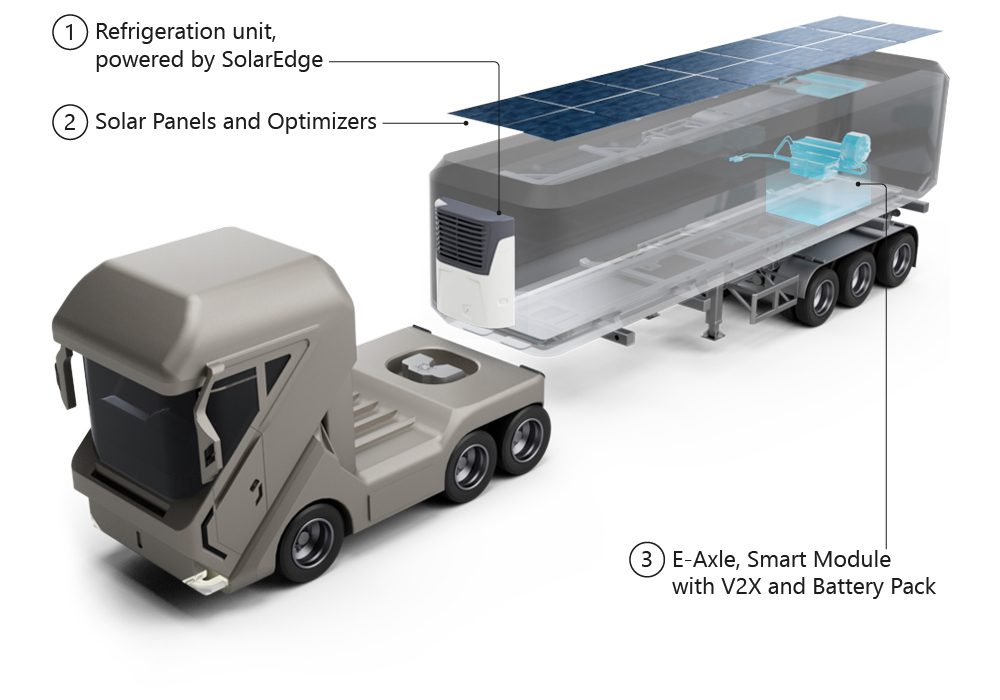
A significant asset gained through this acquisition is SolarEdge’s new third-generation platform. This advanced system represents a synergistic blend of critical technologies: state-of-the-art battery storage for sustained power delivery, rooftop solar PV panels for auxiliary charging and enhanced energy independence, and regenerative e-axle technology, which recaptures kinetic energy during braking and deceleration to recharge the battery system. This holistic approach dramatically improves the efficiency and operational range of electrified trailers.
Beyond technological advantages, the acquisition serves as a crucial strategic gateway for Nivalis. By integrating SolarEdge e-Mobility, Nivalis gains immediate entry into the lucrative and expanding European market. SolarEdge’s established market presence and extensive service network across Europe provide Nivalis with a ready-made infrastructure, enabling rapid expansion and market penetration without the customary challenges of building operations from the ground up.
Addressing the Challenges of Traditional Refrigerated Transport
Sam Plunkett, CEO of Nivalis Energy Systems, articulated the core challenges and the evolving opportunity in the sector. He stated, “Refrigerated transport has remained a major diesel-dependent element of the cold chain. Diesel-powered refrigeration systems are expensive to maintain, expensive to operate and increasingly difficult to justify.”
Mr. Plunkett’s remarks highlight the long-standing reliance on diesel, which has traditionally powered the critical cold chain logistics industry. This dependence has come with a multitude of drawbacks, including significant environmental impact through greenhouse gas emissions and particulate matter, rising fuel costs, and complex, high-cost maintenance schedules associated with diesel engines. Regulatory pressures for emission reductions further complicate the justification for continued use of diesel-based systems.
However, the narrative is shifting rapidly. As Mr. Plunkett further emphasised, “The challenge is no longer proving that electrified refrigeration can work—it’s helping fleets understand how commercially and operationally viable these systems have now become.” This statement underscores a critical inflection point for the industry.
Technological advancements in battery systems, power electronics, and energy management, coupled with robust infrastructure development, have transitioned electrified transport refrigeration units from experimental concepts to proven, reliable, and economically attractive solutions. The focus now lies on educating fleet operators about the tangible benefits—including lower total cost of ownership, enhanced operational efficiency, reduced environmental impact, and compliance with stringent urban emission zones.
Government Incentives Accelerating Adoption
The transition to electrified transport refrigeration units is not solely driven by technological innovation and market dynamics; supportive government policies play a crucial role. Nivalis Energy Systems reports that significant government incentives are available in various parts of North America, acting as powerful catalysts for adoption.
These incentives can be substantial, with some programmes offering support for up to 100% of the cost of electrified refrigeration systems. Such comprehensive financial backing dramatically de-risks the investment for fleet operators, making the switch to eTRUs not only environmentally responsible but also an immediate and compelling financial decision.
This policy support is vital for overcoming initial capital expenditure hurdles, encouraging more fleets to invest in sustainable cold chain technologies. The combination of proven technology, clear operational benefits, and robust financial incentives creates a potent environment for the widespread adoption of electrified transport refrigeration units, paving the way for a greener, more efficient future for refrigerated transport.
Looking Ahead: A Greener Future for Logistics
The acquisition of SolarEdge e-Mobility by Nivalis Energy Systems represents a significant stride towards achieving a fully electrified cold chain. By integrating advanced engineering, innovative technologies like rooftop solar PV and regenerative e-axles, and expanding into key global markets, Nivalis is positioned to drive the industry forward.
The increasing viability of electrified transport refrigeration units, supported by robust government incentives and a clear understanding of their commercial and operational benefits, signals a transformative era for refrigerated logistics. This evolution promises not only a reduction in carbon emissions and fuel costs but also a more sustainable and efficient global cold chain for years to come.
Source: Nivalis Energy Systems
Frequently Asked Questions About Electrified Refrigerated Transport Units
What are Electrified Transport Refrigeration Units (eTRUs)?
eTRUs are refrigeration systems used in trailers to transport perishable goods, powered by electricity instead of traditional diesel engines. They typically utilise battery systems, and often integrate technologies like solar panels or regenerative braking to extend operational periods and reduce reliance on grid charging, offering a cleaner, quieter, and often more cost-effective solution for cold chain logistics.
Why is there a push for TRU electrification?
The push for TRU electrification stems from the inherent inefficiencies and environmental impact of diesel-powered units, which contribute to air pollution and high operational costs. Electrified TRUs reduce emissions, operate more quietly, have lower maintenance requirements, and can leverage existing shore power infrastructure at logistics hubs, making them an attractive sustainable alternative.
What benefits does Nivalis’s TRU-Power solution offer?
Nivalis’s TRU-Power solution provides electrically powered refrigeration via an integrated battery system. This architecture enables refrigerated trailers to operate for extended periods with minimal reliance on grid charging. It is designed for both retrofit and new trailer applications, supporting a wide range of trailer sizes and operational requirements, proven in North American deployments since 2023.
How does SolarEdge e-Mobility’s technology enhance Nivalis’s offerings?
SolarEdge e-Mobility brings advanced engineering, R&D capabilities, and a cutting-edge third-generation platform to Nivalis. This platform combines robust battery storage, efficient rooftop solar PV, and regenerative e-axle technology. These integrations significantly enhance the energy independence, operational efficiency, and overall sustainability of electrified transport refrigeration units within the Nivalis portfolio.
What are the commercial and operational advantages of eTRUs for fleets?
For fleets, eTRUs offer significant commercial and operational advantages, including reduced fuel costs, lower maintenance expenses, and compliance with increasingly stringent environmental regulations and urban emission zones. They also provide quieter operation, which can be beneficial in residential areas, and government incentives often offset initial investment costs, improving the total cost of ownership.
Are there government incentives available for adopting electrified refrigeration systems?
Yes, Nivalis reports that government incentives are available in some parts of North America. These programmes can be substantial, supporting up to 100% of the cost of electrified refrigeration systems. Such incentives are crucial for encouraging fleets to transition from diesel to electric, making the investment in sustainable cold chain solutions more financially accessible and attractive.