
Key Takeaways (TL;DR):
- Volvo Construction Equipment has deployed its A30 Electric articulated haulers for the Hemsil 3 hydroelectric power plant project in Norway.
- Seven units are being supplied to contractor LNS for the construction of a critical 20-kilometer-long tunnel.
- The zero-emission electric haulers are essential for maintaining air quality in the enclosed tunnel environment and align with Norway’s ambitious sustainability goals.
- This initiative marks a significant step in electrifying heavy construction, demonstrating operational viability and enhancing worker conditions.
- Upon completion in 2029, the Hemsil 3 plant will boost Norway’s annual energy production by approximately 110 GWh.
Norway Leads Green Transition with Electric Haulers in Hydropower Development
In a significant stride towards sustainable infrastructure development, Norway is leveraging advanced electric heavy machinery for the expansion of its renewable energy capacity. Volvo Construction Equipment (Volvo CE) has delivered several of its cutting-edge A30 Electric articulated haulers to LNS (Leonhard Nilsen & Sønner), one of Norway’s largest contractors, for a crucial hydroelectric power plant project. This deployment underscores a growing global commitment to decarbonizing the heavy construction sector, particularly in sensitive environmental contexts like deep tunnels.

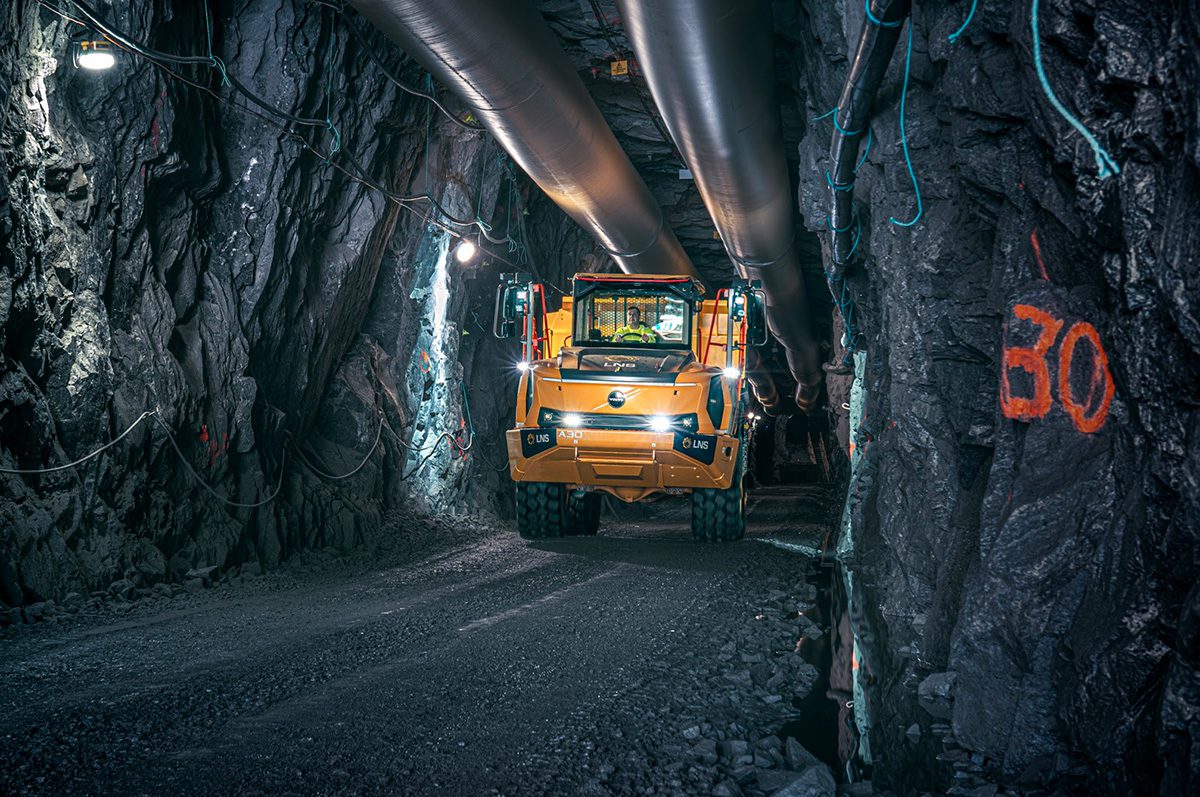
The initial phase of this groundbreaking initiative has seen four Volvo A30 Electric articulated haulers commence operations at the Hemsil 3 power plant site in Norway’s picturesque Hallingdal region. An additional three units are slated for delivery in the coming month, bringing the total fleet to seven state-of-the-art electric haulers. This comprehensive deployment highlights a forward-thinking approach by both the equipment manufacturer and the project stakeholders to integrate zero-emission solutions into large-scale engineering feats.
Hemsil 3: A Beacon of Sustainable Energy Production
The Hemsil 3 power plant project, spearheaded by Hafslund Kraft, represents a substantial investment in Norway’s clean energy future. Central to this ambitious endeavor is the construction of a challenging 20-kilometer-long tunnel. This extensive underground infrastructure is designed to enhance the efficiency and output of the hydroelectric facility, a cornerstone of Norway’s national power grid.
The project is not merely an expansion of energy capacity; it is a testament to the nation’s dedication to environmental stewardship. Hydroelectric power, a primary source of Norway’s electricity, offers a clean and renewable alternative to fossil fuels. The Hemsil 3 expansion, slated for completion by 2029, is projected to significantly increase annual energy production by approximately 110 GWh, contributing robustly to Norway’s energy security and green transition objectives.

Why Electric Haulers Are Crucial for Tunnel Construction
The decision to deploy Volvo A30 Electric articulated haulers for the subterranean work at Hemsil 3 was driven by critical operational and environmental considerations. Conventional diesel-powered heavy equipment, while powerful, produces exhaust fumes and significant noise, posing health and safety challenges in enclosed spaces like long tunnels.
The inherent zero-emission operation of electric haulers directly addresses these concerns. By eliminating exhaust gases, these machines drastically improve air quality for tunnel workers, reducing their exposure to harmful pollutants. This is particularly vital in a 20-kilometer tunnel, where ventilation can be complex and costly to implement effectively across its entire length. Moreover, the reduced noise levels from electric machinery contribute to a more comfortable and safer working environment, mitigating noise-induced fatigue and enhancing communication among crew members.
Steffen Solstrand Ludvigsen, Project Site Manager at LNS, articulated the precise fit of these machines for the demanding environment. “The project is a strong fit for this type of machine. We’ll be working in tunnels with blasting cycles, which allow time for charging between runs. That makes electric haulers particularly well suited to the work here.” This strategic alignment between project requirements and equipment capabilities optimizes operational efficiency, ensuring that the charging needs of the electric haulers are seamlessly integrated into the existing work cadence.
Operational Advantages and Enhanced Operator Experience
Beyond the critical environmental benefits, the Volvo A30 Electric articulated haulers offer distinct operational advantages. Electric powertrains typically deliver instant torque, providing smooth and responsive acceleration which can be beneficial in navigating challenging tunnel gradients and uneven terrain. The absence of a combustion engine also translates to fewer moving parts, potentially simplifying maintenance requirements and reducing downtime over the machine’s operational lifespan.
The impact on the operators themselves has been notably positive. Przemysla Wessel, an LNS operator, shared his initial experience: “It was a really special experience. It was smooth, comfortable, and easy to use—I truly enjoyed the first run. This feels like a step into the future.” Such feedback underscores the ergonomic and user-friendly design of modern electric construction equipment, which can lead to increased operator satisfaction and productivity.
Hafslund Kraft’s Vision for a Green Construction Future
The commitment to electric machinery by Hafslund Kraft reflects a broader organizational philosophy focused on environmental leadership. Lars Oust, Project Manager at Hafslund Kraft, emphasized the company’s proactive stance. “Hafslund has a strong environmental focus and takes a forward-leaning approach to electrifying construction operations on our projects. To succeed in the green transition, we need to adopt new technology and take the lead as a client, driving demand for this type of equipment. That’s why being the first in the world to use electric haulers is so important to us.”
This statement highlights Hafslund Kraft’s role not just as an energy provider but as an accelerator of green innovation within the construction industry. By actively specifying and adopting electric equipment, they are creating market demand and signaling to manufacturers and contractors that sustainable solutions are a priority, thereby fostering a broader shift across the sector.
The Broader Impact: Decarbonizing Heavy Construction
The deployment of electric haulers at the Hemsil 3 site is a microcosm of a larger global movement towards decarbonizing heavy construction. Traditionally reliant on diesel engines, the construction industry is a significant contributor to greenhouse gas emissions and local air pollution. The shift towards electric and other alternative-fuel machinery is vital for achieving climate targets and improving urban air quality.
Projects like Hemsil 3 demonstrate the practical viability of zero-emission solutions even in demanding environments. This success paves the way for wider adoption across various infrastructure projects, from road building and mining to urban development. The experience gained here will be invaluable for future deployments, providing real-world data on performance, efficiency, and maintenance requirements of electric heavy equipment.
Norway’s Leadership in Renewable Energy and Electrification
Norway has long been a global leader in renewable energy, with hydroelectric power forming the backbone of its electricity supply. The nation also boasts one of the highest penetrations of electric vehicles globally. This cultural and governmental commitment to electrification extends naturally to the industrial sector, as exemplified by the Hemsil 3 project.
The country’s regulatory framework and public incentives often favor environmentally sound practices, creating a fertile ground for the adoption of green technologies. This holistic approach, from private vehicle ownership to major infrastructure projects, positions Norway as a significant reference point for other nations striving to achieve their own sustainability goals.
Looking Ahead: The Future of Construction Equipment
As the Hemsil 3 project progresses towards its 2029 completion, it will continue to serve as a live laboratory for advanced electric construction equipment. The long-term performance data, operational insights, and environmental benefits reaped from this project will provide crucial evidence supporting the broader transition away from fossil-fuel-powered machinery.
The collaboration between Volvo CE, LNS, and Hafslund Kraft exemplifies how innovation, strategic planning, and a shared commitment to sustainability can drive meaningful change in even the most challenging industrial applications. The future of heavy construction appears increasingly electric, quieter, and cleaner, with Norway at the forefront of this transformative journey.
FAQ Section
What is the Hemsil 3 power plant project?
The Hemsil 3 power plant is a major hydroelectric expansion project in Norway’s Hallingdal region, managed by Hafslund Kraft. It involves constructing a 20-kilometer-long tunnel to increase the plant’s annual energy production by approximately 110 GWh, significantly contributing to Norway’s renewable energy capacity by its expected completion in 2029.
Why are electric haulers being used for this project?
Electric haulers, specifically the Volvo A30 Electric, are crucial for the Hemsil 3 project due to their zero-emission operation. Working in a 20-kilometer tunnel necessitates eliminating exhaust fumes to ensure worker safety and air quality. Their reduced noise levels also create a more comfortable and safer subterranean working environment.
What are the main benefits of using Volvo A30 Electric articulated haulers?
The Volvo A30 Electric articulated haulers offer several benefits: zero emissions for improved air quality in enclosed spaces, significantly reduced noise pollution, and enhanced operator comfort due to smoother operation. Their design also facilitates efficient integration with blasting cycles, allowing for convenient charging during downtime.
Who are the key companies involved in this project?
The main entities involved are Volvo Construction Equipment (supplying the electric haulers), LNS (Leonhard Nilsen & Sønner) as the primary contractor deploying the machines, and Hafslund Kraft, which owns and manages the Hemsil 3 power plant project, driving its environmental focus.
How does this project contribute to Norway’s environmental goals?
This project aligns with Norway’s strong environmental focus by expanding renewable hydroelectric energy and demonstrating the viability of electrifying heavy construction. By deploying zero-emission electric haulers, it reduces carbon footprint and local pollution during infrastructure development, setting a precedent for green construction practices nationally and internationally.
When is the Hemsil 3 project expected to be completed?
The Hemsil 3 power plant project is projected to be completed in 2029. Upon its successful commissioning, it will add a substantial 110 GWh to Norway’s annual clean energy production, reinforcing the nation’s leadership in sustainable energy development and green technology adoption within the heavy construction sector.