
Key Takeaways:
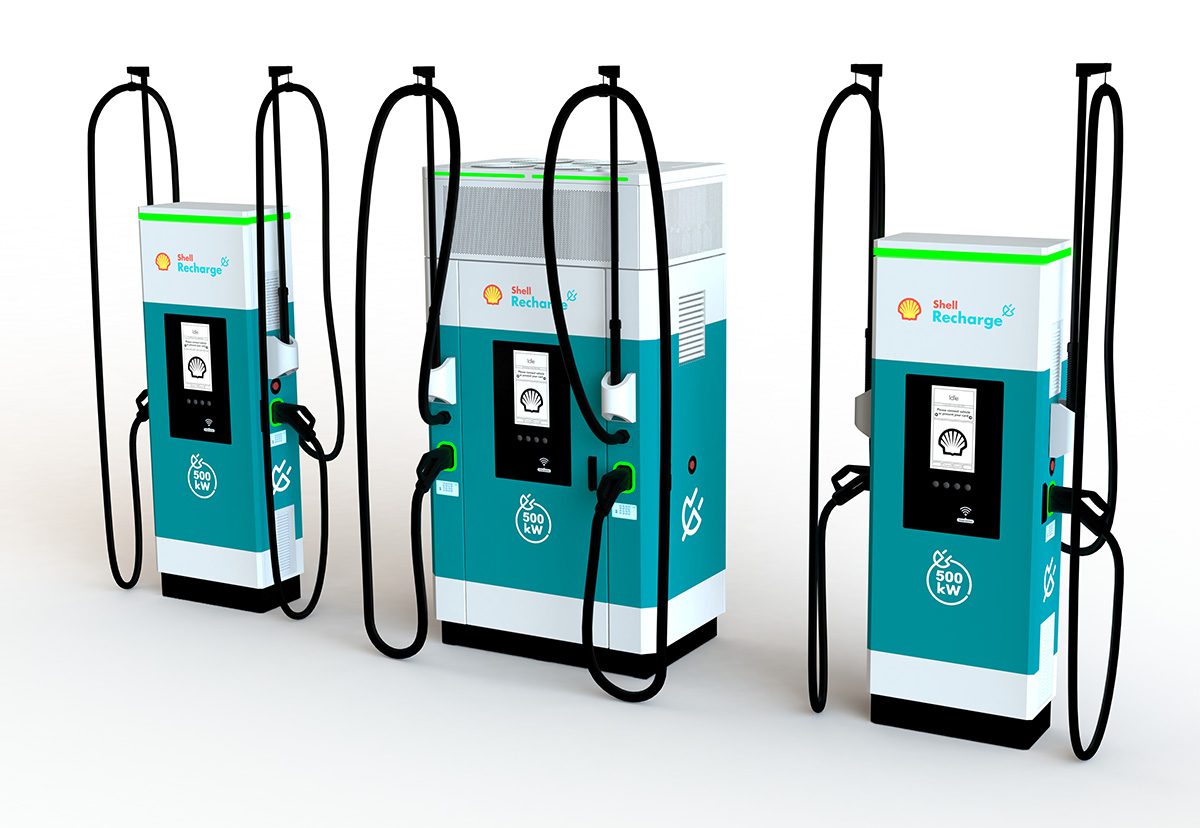
- Shell subsidiary SBRS has launched the Shell Recharge PowerPack 500, a new DC charging solution specifically designed for heavy-duty electric vehicle (EV) fleets in Europe.
- The PowerPack 500 is an all-in-one system featuring a liquid-cooled power module, engineered for demanding duty cycles and boasting a projected service life exceeding 10 years.
- Its modular design allows fleets to start with one power unit and scale up to six outputs, delivering up to 500 kW of continuous charging power without significant infrastructure overhauls.
- Complementary services include PowerOS for charge point management, PowerCare for maintenance, and the Shell Card for integrated fleet payments.
- Shell’s recent report suggests that heavy-duty EV fleets can achieve up to 10% lower Total Cost of Ownership (TCO) compared to diesel counterparts, underscoring the economic rationale for electrification supported by robust charging infrastructure.
Shell Bolsters EV Infrastructure with Dedicated Heavy-Duty Charging System
In a significant development for the electric vehicle (EV) sector, SBRS, a specialized subsidiary of global energy giant Shell, has officially rolled out a new direct current (DC) charging solution engineered specifically for the rigorous demands of heavy-duty EV fleets. This strategic move aims to accelerate the transition of commercial transportation across Europe towards electrification by providing robust and scalable charging infrastructure.

The newly introduced product, dubbed the Shell Recharge PowerPack 500, represents an all-in-one EV charger designed to meet the intensive operational requirements of electric trucks and buses. Its launch signifies a deepening commitment from Shell to support the burgeoning market for heavy-duty electric vehicles, recognizing the critical role that reliable and efficient charging plays in widespread adoption.
Introducing the Shell Recharge PowerPack 500
The Shell Recharge PowerPack 500 stands out with its advanced technical specifications, tailored for continuous, high-power delivery essential for commercial fleet operations. At its core is a state-of-the-art liquid-cooled power module, a feature crucial for maintaining optimal performance and longevity under demanding charge cycles. This cooling mechanism ensures efficiency and durability, critical aspects for infrastructure expected to operate around the clock.
Engineered for endurance, the PowerPack 500 boasts a projected service life of over 10 years, offering fleet operators a long-term investment solution. This extended lifespan reduces the total cost of ownership for charging infrastructure, aligning with the broader economic benefits that electric fleets are increasingly demonstrating. The robustness of this DC charging solution is a key differentiator in a market demanding resilience and reliability.

Modular Design for Scalable Fleet Operations
A cornerstone feature of this innovative DC charging solution is its inherent modularity and scalability. Fleets can initiate their electrification journey with a single power unit, which is equipped with two DC outputs, allowing for simultaneous charging of two heavy-duty electric vehicles.
Crucially, the system is designed for seamless expansion. Operators can scale up their charging capacity by adding more modules, ultimately supporting up to six outputs. This allows for a total continuous charging power of up to 500 kW. This progressive scalability eliminates the need for fleets to replace core infrastructure or undertake complex depot redesigns as their electric fleet expands, offering unparalleled flexibility and cost-efficiency.
Comprehensive Ecosystem for Fleet Management
Beyond the hardware, Shell is offering a holistic suite of products and services to ensure optimal performance and simplified management of the new DC charging solution for heavy-duty EV fleets. These complementary offerings underscore Shell’s ambition to provide an integrated electrification ecosystem, addressing various operational facets for fleet managers.
Central to this ecosystem is PowerOS, Shell’s proprietary charge point management system. PowerOS provides fleet operators with robust tools for monitoring, managing, and optimizing their charging infrastructure. This includes real-time data on energy consumption, charging status, and system diagnostics, enabling efficient allocation of resources and proactive maintenance.
Further enhancing operational peace of mind is PowerCare, a comprehensive service and maintenance contract. This offering ensures that the Shell Recharge PowerPack 500 remains operational and efficient throughout its lifespan, minimizing downtime and maximizing the utility of the charging assets. Proactive maintenance and rapid response services are vital for heavy-duty fleets where operational continuity is paramount.
Rounding out the integrated solution is the widely recognized Shell Card. For fleets transitioning from traditional fuels to electric, the Shell Card offers a convenient and unified payment system, simplifying expense management across a mixed fleet of diesel and electric vehicles during the transition period. This integration streamlines administrative processes, a critical consideration for large-scale logistics operations.
The Economic Imperative: Lowering Total Cost of Ownership
In a noteworthy disclosure, the oil giant has published a new report titled, ‘Electric Trucking: From cost barrier to competitive advantage.’ This comprehensive analysis explains how fleets can achieve up to 10% lower TCO by switching from diesel to electric heavy-duty trucks. This finding provides a powerful economic incentive, complementing the environmental benefits of electrification.
The report’s conclusions highlight that the initial capital expenditure for electric trucks and charging infrastructure is often offset by significant operational savings over the vehicle’s lifetime. These savings primarily stem from reduced fuel costs, as electricity is generally more stable and cheaper than diesel, and lower maintenance expenses due to fewer moving parts in electric powertrains. The availability of a reliable, high-power DC charging solution like the PowerPack 500 is fundamental to realizing these TCO benefits, ensuring trucks are charged efficiently and ready for dispatch.
Moreover, various government incentives, subsidies, and tax breaks for EV adoption in Europe can further enhance the economic attractiveness of transitioning to electric heavy-duty fleets. Shell’s strategic emphasis on TCO demonstrates a keen understanding of the commercial realities faced by fleet operators, positioning their charging solution as an enabler of both sustainability and financial viability.
Accelerating Europe’s Heavy-Duty Electrification Journey
The launch of the Shell Recharge PowerPack 500 comes at a pivotal moment for European heavy-duty transport. With increasing regulatory pressure to decarbonize road freight and growing corporate sustainability targets, the demand for robust and scalable EV charging infrastructure is escalating. This dedicated DC charging solution is poised to play a crucial role in enabling logistics companies and fleet operators to meet these objectives.
Shell, through SBRS, is not merely supplying hardware but is strategically investing in the infrastructure that underpins the future of commercial transport. By addressing key challenges such as power delivery, scalability, and holistic management, this new offering helps de-risk the investment for businesses considering a switch to electric heavy-duty vehicles, thereby accelerating the broader energy transition across the continent.
Conclusion
The introduction of the Shell Recharge PowerPack 500 by SBRS marks a significant milestone in the development of charging infrastructure for heavy-duty EV fleets in Europe. With its robust design, modular scalability, and integrated management services, this DC charging solution provides a compelling answer to the complex energy needs of commercial electric transport.
Backed by an economic analysis showing substantial TCO benefits for electric trucks, Shell’s latest offering is set to empower fleet operators to transition confidently towards a more sustainable and cost-effective future. This strategic move solidifies Shell’s position as a key enabler in the global energy transition, proving that major players in the traditional energy sector are actively shaping the electrified future of mobility.
Frequently Asked Questions (FAQ)
What is the Shell Recharge PowerPack 500?
The Shell Recharge PowerPack 500 is a new, purpose-built DC charging solution from Shell subsidiary SBRS. It’s designed specifically for heavy-duty electric vehicle fleets in Europe, offering robust, scalable, and efficient charging capabilities to support the electrification of commercial transport.
What are the key features of this new DC charging solution?
Key features include a liquid-cooled power module for durability and efficiency, a modular design allowing scalability from two to six DC outputs, and a total continuous charging power of up to 500 kW. It is engineered for demanding duty cycles with a projected service life exceeding 10 years.
How does the PowerPack 500 address fleet scalability?
The system’s modularity allows fleets to start with a base unit and easily expand their charging capacity by adding more modules. This means operators can scale up to six outputs and 500 kW without needing to replace core infrastructure or undertake expensive depot redesigns as their fleet grows.
What complementary services does Shell offer with the PowerPack 500?
Shell provides a comprehensive ecosystem including PowerOS, a charge point management system for monitoring and optimization; PowerCare, a service and maintenance contract for reliability; and the Shell Card, a unified payment solution for simplified fleet expense management.
How can electric heavy-duty trucks lower Total Cost of Ownership (TCO)?
According to Shell’s report, ‘Electric Trucking: From cost barrier to competitive advantage,’ heavy-duty EV fleets can achieve up to 10% lower TCO compared to diesel. This is primarily due to reduced fuel costs (electricity vs. diesel) and lower maintenance expenses from simpler electric powertrains, coupled with potential incentives.
Where will the Shell Recharge PowerPack 500 be available?
The Shell Recharge PowerPack 500 is being launched specifically for deployment to heavy-duty EV fleets across the European market. This focuses on regions actively pursuing fleet electrification and decarbonization initiatives in the commercial transport sector.