
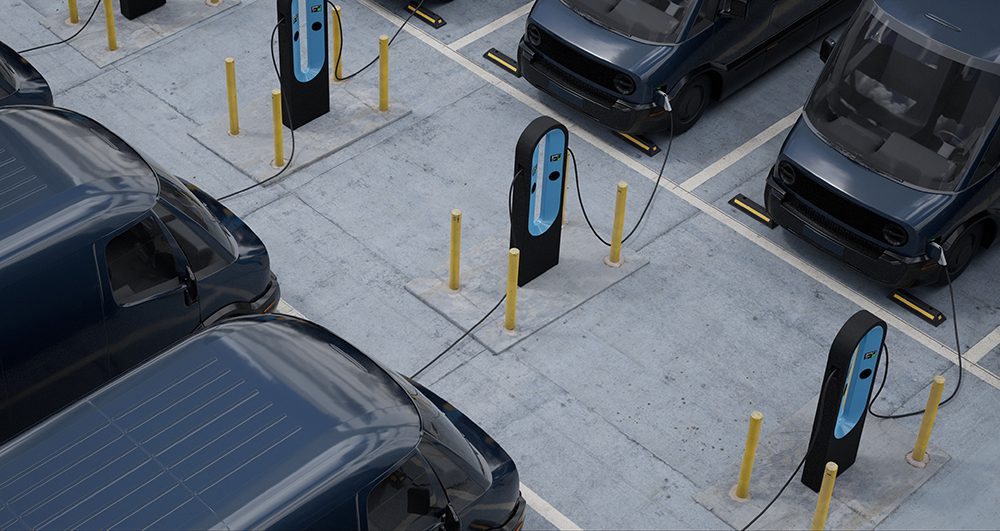
While high-profile electrification pledges from major corporations often capture public attention, a new analysis indicates that focusing on smaller and medium-sized commercial fleets could yield more significant environmental benefits per dollar invested. The study highlights that these smaller operations, which form the vast majority of U.S. fleet owners, may represent a more accessible and impactful pathway to widespread electric vehicle (EV) adoption and substantial emissions reductions.
SMB Fleets: An Untapped Potential for Electrification
A comprehensive white paper, titled “Small Fleets, Big Impact: A National Study of EV Adoption,” has been released by Mitra EV. This research offers a comparative analysis specifically targeting small and medium-sized business (SMB) fleets. The study’s findings are bolstered by insights gathered from over 300 survey responses and detailed interviews with fleet operators across California, Colorado, Georgia, and Ohio.

This research was partially funded by a grant from the U.S. Department of Energy (DOE) and was conducted in collaboration with Clean Cities and Communities coalitions in the participating states. The paper emphasizes that SMBs constitute 99% of all fleet operators in the United States. Crucially, many of these businesses operate vehicle types that are already well-suited for electrification, particularly commercial pickups and vans frequently used for predictable local delivery routes.
Awareness Gaps and Cost Competitiveness
A key finding of the Mitra EV study is that a significant lack of awareness is the primary obstacle preventing SMBs from adopting electric vehicles. The survey revealed that only 26% of SMB fleet managers feel adequately knowledgeable about EVs. This is despite the fact that many electric pickups and vans are already economically viable when considering their total cost of ownership.
The research suggests that the initial investment and perceived complexity are major deterrents. However, once a fleet successfully integrates its first electric vehicles, there is a strong likelihood that they will expand their EV deployment. Often, this internal adoption also spurs private investment in charging infrastructure, further accelerating the transition.

Strategic Recommendations for Accelerated Adoption
Based on their findings, the researchers advocate for a strategic approach to EV adoption within SMB sectors. They recommend prioritizing electric pickups and vans as the initial “gateway vehicles” for electrification. This targeted approach can help build confidence and demonstrate the viability of EVs in real-world commercial operations.
Furthermore, the study calls for investment in shared charging hubs specifically designed for commercial use. These hubs could address some of the infrastructure concerns for smaller operators who may not have the capacity to install extensive individual charging solutions. Such shared facilities could improve accessibility and reduce upfront costs.
Expert Endorsements for a Focused Approach
James Tong, Chief Strategy Officer at Mitra EV, underscored the study’s central message: “The evidence is clear: small leads to greater impact. Electric pickups and vans are market-ready, charging is straightforward, and most fleets operate at this scale. Start here, and electrification moves faster.” His statement emphasizes the practical and immediate benefits of focusing on these accessible vehicle segments.
Cynthia Maves, Board Vice President at Clean Fuels Ohio, echoed this sentiment, extending its implications beyond small businesses. “These findings extend beyond small business fleets,” Maves stated. “They offer practical guidance for policymakers, utilities and market participants seeking to accelerate electrification in a cost-effective way. By focusing on segments that can deploy quickly and reliably, programs can deliver measurable impact while building long-term momentum.”
This research suggests that a shift in focus from large, headline-grabbing fleet electrification projects to supporting the broader, smaller-scale market could unlock substantial environmental gains. By addressing awareness barriers and providing targeted infrastructure support, policymakers and industry stakeholders can accelerate the transition to electric mobility across a critical segment of the U.S. economy.