
Key Takeaways
- Tesla is commencing the installation of its first megawatt-capable charging stations across Europe.
- This extensive rollout of over 100 Megachargers is critical for supporting the highly anticipated launch of the Tesla Semi truck in the European market.
- Initially, 21 strategically located charging stations will be deployed across Germany, France, the United Kingdom, Sweden, and the Benelux countries.
- The Megachargers are designed for rapid replenishment, offering up to 1.2 megawatts, capable of charging the Semi’s battery to 60% in approximately 30 minutes.
- Tesla is also making its advanced charging solutions, including Megachargers and Basechargers, available for purchase by logistics and fleet operators.
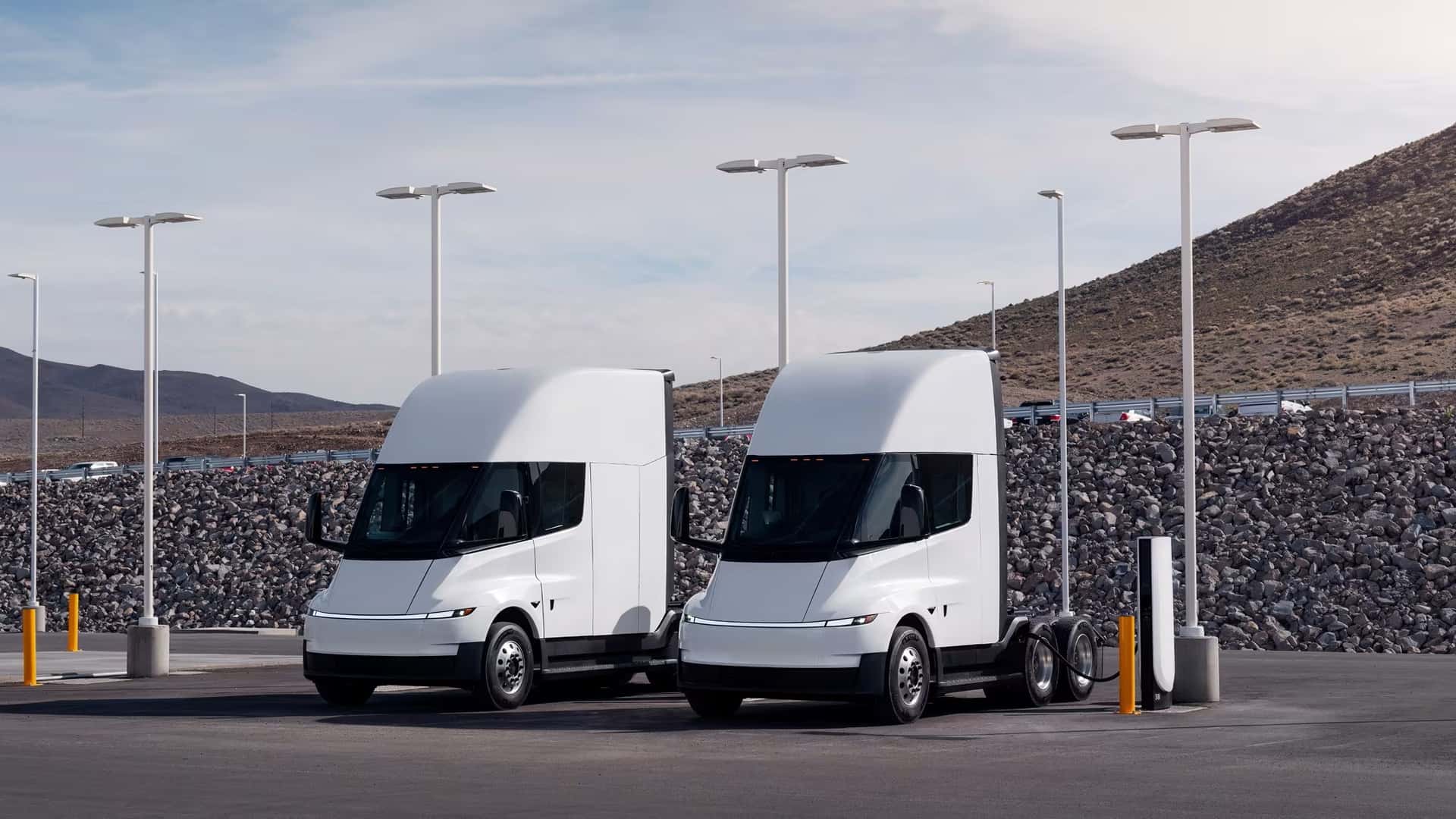
In a significant stride towards electrifying heavy-duty transport across the continent, Tesla has officially begun the strategic deployment of its formidable Megacharger network in Europe. This ambitious initiative is poised to lay the essential groundwork for the impending Tesla Semi European rollout, with initial deliveries of the electric truck slated for the coming year.
The success of the futuristic battery-powered tractor hinges on a robust and high-powered charging infrastructure, a critical dependency that Tesla is now addressing head-on. This development marks a pivotal moment for electric logistics, promising to reshape how freight is moved across European nations.

Establishing a Continental Charging Backbone
Details regarding this extensive infrastructure plan were unveiled by Dan Priestley, Tesla’s head of development for the Semi. During his presentation at this year’s IAA Transportation fair in Hanover, Priestley confirmed that Tesla intends to install over 100 Megachargers across 21 dedicated stations throughout Europe.
While a precise timeline for the full activation of this initial deployment remains undisclosed, the strategic intent is clear: to ensure a seamless and efficient charging ecosystem for the Tesla Semi from its European inception. This network is an indispensable component of Tesla’s broader electrification strategy.
Strategic Placement Across Key European Markets
The initial phase of the Megacharger rollout targets several key economic powerhouses and logistical hubs within Europe. According to a slide presented by Dan Priestley, Germany, France, the United Kingdom, Sweden, Belgium, the Netherlands, and Luxembourg are slated to receive the first Tesla-branded megawatt chargers.

These regions represent critical corridors for commercial transportation and early adoption of electric heavy-duty trucks. The focused approach aims to provide comprehensive coverage in areas where the demand for the Tesla Semi is expected to be highest, supporting efficient logistics operations and reducing range anxiety for operators.
Technical Prowess: Powering the Electric Future
The Tesla Megachargers are engineered to meet the demanding power requirements of heavy-duty electric vehicles. Each unit is capable of delivering an impressive 1.2 megawatts of power. This substantial output is crucial for rapidly replenishing the large battery packs of electric trucks, dramatically minimizing downtime.
Specifically for the Tesla Semi, these Megachargers can restore the battery to 60% of its capacity in approximately 30 minutes. This efficiency is paramount for maintaining tight delivery schedules and operational continuity in commercial logistics, directly addressing a key concern for fleet managers considering the Tesla Semi European rollout.
Advanced Specifications for European Operations
In Europe, the Megachargers will feature a 1,000-volt power cabinet, ensuring optimal energy delivery. Each station will be equipped with two charging stalls, capable of channeling up to 1,500 amperes to compatible electric vehicles. This robust design guarantees consistent high-speed charging performance.
Both the Tesla Semi and the dedicated Megacharger units are fitted with an MCS 3.2 connector, which is part of the emerging Megawatt Charging System (MCS) standard. While this specific connector ensures proprietary compatibility for Tesla’s ecosystem, it also means that other power-hungry electric trucks currently on the market may not be able to directly utilise Tesla’s megawatt chargers.
Ensuring Interoperability with CCS Adapters
Recognising the diverse charging landscape, Tesla has a solution for broader compatibility. The company will supply CCS adapters to its Semi customers, enabling them to recharge their electric trucks at existing CCS2 stalls across the continent. This thoughtful provision enhances the operational flexibility of the Tesla Semi, allowing access to a wider network of charging points, albeit at lower power outputs than the dedicated Megachargers.
This hybrid approach ensures that fleet operators have reliable charging options, whether at a Tesla Megacharger station or a conventional DC fast-charging site, further solidifying the feasibility of the Tesla Semi European rollout and fostering confidence in electric heavy-duty transport.
Commercial Availability: Extending Charging Solutions
Beyond establishing a public Megacharger network, Tesla is also set to make its advanced charging dispensers commercially available. This strategic move allows logistics hubs, private companies, and fleet operators to acquire and install their own Megacharger and Basecharger units, fostering an even more decentralised and robust charging ecosystem.
The order books for both the high-powered Megacharger and the lower-powered Basecharger are already open, with the first European deliveries anticipated in mid-next year. This direct sales model empowers businesses to integrate state-of-the-art charging infrastructure directly into their operations, accelerating the transition to sustainable freight.
Pricing and Specifications for Tesla Charging Units
For companies looking to invest in this cutting-edge technology, a Megacharger bundle, which includes a power cabinet and two stalls, is priced at €163,000. This package offers a comprehensive solution for rapid, high-volume charging needs, ideal for busy transport depots and distribution centres seeking to support the Tesla Semi European rollout.
Alternatively, the 120-kW all-in-one Basecharger is available for €17,000, though it comes with a mandatory two-unit minimum order. The Basecharger integrates all necessary components into a single housing, providing a more compact and cost-effective solution for facilities where electric trucks can be recharged over extended periods.
The Basecharger: A Flexible Charging Option
The Basecharger offers a DC output of 120 kW and an AC output of 125 kW, making it suitable for overnight or longer duration charging cycles. According to Tesla, this unit can increase the Semi’s state of charge to 80% in approximately four hours. This flexibility ensures that businesses can tailor their charging infrastructure to their specific operational rhythms and budgetary considerations.
The availability of both Megacharger and Basecharger options demonstrates Tesla’s commitment to providing scalable and adaptable charging solutions, crucial for the widespread adoption of electric heavy-duty vehicles across various logistical demands in Europe.
The Broader Impact on European Logistics
The advent of this comprehensive charging network, coupled with the imminent arrival of the Tesla Semi, signals a transformative era for European logistics. The transition to electric heavy-duty transport promises significant reductions in emissions, noise pollution, and operational costs for fleet owners in the long run.
This Tesla Semi European rollout is not merely about introducing a new truck; it’s about pioneering an entire ecosystem designed to support sustainable, efficient, and technologically advanced freight movement across the continent. As Europe pushes towards stricter emission standards, Tesla’s proactive infrastructure development places it at the forefront of this green transportation revolution.
Outlook for Electric Heavy-Duty Transport
While the initial rollout is a strong start, the expansion of electric heavy-duty vehicle charging infrastructure will be an ongoing process, requiring continuous investment and technological advancement. The collaboration between vehicle manufacturers, energy providers, and governmental bodies will be crucial in scaling up this effort to meet the growing demand for zero-emission logistics.
Tesla’s bold move to establish a dedicated Megacharger network underscores the company’s long-term vision for electric transport and its commitment to making the Tesla Semi a viable and competitive option for European freight companies. This infrastructure is a cornerstone for the continent’s journey towards sustainable commercial mobility.
FAQ
What is the Tesla Megacharger network?
The Tesla Megacharger network is a new, high-powered charging infrastructure specifically designed to support heavy-duty electric trucks like the Tesla Semi. It provides rapid charging capabilities to ensure efficient operation and minimise downtime for commercial fleets.
Which European countries will receive the first Megachargers?
The initial deployment of Tesla Megachargers in Europe will target Germany, France, the United Kingdom, Sweden, Belgium, the Netherlands, and Luxembourg. These countries represent key logistical and economic areas within the continent.
How fast can a Tesla Megacharger charge the Semi?
A Tesla Megacharger can deliver up to 1.2 megawatts of power, allowing the Tesla Semi’s large battery pack to be replenished to approximately 60% of its charge in just 30 minutes, significantly enhancing operational efficiency for logistics.
Can other electric trucks use Tesla’s Megachargers?
Tesla Megachargers are fitted with an MCS 3.2 connector, which is specific to the Megawatt Charging System standard used by the Tesla Semi. While other trucks may not directly use these, Tesla will provide CCS adapters for Semi customers to use conventional CCS2 stalls.
Can companies purchase their own Tesla Megachargers or Basechargers?
Yes, Tesla is offering its Megacharger and Basecharger units for direct purchase by logistics hubs and companies. The order books are open, with the first European deliveries expected by mid-next year, allowing businesses to integrate these solutions into their private fleets.
What is the difference between a Megacharger and a Basecharger?
A Megacharger is a high-power unit (1.2 MW) designed for very rapid charging. A Basecharger is a lower-powered (120 kW DC, 125 kW AC) all-in-one unit suited for longer charging periods, such as overnight, reaching 80% charge in about four hours.
What is the cost of a Tesla Megacharger bundle?
A Tesla Megacharger bundle, which includes a power cabinet and two charging stalls, is priced at €163,000. This investment allows companies to establish high-speed charging capabilities tailored for their electric truck fleets.
When will the Tesla Semi be delivered in Europe?
The first deliveries of the Tesla Semi truck in Europe are scheduled to commence next year. The establishment of the Megacharger network is a crucial prerequisite for these deliveries, ensuring a supportive charging infrastructure is in place.