
Key Takeaways
- Tesla is preparing to launch its megawatt-capable Megacharger infrastructure across Europe.
- Over 100 Megacharger stalls are planned across 21 stations to support the Tesla Semi’s European debut.
- Initial deployment targets Germany, France, the United Kingdom, Sweden, Belgium, the Netherlands, and Luxembourg.
- Megachargers offer up to 1.2 megawatts, charging the Semi to 60% in approximately 30 minutes.
- Tesla will also sell Megachargers and lower-powered Basechargers directly to logistics companies.
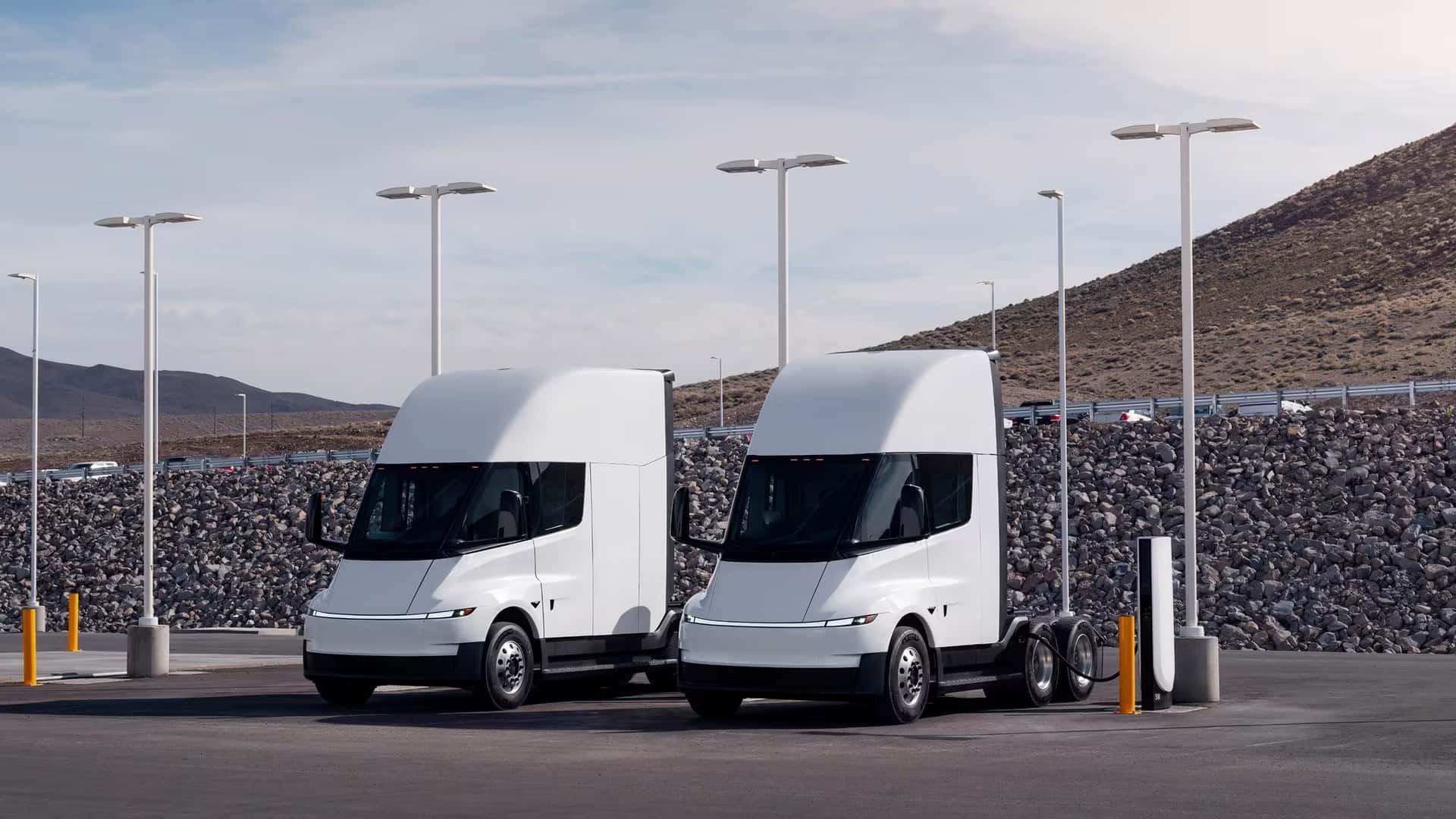
Tesla is significantly accelerating its preparations for the European debut of the highly anticipated Semi electric truck. A cornerstone of this strategic expansion is the foundational rollout of a robust megawatt-capable charging infrastructure across the continent, an essential precursor to ensure the viability and operational efficiency of heavy-duty electric transport.
The company has officially outlined its ambitious plans for the installation of the first high-powered charging stations designed specifically for its electric tractor. This critical development signals Tesla’s commitment to overcoming the logistical challenges inherent in transitioning commercial freight to zero-emission vehicles, particularly in a diverse and demanding market like Europe.

Strategic Deployment of Megachargers Across Europe
Supporting the upcoming launch of the Tesla Semi, the automaker has precisely mapped out the locations for its initial wave of megawatt-capable chargers. According to Dan Priestley, Tesla’s head of Semi development, the company intends to install over 100 Megachargers distributed across 21 strategic stations within the region.
While a precise timeline for the completion of this initial rollout has not been publicly disclosed, the announcement underscores a proactive approach to build the necessary support ecosystem before widespread deliveries of the electric truck commence. This forward-thinking strategy is crucial for instilling confidence among potential fleet operators and logistics companies considering the transition to electric heavy-duty transport.
Targeted Nations for Initial Rollout
During a detailed presentation at this year’s IAA Transportation fair held in Hanover, a key slide revealed the specific European nations slated to receive the inaugural Tesla-branded megawatt chargers. These include economic powerhouses and vital logistical corridors such as Germany, France, and the United Kingdom.

Additionally, Sweden, Belgium, the Netherlands, and Luxembourg are among the countries prioritized for this initial charging network expansion. This selective targeting highlights Tesla’s focus on regions with high commercial transport volumes and supportive regulatory environments for sustainable transport solutions, essential for a successful Tesla Semi European rollout.
Unpacking the Tesla Megacharger Technology
The Tesla Megacharger stands as a formidable piece of infrastructure, engineered to address the demanding energy requirements of heavy-duty electric trucks. These chargers are capable of delivering an impressive output of up to 1.2 megawatts, positioning them at the forefront of rapid charging technology for commercial vehicles.
Such immense power output is critical for minimizing downtime and maximizing operational routes for electric fleets. This capability ensures that the Tesla Semi can be quickly returned to service, a paramount consideration for the time-sensitive nature of modern logistics and supply chains.
Rapid Charging Capabilities for the Semi
The efficiency of the Megacharger is particularly evident in its ability to replenish the Tesla Semi’s substantial battery pack. It can boost the truck’s state of charge to 60% in approximately 30 minutes. This rapid charging performance is vital for long-haul operations, allowing drivers to quickly top up batteries during mandatory rest stops or freight transfers.
For the European market, these Megachargers will be equipped with a 1,000-volt power cabinet. Each station will feature two stalls, capable of delivering a staggering 1,500 amperes to an electric vehicle. These specifications are designed to handle the massive energy transfer needed to power large commercial EV logistics operations, underscoring the advanced engineering behind the Tesla Semi European rollout strategy.
Connectivity and Compatibility Standards
Both the Tesla Semi and the accompanying Megacharger units are designed with an MCS 3.2 connector. The Megawatt Charging System (MCS) standard is emerging as the industry benchmark for heavy-duty electric trucks, facilitating ultra-fast charging capabilities.
However, the current configuration implies that other power-hungry electric trucks not equipped with the MCS 3.2 connector will not be able to utilize Tesla’s dedicated megawatt chargers in the immediate future. This highlights a potential challenge in charger interoperability within the broader European EV charging landscape.
Ensuring Broad Access with CCS Adapters
Recognizing the need for broader charging compatibility, Tesla has confirmed that it will provide CCS adapters to its Semi customers. This provision is a crucial step towards ensuring that fleet operators have flexible charging options across the continent.
The CCS2 (Combined Charging System) standard is widely adopted in Europe for passenger electric vehicles and increasingly for medium-duty electric trucks. By offering these adapters, Tesla enables Semi operators to recharge at existing CCS2 stalls throughout Europe, mitigating concerns about exclusive charging infrastructure and enhancing the overall utility of the Tesla Semi European rollout.
Commercial Availability of Charging Solutions
Beyond establishing a public Megacharger network, Tesla is also extending its charging solutions to individual businesses and logistics hubs. The company has announced that its sleek charging dispensers will be available for purchase, catering to businesses that require their own dedicated charging infrastructure.
This initiative allows large-scale logistics operations and fleet operators to integrate high-capacity charging directly into their depots, optimizing their operational flow and reducing reliance on public charging stations. This dual approach signifies Tesla’s intent to permeate every facet of the heavy-duty transport sector.
Pricing and Delivery Schedules for Chargers
The order books for both the Megacharger and the lower-powered Basecharger are officially open for European customers. The first deliveries of these commercial charging units are anticipated in the middle of next year, aligning with the expected deployment of the Tesla Semi.
A Megacharger bundle, which includes a power cabinet and two stalls, is priced at €163,000. For businesses requiring a more economical or supplementary charging option, the 120-kW all-in-one Basecharger is available for €17,000. It is important to note that the Basecharger comes with a mandatory two-unit minimum order, suggesting its intended use within multi-vehicle fleet environments.
The Role of the Basecharger in Fleet Operations
The Basecharger offers a complementary solution to the high-speed Megacharger, designed for scenarios where electric trucks can be recharged over extended periods. This integrated unit combines all necessary components into a single housing, streamlining installation and footprint.
With a DC output of 120 kW and an AC output of 125 kW, the Basecharger is ideal for companies that can facilitate overnight charging or utilize longer dwell times. According to Tesla, this unit can increase the Semi’s state of charge to 80% in approximately four hours, providing a practical and efficient option for routine depot charging and maintaining battery health over time.
The introduction of both Megachargers and Basechargers underscores a comprehensive strategy to support the Tesla Semi European rollout, addressing varied operational needs within the burgeoning electric heavy-duty transport sector. This multi-tiered charging approach is crucial for facilitating the widespread adoption of zero-emission commercial vehicles and transforming the future of logistics.
FAQ
What is the primary purpose of Tesla’s European Megacharger rollout?
The primary purpose is to establish a robust charging infrastructure essential for the launch and operational viability of the Tesla Semi electric truck across Europe, enabling efficient and timely replenishment of its large battery packs.
How many Megacharger stations and stalls are planned initially in Europe?
Tesla plans to install over 100 Megacharger stalls across 21 dedicated stations as part of its initial rollout strategy in key European markets to support the Tesla Semi European rollout.
Which European countries are targeted for the first Megacharger installations?
The first Megachargers are slated for Germany, France, the United Kingdom, Sweden, Belgium, the Netherlands, and Luxembourg, focusing on regions critical for commercial transport and logistics.
How fast can a Tesla Semi charge using a Megacharger?
A Tesla Megacharger can deliver up to 1.2 megawatts, allowing the Semi’s battery pack to be charged to 60% capacity in approximately 30 minutes, significantly reducing downtime for fleet operators.
Will other electric trucks be able to use Tesla’s Megachargers?
Tesla’s Megachargers are equipped with an MCS 3.2 connector, meaning other electric trucks would need to be compatible with this specific standard. However, Tesla will provide CCS adapters to Semi customers for broader charging options.
What is the difference between a Megacharger and a Basecharger?
The Megacharger offers ultra-fast charging at 1.2 MW for rapid turnaround, while the Basecharger provides a lower power output (120-125 kW) suitable for longer charging periods, such as overnight depot charging, enhancing flexibility for fleet operators.