
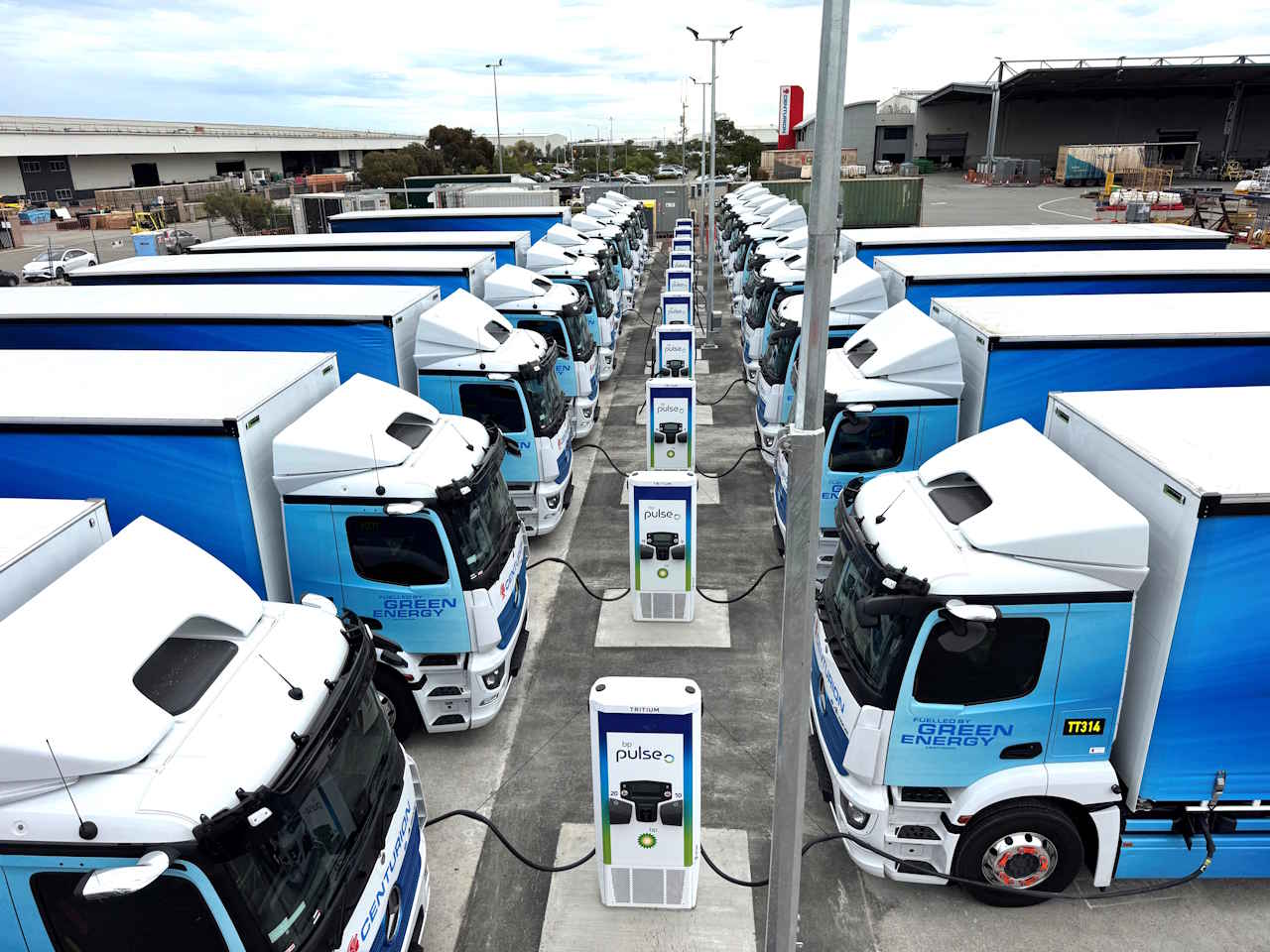
In a significant move towards fostering sustainable logistics, the Victorian Labor government has unveiled two new initiatives designed to bolster the state’s freight sector. These programs aim to alleviate financial pressures on businesses by reducing reliance on traditional fuels and accelerating the adoption of cleaner transport alternatives across Victoria.
Applications are now officially open for these pivotal programs, which are set to empower freight operators with the necessary resources to invest in low- and zero-emission vehicles, supporting infrastructure, and cutting-edge technologies. The overarching goal is to help businesses in Victoria reduce operational expenditures while simultaneously enhancing the efficiency and environmental footprint of their operations, a particularly pertinent objective amidst ongoing fuel price volatility.

Pioneering Victoria’s Freight Decarbonisation Initiatives
The newly launched Freight Decarbonisation Co-Investment Program and the Victorian Electric Heavy Vehicle Trial represent a concerted effort to drive fundamental change within the sector. These initiatives are strategically designed to address both the immediate economic challenges posed by fuel costs and the long-term imperative of environmental sustainability.
Melissa Horne, the state minister for ports and freight, underscored the urgency and benefits of these programs. “We know the cost of fuel is hurting our freight operators which is why rolling out these programs will help freight businesses cut costs, boost efficiency and modernise their fleets for the future,” Minister Horne stated. She further emphasised the government’s commitment, adding, “We’re making it easier for operators to save on running costs while transitioning to cleaner, more reliable technology.”
The Vital Role of Victoria’s Freight Sector
Victoria’s freight industry stands as a cornerstone of the state’s economy, employing approximately 240,000 individuals and facilitating the movement of an estimated 440 million tonnes of goods annually. This colossal volume is projected to escalate substantially in the coming decades, underscoring the critical need for a robust, efficient, and environmentally responsible transport network.

The sheer scale of these operations also highlights their significant contribution to carbon emissions, making the transition to low and zero-emission alternatives an environmental imperative. Addressing this challenge proactively ensures that Victoria can sustain its economic growth while meeting its climate objectives.
The Freight Decarbonisation Co-Investment Program: A Closer Look
Central to Victoria’s freight decarbonisation initiatives is the Freight Decarbonisation Co-Investment Program, backed by an substantial $8 million in funding. This program offers grants of up to $300,000 to eligible small and medium-sized freight businesses engaged in road or rail transport.
The grants are designed to support a wide array of investments, including the acquisition of cleaner vehicles, the establishment of essential charging and refuelling infrastructure, the exploration of low-emissions fuels, and the integration of innovative technologies aimed at reducing emissions and improving efficiency. This holistic approach ensures that businesses have diverse options for their transition.
Grant Structure and Co-Investment Requirements
A distinctive feature of the Co-Investment Program is its mandatory co-investment model, requiring successful recipients to contribute funds at a 1:5 ratio. This means that for every $5 of grant funding received, the applicant must contribute $1 in cash.
For example, a business securing the maximum grant of $300,000 would be required to provide a co-investment of $60,000 in cash. This structure encourages shared responsibility and a deeper commitment from businesses towards their decarbonisation efforts, ensuring that public funds are leveraged effectively.
Application Details for Interested Operators
Freight operators keen on participating in the Freight Decarbonisation Co-Investment Program are urged to submit their expressions of interest. The deadline for applications is precisely 4:00 PM on Wednesday, 22 April 2026. Further comprehensive information regarding eligibility criteria, application procedures, and program guidelines is readily available here.
The Victorian Electric Heavy Vehicle Trial: Gaining Real-World Experience
Complementing the Co-Investment Program, the $1.5 million Victorian Electric Heavy Vehicle Trial aims to provide practical, real-world experience with electric heavy vehicles. This initiative is being delivered through a strategic partnership with the Victorian Transport Association (VTA), leveraging their deep industry expertise and network.
The trial is expected to offer invaluable insights into the operational performance, charging requirements, and economic viability of electric heavy vehicles within Victoria’s diverse freight landscape. Such practical experience is crucial for building industry confidence and facilitating a broader uptake of these advanced technologies.
Anticipating Further Details
At the time of this report’s publication, the Victorian government has indicated that additional details regarding the structure and implementation of the Victorian Electric Heavy Vehicle Trial are yet to be made public. The industry and public alike await further announcements, which are expected to provide clarity on participant selection, trial duration, and expected outcomes. Updates will be provided as appropriate when more information becomes available.
Industry Endorsement and a Vision for the Future
The introduction of these two pioneering programs has garnered strong support from key industry stakeholders. The Victorian Transport Association (VTA) was quick to commend the government’s forward-thinking approach.
Peter Anderson, CEO of the VTA, expressed his appreciation, stating that the government was “recognising the scale of the decarbonisation challenge and for supporting freight operators with meaningful, hands‑on programs.” This endorsement from a leading industry body underscores the perceived value and relevance of the initiatives.
Anderson further elaborated on the VTA’s strategic perspective on this transition. He noted, “The VTA has consistently advocated for a measured, informed transition so that freight companies can adopt cleaner technologies when it makes operational and commercial sense.” He concluded by stressing the foundational importance of these initial steps, adding, “While this shift will take years, the most important step is beginning with knowledge, clarity, and a plan.”
Strengthening Victoria’s Economic and Environmental Future
These initiatives represent more than just financial aid; they signify Victoria’s strategic commitment to future-proofing its critical freight sector. By investing in low and zero-emission technologies, the state aims to build a more resilient, cost-effective, and environmentally sustainable transport system.
The long-term benefits extend beyond immediate fuel savings, encompassing improved air quality, reduced noise pollution, and a stronger position for Victoria in the global movement towards green logistics. These steps are crucial for maintaining the state’s economic competitiveness and upholding its environmental responsibilities.
Through these comprehensive Victoria’s freight decarbonisation initiatives, the government is not only responding to the current economic climate but is also laying the groundwork for a more sustainable and prosperous future for its vital freight industry, ensuring it remains robust and efficient for generations to come.