
In an unexpected turn for the automotive sector, the used electric vehicle (EV) market is currently experiencing unprecedented dynamics, with prices for pre-owned battery electric vehicles rising rather than depreciating. This development marks a significant departure from historical trends, where EVs were often plagued by rapid value decline. The shift is creating a complex landscape for both consumers and manufacturers, impacting purchasing decisions and the broader trajectory of EV adoption.
Key Takeaways
- The used EV market is witnessing a surprising surge in prices, moving counter to traditional vehicle depreciation patterns.
- Historically, EVs experienced significant depreciation; the current trend represents a notable market anomaly.
- Factors contributing to this rise include high gasoline prices, increased consumer awareness of EV benefits, and a wider availability of diverse, quality used EV models.
- The discontinuation of federal EV tax credits for new purchases has redirected budget-conscious buyers towards more affordable used options.
- This booming used EV segment may be inadvertently hindering growth in the new EV market, contributing to slower sales and model cancellations by automakers.
- The evolving market demands careful consideration from consumers contemplating EV purchases and strategizing from auto manufacturers.
Unprecedented Reversal: Used EV Values Surge
The global automotive industry witnessed a peculiar phase around 2021, a period characterized by snarled supply chains, halted factory operations, and a critical shortage of semiconductor chips. This confluence of factors led to an extraordinary scenario where used internal combustion engine (ICE) vehicles often commanded prices exceeding the Manufacturer’s Suggested Retail Price (MSRP) for new models, simply because new inventory was scarce.

While the broader market eventually stabilized, the electric vehicle segment is now navigating its own unique set of market dynamics. Contrary to established automotive economics, which predict a steady decline in vehicle value over time, used EVs are increasingly becoming more expensive. This phenomenon directly challenges the long-standing issue of rapid EV depreciation that has historically deterred potential buyers.
For instance, a Chevrolet Bolt from a couple of years ago is reportedly now fetching upwards of $20,000 in the secondary market. This figure is particularly striking given the generally steep depreciation rates electric vehicles have faced since their introduction. The current appreciation in value for pre-owned electric models is a significant deviation that warrants closer examination by industry analysts and consumers alike.
Driving Forces Behind the Shift
Several interconnected factors are converging to reshape the used EV market, creating this counter-intuitive surge in electric vehicle prices. These influences span from global economic pressures to evolving consumer perceptions and changes in government incentive structures.

Soaring Fuel Costs and Growing Awareness
One of the primary catalysts for the heightened demand for used EVs is undoubtedly the persistent high price of gasoline. As fuel costs remain elevated, more consumers are actively seeking alternatives to traditional petrol-powered vehicles, making the cost-saving benefits of electric propulsion highly attractive.
Beyond immediate economic considerations, there is a growing public awareness regarding the practical advantages and environmental benefits of electric cars. Many consumers are recognizing that modern used EVs offer compelling value, combining lower operating costs with increasingly reliable technology and improved range capabilities.
The Impact of Evolving EV Offerings
The past few years have also seen a substantial expansion in the variety and quality of electric vehicles entering the market. This includes a diverse range of models from various manufacturers, many of which are now filtering into the used car segment. This increased availability of good, reliable pre-owned electric vehicle options empowers consumers with more choices than ever before.
Consequently, the sales of used EVs have reached new records, indicating robust consumer confidence and a clear preference for these vehicles in the secondary market. This contrasts sharply with the struggles observed in certain segments of the new EV market, which has faced challenges in maintaining its growth momentum.
Navigating the Post-Incentive Landscape
A critical factor influencing the surge in used EV demand is the expiration or reduction of government incentives, specifically the new EV tax credit. In recent years, these federal tax credits significantly lowered the effective purchase or lease cost of new electric vehicles, making them surprisingly affordable for a wide range of buyers, including those on tighter budgets.
This incentivized period allowed many consumers to opt for new electric cars, bypassing the used market entirely. However, with the absence of these substantial incentives, the financial calculus has changed dramatically. Consumers who might have previously leased or purchased a new EV are now faced with considerably higher monthly payments or upfront costs for new models.
This shift has directly pushed a segment of the buying public, particularly those exiting existing EV leases, towards the more financially appealing used EV options. The decision to purchase a pre-owned electric vehicle often presents a more economical pathway to EV ownership compared to renewed leasing agreements or new car purchases in the current landscape.
The Interplay Between New and Used EV Markets
The vigorous performance of the used EV market, while positive for consumer access to electric mobility, introduces complex dynamics that could inadvertently impact the new EV market. This interconnectedness highlights a crucial phase in the broader electric vehicle industry’s development.
A robust supply of affordable, high-quality used electric vehicles inevitably creates stiff competition for new models. When consumers can acquire a well-maintained, relatively modern EV at a significantly lower price point in the secondary market, it diminishes the incentive to pay a premium for a brand-new vehicle, especially without the former tax credits.
This competitive pressure from pre-owned electric vehicles contributes to the challenges currently faced by auto manufacturers in selling new models. The ‘EV-leasing bonanza’ of the past few years, which injected many new EVs into circulation, is now feeding a growing used market. This abundance of used inventory could paradoxically dampen demand for new vehicles, leading to a downturn in new EV sales within key markets like America.
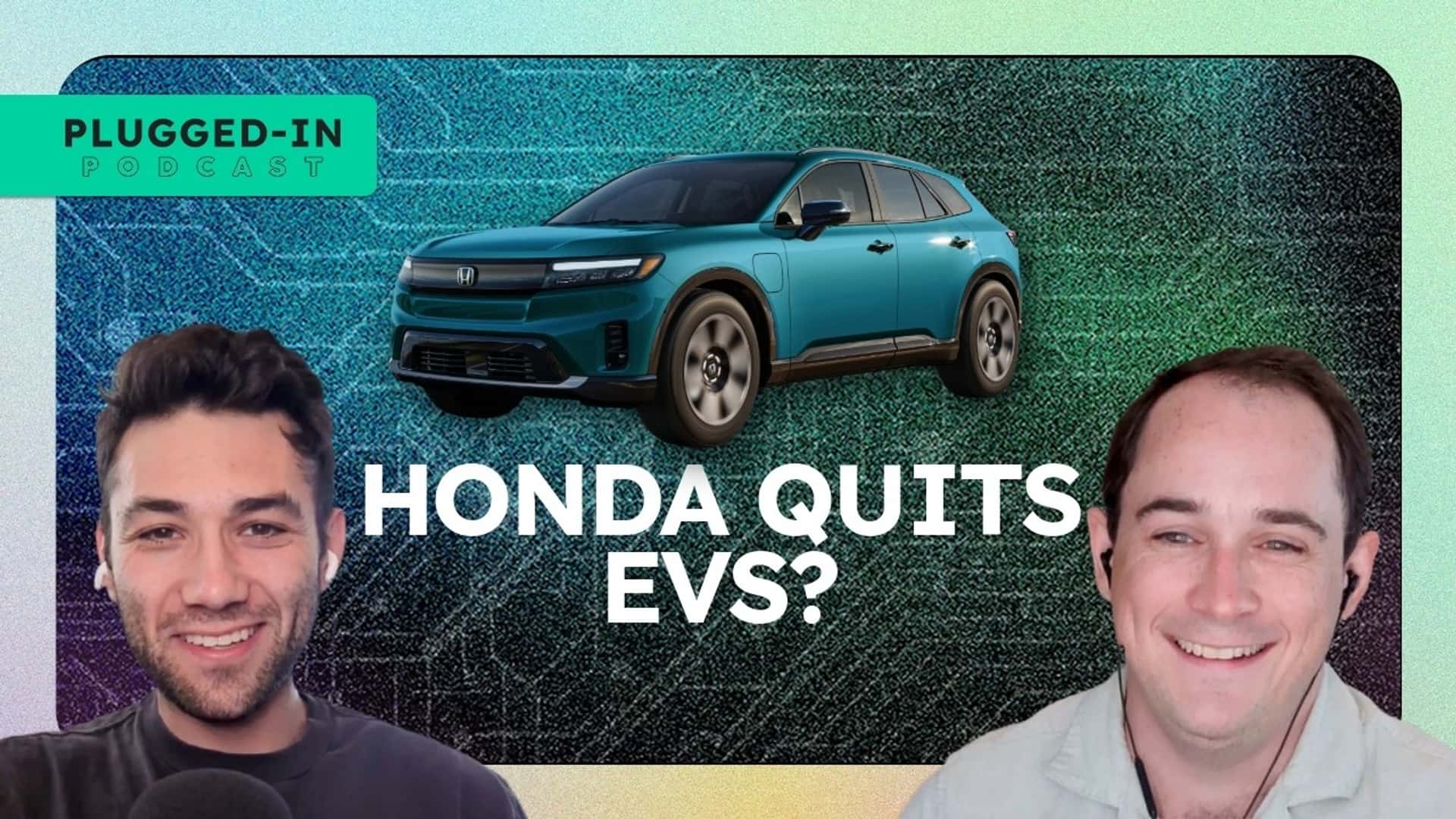
Evidence of this impact can be seen in strategic retreats by some automakers, including the reported cancellation of models that previously demonstrated satisfactory sales figures. The Honda Prologue, for example, is cited as a model facing such scrutiny, suggesting that the industry is grappling with shifting consumer preferences and market realities.
Broader Implications for the Automotive Industry
The current state of the used EV market has significant implications that extend across the entire automotive value chain, from manufacturing strategies to consumer adoption patterns for sustainable transportation solutions.
For automakers, the challenge is two-fold: how to stimulate demand for new electric vehicles in a landscape where attractive used alternatives are readily available, and how to balance production with evolving market demand. This requires innovative pricing strategies, enhanced technological offerings, and a clear value proposition for new models that justifies their higher cost.
Conversely, the flourishing used EV market offers a pathway to broader electric vehicle adoption. By making EVs more accessible and affordable to a wider demographic, it helps to normalize electric mobility and accelerate the transition away from fossil fuel dependence. This democratisation of EV ownership is a crucial step towards achieving large-scale environmental and energy independence goals.
Observing these evolving trends will be essential for all stakeholders as the EV industry navigates this complex period of growth and recalibration. The dynamic interplay between new and used electric vehicle prices, consumer incentives, and market demand will ultimately shape the future of transportation.
Frequently Asked Questions (FAQ)
Why are used EV prices increasing instead of decreasing?
Used EV prices are rising due to several factors, including high gasoline costs driving consumers to seek cheaper alternatives, increased awareness of EVs’ long-term benefits, a greater variety of quality used models, and the disappearance of federal tax credits for new EV purchases, pushing budget-conscious buyers to pre-owned options.
How does the end of the new EV tax credit affect the used EV market?
The discontinuation of new EV tax credits made new models more expensive, removing a key incentive for buyers. This shift has redirected many consumers, especially those exiting leases, toward the more affordable used EV market, thereby increasing demand and prices for pre-owned electric vehicles.
Are rising used EV prices good for the overall EV market?
While rising used EV prices indicate strong demand for electric vehicles and make them more accessible to a wider audience, they can also create challenges. Increased competition from used models may hinder new EV sales, potentially leading to slower growth and fewer new model introductions by manufacturers.
What does this mean for consumers looking to buy an EV?
For consumers, the current market means that a used EV could be a more financially attractive option than a new one, particularly if they are budget-conscious and seeking value without new vehicle incentives. However, they may encounter higher prices for pre-owned models than in previous years.
Why did EVs historically have terrible depreciation?
Historically, EVs faced higher depreciation rates due to factors like rapidly evolving battery technology, range anxiety, limited charging infrastructure, and initial higher purchase prices compared to ICE counterparts. These concerns often made early EV models less appealing in the secondary market.
Will new EV models continue to be canceled due to this trend?
The competition from a strong used EV market, coupled with the absence of new purchase incentives, could indeed influence automakers’ decisions regarding new model development and market strategies. Some manufacturers may reassess their portfolios, potentially leading to cancellations or delays of less competitive new EV models.