
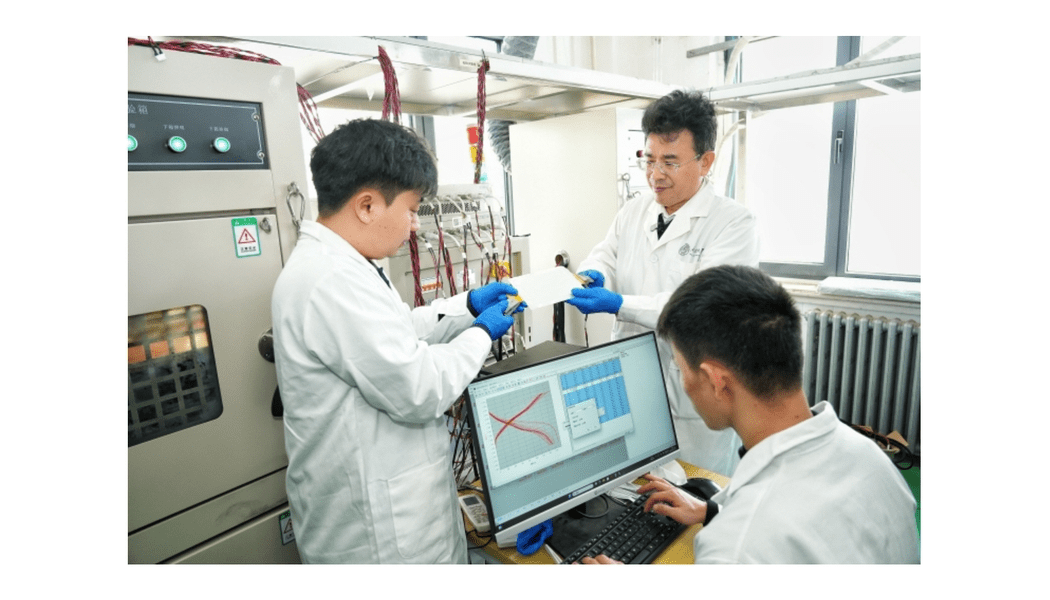
Researchers at Nankai University in China have achieved a significant breakthrough in battery technology, developing a new class of electrolytes that promise higher energy density and improved performance in extreme cold.
Advancing Battery Chemistry with Fluorinated Solvents
The innovation, detailed in the journal Nature, centers on hydrofluorocarbon (HFC) electrolytes that sidestep the limitations of traditional carbonate-based solvents commonly used in lithium-ion batteries. The Nankai University team synthesized a series of novel fluorinated hydrocarbon solvent molecules incorporating fluorine coordination.

This development allowed them to construct an electrolyte system that replaces the conventional lithium-oxygen coordination found in existing electrolytes. This modification enables a lithium metal battery to achieve reversible cycling with a remarkable specific energy of 700 Wh/kg.
Overcoming Limitations of Traditional Electrolytes
For years, oxygen atoms have been considered essential components in the solvents used for battery electrolytes. “Current lithium-ion battery electrolytes are usually composed of lithium salts and carbonate solvents,” the researchers explained.
They further elaborated on the role of these traditional solvents: “The ion-dipole interaction between lithium and oxygen in the carbonate solvents can promote the dissolution of lithium salts. However, this solvent has poor wettability and requires a large amount, which makes it difficult to further increase the energy density of the battery. The strong interaction also hinders the interfacial charge transfer in the battery and limits low-temperature performance.”

These inherent drawbacks have posed significant challenges in developing batteries that can operate efficiently across a wide range of temperatures, particularly in demanding cold environments, while simultaneously pushing for higher energy storage capabilities.
Exceptional Performance in Extreme Cold
The Nankai University team’s experimental results demonstrate the substantial advantages of their new HFC electrolytes. When tested in lithium metal pouch cells, the batteries equipped with these novel electrolytes achieved a specific energy exceeding 700 Wh/kg at room temperature.
Crucially, the technology maintained impressive performance even in sub-zero conditions. The batteries were able to deliver a specific energy of approximately 400 Wh/kg at -50° C, a temperature range where conventional batteries often experience significant performance degradation.
This capability positions the new hydrofluorocarbon electrolytes as a highly scalable and effective solution for powering devices and vehicles in extremely cold climates, addressing a long-standing challenge in battery development for harsh environments.
Implications for Future Energy Storage
The development of high-energy, low-temperature batteries is critical for the advancement of electric vehicles (EVs) and other applications that require reliable power in diverse climatic conditions. The ability to maintain high energy density at very low temperatures could significantly expand the operational range and usability of EVs in colder regions.
This research not only addresses performance limitations but also opens new avenues for material science in electrolyte design. By moving away from traditional oxygen-dependent solvent interactions, the Nankai University team has demonstrated a novel pathway towards next-generation battery chemistries.
The implications of this breakthrough could extend beyond consumer electronics and automotive applications, potentially impacting aerospace, remote sensing, and military technologies where robust performance in extreme temperatures is paramount. The scalability mentioned by the researchers suggests a potential for commercial viability, moving this advanced battery technology closer to practical implementation.