
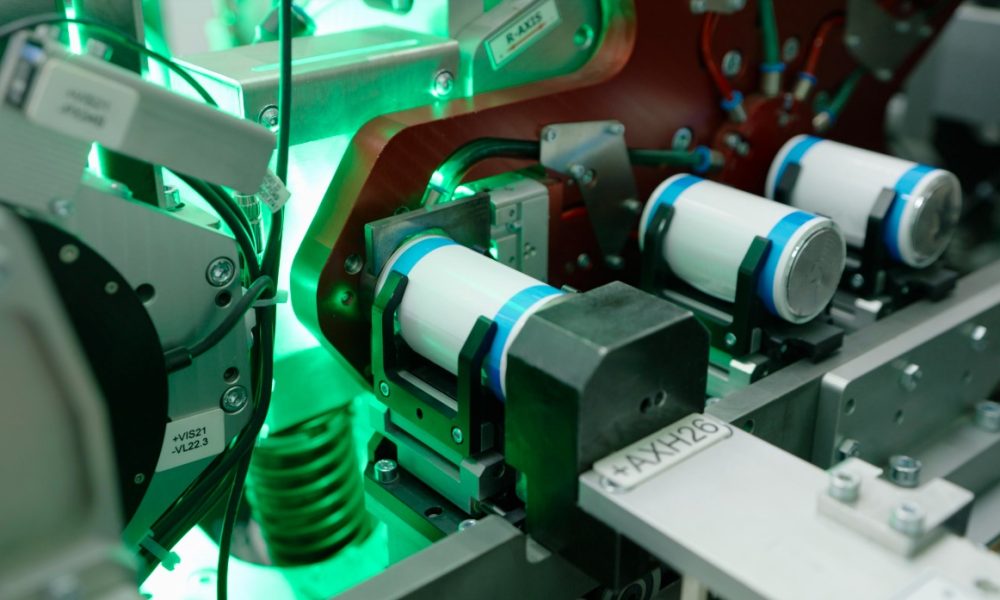
In a significant development in the ongoing legal battle over intellectual property, Tesla has secured a permanent injunction against Matthews International, a former supplier accused of trade secret theft. The injunction prohibits Matthews from using specific stolen Tesla parts or designs in their manufacturing equipment.
Tesla Alleges Widespread IP Theft
The legal dispute centers on allegations that Matthews International, which partnered with Tesla starting in 2019 to develop equipment for the company’s 4680 battery cells, misappropriated proprietary technology. Tesla claims that Matthews copied confidential software, designs, and crucial know-how shared under strict non-disclosure agreements.

According to Tesla’s lawsuit, filed in Federal court in July 2024, Matthews International allegedly copied Tesla’s technology into machines subsequently sold to competitors. Tesla asserts that Matthews concealed these actions for three years while continuing to ship the infringing equipment.
The electric vehicle manufacturer is seeking over $1 billion in damages, alleging a deliberate and extensive theft of trade secrets critical to its battery manufacturing advancements.
Matthews International Found Liable for Damages
A recent court ruling has declared Matthews International officially “liable” for damages, although the exact financial amount is yet to be determined. The permanent injunction, issued this month, represents a major setback for Matthews International, formally banning the company from utilizing the allegedly stolen Tesla intellectual property.
Tesla Vice President Bonne Eggleston took to social media platform X to comment on the ruling. Eggleston stated that Matthews International is a supplier that “exploited customer IP through theft or deception,” and has “no place in Tesla’s ecosystem.”
Buyer beware: Matthews International stole Tesla’s DBE technology and is now subject to an injunction and liable for damages. During our work with Matthews, we caught them red-handed copying our technology—including proprietary software and sensitive mechanical designs—into… https://t.co/Toc8ilakeM
— Bonne Eggleston (@BonneEggleston) March 10, 2026
Tesla characterized the injunction as a significant victory and issued a stern warning to other companies: “Buyer beware—don’t buy from thieves.”
Matthews International Cites Arbitration Ruling
In response to the injunction, Matthews International issued its own press release, claiming a form of victory based on an arbitrator’s ruling. The company stated that the arbitrator ruled they can continue selling their own dry battery electrode (DBE) equipment to all customers and rejected Tesla’s request for a complete sales ban.
Matthews International dismissed Tesla’s claims as “nonsense,” asserting that their technology, developed over 20 years, is independent. The company maintains that the recent ruling allows them to sell their version of the equipment while explicitly blocking the use of Tesla’s specific proprietary secrets.
Tesla’s Path Forward in the Legal Arena
While the permanent injunction addresses the use of stolen technology, the core legal battle is now moving into the damages phase. Tesla has several avenues to pursue:
Calculating and Recovering Financial Penalties
Tesla can continue to press its case in court or through arbitration to determine the full extent of financial penalties. If willful theft is proven, damages could exceed the initial $1 billion demand.
Enforcement of the Injunction
Should Matthews International violate the permanent injunction, Tesla has the option to pursue contempt charges, which could result in fines or other legal sanctions.
Challenging New Patents
Tesla may also challenge any new patents filed by Matthews International that are believed to incorporate stolen Tesla intellectual property. This could involve seeking court orders to invalidate such patents or have Tesla recognized as a co-inventor.
Seeking Additional Damages
Under federal statutes like the Defend Trade Secrets Act and California state law, Tesla may be eligible to claim additional damages, including legal fees and potentially punitive awards.
Potential Criminal Charges and Settlement Prospects
In rare but serious circumstances, Tesla could refer evidence to federal prosecutors, potentially leading to criminal trade secret charges against Matthews International. While a settlement remains a possibility, Tesla’s strong public stance suggests a strong inclination towards seeking full accountability through the legal process.
Broader Implications for the EV Industry
This case underscores the critical importance of safeguarding trade secrets, even for companies like Tesla that embrace open-source initiatives for some patents. Confidential information shared in trust must remain rigorously protected.
For the broader electric vehicle industry, the Tesla-Matthews dispute serves as a stark reminder: suppliers who engage in the theft of intellectual property from their key customers risk severe legal repercussions and the potential loss of business.