
Key Takeaways (TL;DR)
- Fisker, the electric vehicle (EV) startup, is reportedly preparing for a potential bankruptcy filing, according to sources cited by The Wall Street Journal.
- The company has engaged restructuring advisors to navigate its severe financial challenges and significant debt load, which stands at over a billion dollars.
- Despite producing approximately 10,000 Ocean electric crossovers, only about half have been sold, reflecting weak market demand and distribution issues.
- Fisker has acknowledged “substantial doubt” about its ability to meet financial obligations without a critical cash infusion and is actively seeking a strategic partnership with a major automaker.
- Operational challenges, including a regulatory probe, critical reviews, and a rapidly depreciating share price, further compound Fisker’s precarious financial future.
Electric vehicle manufacturer Fisker Inc. is reportedly making preparations for a potential bankruptcy filing, a significant development that underscores the severe financial pressures facing the startup. This critical information comes from a report by The Wall Street Journal, indicating a deepening crisis for the company founded by automotive design veteran Henrik Fisker.

The report suggests that Fisker has enlisted the services of restructuring advisors, a move often undertaken by companies confronting significant financial distress. This action follows the company’s earlier disclosure to investors, where it expressed “substantial doubt” regarding its capacity to fulfill all financial obligations in the absence of a substantial cash infusion.
Mounting Financial Pressure on Fisker
Fisker’s financial challenges have intensified over recent months, raising serious questions about its long-term viability in the highly competitive and capital-intensive electric vehicle market. The engagement of bankruptcy advisors signals a proactive, albeit concerning, step in addressing these profound financial concerns.
The company’s precarious position is exacerbated by a declared debt of over a billion dollars as per its latest financial filings. Such a substantial debt load necessitates a considerable number of vehicle sales and a robust financial strategy to achieve solvency and stabilize Fisker’s financial future.

The Search for a Strategic Lifeline
In an effort to avert a potential bankruptcy, Fisker is actively pursuing additional capital and exploring a strategic partnership with a larger, established automaker. This strategic alliance is viewed as a critical pathway to secure the necessary funding and operational support for the beleaguered EV startup.
While industry rumors have suggested potential interest from companies like Nissan, the specific benefits a major automaker would derive from such a deal with Fisker remain subject to speculation. Any partnership would likely involve a thorough assessment of Fisker’s assets, technology, and market position.
Production Woes and Sales Challenges
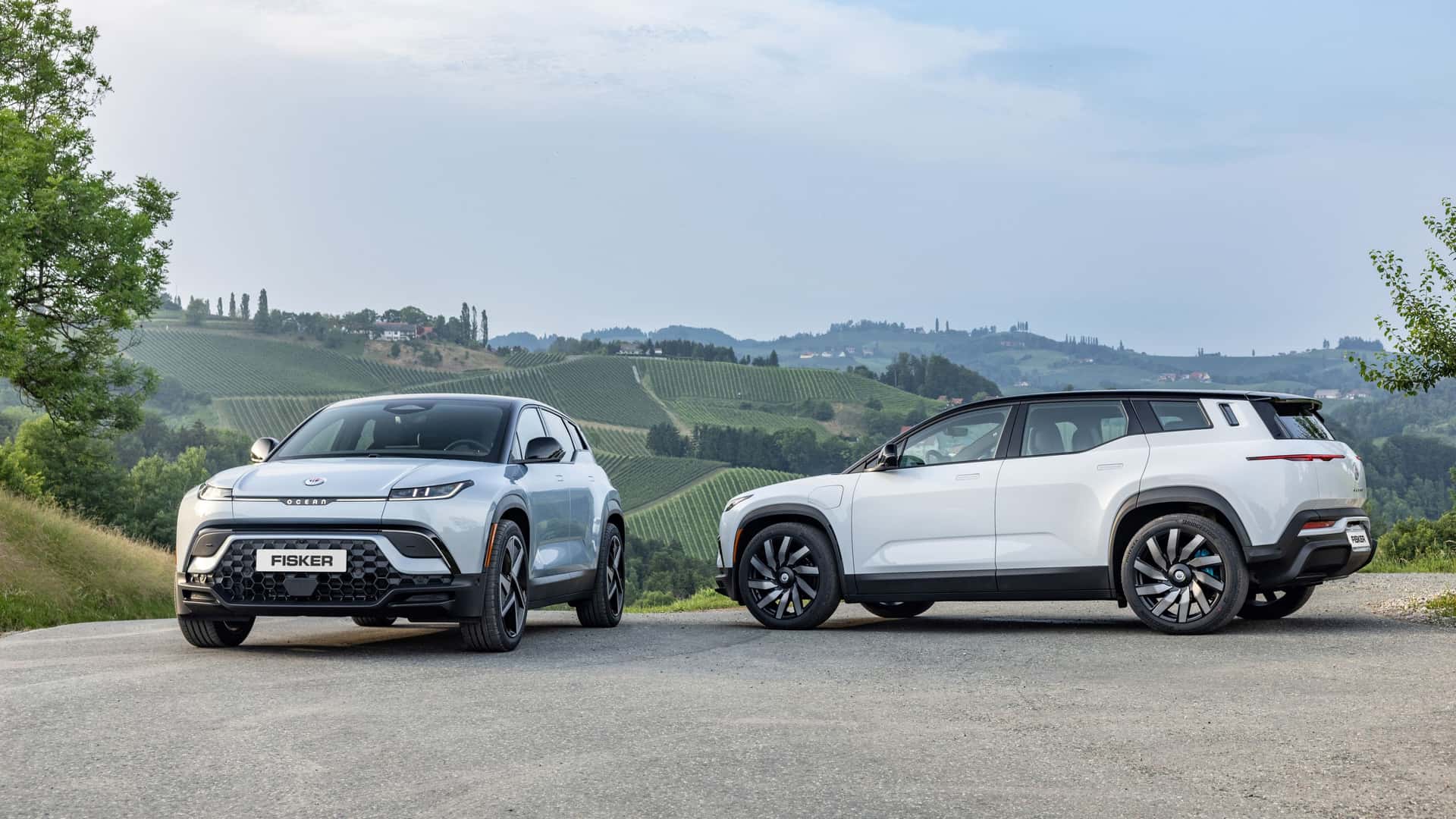
The core of Fisker’s current difficulties can be traced to a disconnect between vehicle production and sales performance. The company’s supplier, Magna, has produced approximately 10,000 units of the Fisker Ocean electric crossover, yet only about half of these vehicles have found buyers.
The launch of the Fisker Ocean last summer coincided with a period of observable slackening demand within the broader electric vehicle market. This unfavourable market timing, coupled with the company’s initial sales model, significantly impacted its ability to move inventory.
Strategic Shift to a Dealer Partnership Model
Recognising the inefficiencies of its direct-sales approach, Fisker is reportedly keen on transitioning to a dealer partnership model. This strategic pivot aims to enhance distribution capabilities and potentially boost sales volume in both North America and Europe, addressing a key operational hurdle.
However, the feasibility of implementing this new sales strategy depends heavily on the company’s ability to navigate its immediate financial crisis and secure the necessary resources to execute such a significant operational shift.
Operational Hurdles and Critical Reviews
Beyond sales and financing, Fisker has faced a series of operational and reputational setbacks. The company has been subjected to a regulatory probe concerning braking issues, which can significantly undermine consumer confidence and brand reputation.
Furthermore, the Fisker Ocean has received a “scorching review” from one of the world’s most influential tech reviewers, contributing to a broader sentiment among critics that the vehicle is not particularly compelling, even when setting aside reported bugs and operational glitches.
Declining Market Confidence and Asset Limitations
Investor confidence in Fisker has plummeted dramatically, as evidenced by its share price, which has fallen over 97% since its initial public offering. This significant decline reflects deep market skepticism about Fisker’s financial future and its capacity to compete effectively.
Adding to its structural disadvantages, Fisker lacks a U.S. production facility. This absence means its vehicles do not qualify for federal tax credits, placing them at a competitive disadvantage against other EVs assembled domestically. The company also currently has no new product offerings close to production, limiting its future revenue streams.
Fisker’s Official Response Amidst Crisis
In response to the circulating reports about its retention of bankruptcy advisors, Fisker issued a statement. The company maintained its policy on market speculation while clarifying its strategic engagements.
The statement read: “As a matter of company policy, Fisker does not comment on market rumors and speculation. However, Fisker often works with outside advisors to help manage its business and assist in developing and executing strategies. Fisker is focused on raising additional capital and engaging in a strategic partnership with a large automaker. The company is also continuing to pursue its shift to a Dealer Partnership model in both North America and Europe. The leadership team is laser-focused on these efforts.”
Conclusion: Navigating Stormy Waters
The collective weight of a billion-dollar debt, struggling sales, production cutbacks, regulatory scrutiny, critical reviews, and a plummeting share price places Fisker in an extremely precarious position. The report of engaging bankruptcy advisors suggests the company is preparing for the possibility of significant restructuring to address these pervasive financial challenges.
As Fisker endeavors to secure a vital cash infusion and forge a strategic partnership, the coming months will be crucial in determining the ultimate trajectory of the electric vehicle startup and its ability to steer clear of potential bankruptcy proceedings.
FAQ Section
What is the primary concern for Fisker currently?
Fisker is reportedly preparing for a possible bankruptcy filing, having hired restructuring advisors. This concern stems from the company’s significant debt and its own admission of “substantial doubt” regarding its ability to meet financial obligations without an urgent cash infusion.
Why is Fisker facing financial difficulties?
The company’s financial woes are attributed to several factors: a billion-dollar debt, weak demand for its Ocean EV (with only half of 10,000 units sold), production cutbacks, a failing direct-sales model, and a general slackening in the broader EV market.
What is Fisker doing to address its challenges?
Fisker is actively seeking additional capital and is focused on securing a strategic partnership with a larger automaker. Additionally, the company is attempting to transition from a direct-sales model to a dealer partnership model in North America and Europe to improve distribution.
Has the Fisker Ocean received positive market reception?
While some owners might like the cars, the Fisker Ocean has faced high-profile issues, including a regulatory probe over braking and a “scorching review” from a major tech reviewer. Most reviewers have not found the vehicle to be particularly compelling, impacting its market reception.
What are the implications of Fisker not having a U.S. production facility?
Not having a U.S. production facility means that Fisker’s vehicles do not qualify for federal tax credits. This places the company at a significant competitive disadvantage compared to other electric vehicles that are manufactured domestically and can offer these incentives to buyers.
How has Fisker’s stock performed amidst these concerns?
Fisker’s share price has experienced a dramatic decline, falling over 97% since its initial public offering. This severe drop reflects a significant loss of investor confidence and market skepticism regarding the company’s financial stability and future prospects.