
Key Takeaways:
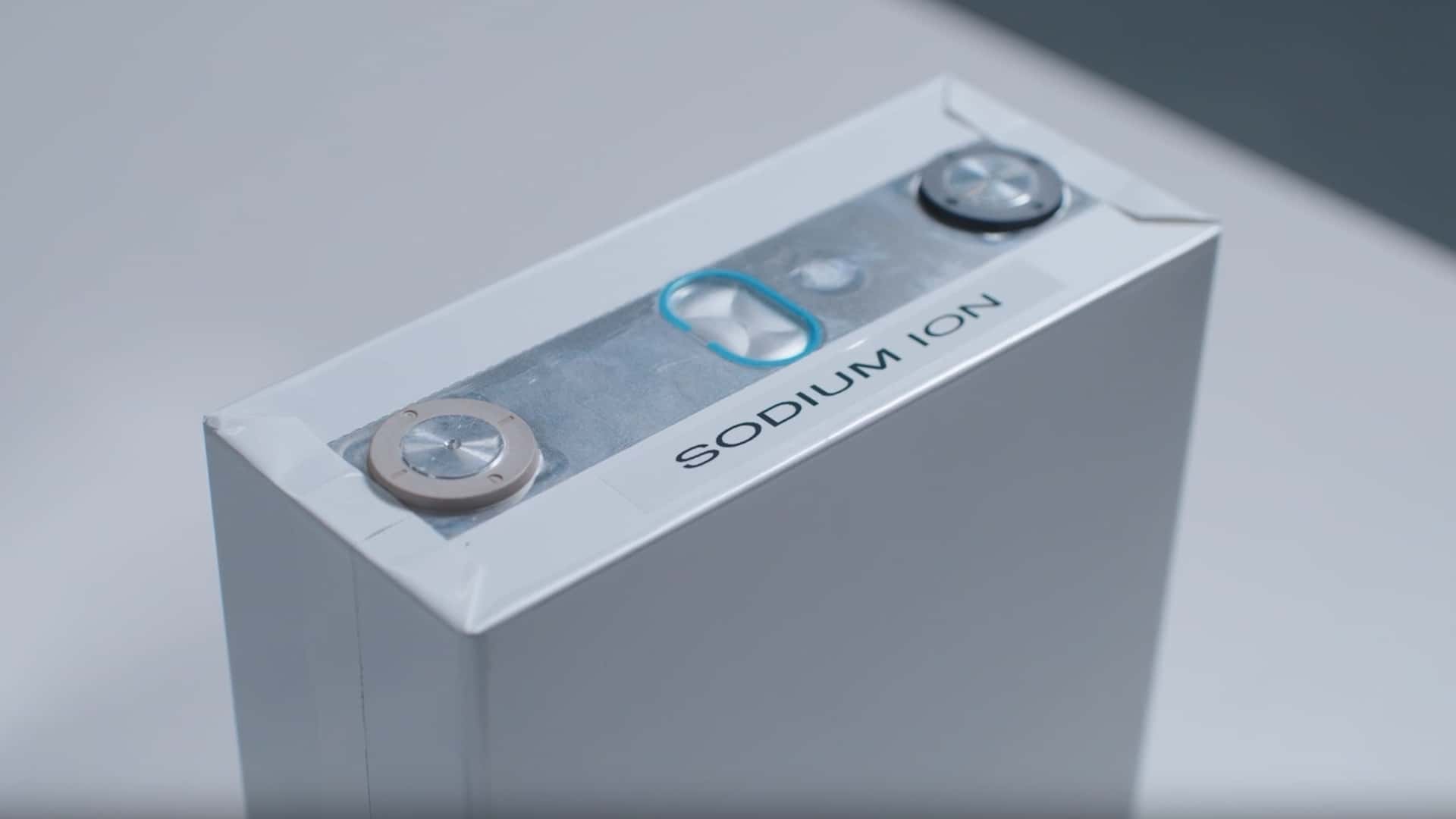
- General Motors is strategically investing in sodium-ion battery technology for grid-scale energy storage systems, marking a significant diversification in its battery portfolio.
- The automaker has partnered with U.S. startup Peak Energy, with GM Ventures providing backing for the development of purpose-built sodium-ion cells.
- Sodium-ion batteries offer crucial advantages, including superior raw material abundance, lower environmental impact, a wider operational temperature range, and enhanced cycle life compared to traditional lithium-ion chemistries.
- This move positions GM to capitalize on the rapidly expanding energy storage market, driven by increasing demand from sectors like power-hungry AI data centers and renewable energy integration.
- While Chinese companies lead in commercialized sodium-ion technology, GM’s entry signifies growing U.S. commitment to developing and domesticating this promising battery chemistry.
- GM’s broader battery strategy includes ongoing investment in lithium manganese rich (LMR) and lithium-iron phosphate (LFP) batteries, along with initiatives in battery recycling and second-life applications.
General Motors (GM) has announced a pivotal strategic initiative to bring sodium-ion battery production to America, focusing initially on large-scale energy storage systems. This move signals a significant expansion of the automaker’s battery technology portfolio, diversifying beyond existing lithium-ion chemistries such as Lithium Manganese Rich (LMR) and Lithium Iron Phosphate (LFP) cells. The commitment underscores GM’s adaptive approach to the evolving landscape of electric power and sustainable energy solutions.
The announcement comes as electric vehicle (EV) sales navigate fluctuating market dynamics, prompting major U.S. automakers to recalibrate their battery strategies. With surging demand in the energy storage market, particularly from sectors like artificial intelligence (AI) data centers requiring immense power, GM is strategically redirecting its advanced battery ambitions to meet this critical need.
The Strategic Shift Towards Sodium-Ion Technology
GM is embarking on this new venture through a collaboration with Peak Energy, a U.S. startup specializing in energy storage solutions. This partnership is designed to develop and deploy advanced sodium-ion batteries specifically engineered for grid-scale applications. GM Ventures, the automaker’s investment arm, is providing crucial backing for this pioneering effort, highlighting the strategic importance of this emerging battery chemistry.
The immediate focus of the partnership is on developing purpose-built sodium-ion cells. General Motors has outlined an aggressive timeline, with material and component development slated for the current year. This will be followed by extensive prototyping activities at GM’s state-of-the-art battery laboratory located in Michigan, leveraging its extensive expertise in battery innovation. While a specific timeline for high-volume sodium-ion battery production remains to be announced, the foundational work is well underway.
Kurt Kelty, Vice President of Battery and Sustainability at General Motors, articulated the company’s vision, stating, “We believe sodium-ion will be a defining chemistry for grid-scale energy storage systems in the years ahead.” This statement underscores the profound confidence GM places in the long-term potential and viability of sodium-ion technology for critical infrastructure.
Why Sodium-Ion? Advantages Over Lithium-Ion
The core principle behind sodium-ion batteries—storing and releasing energy—mirrors that of their lithium-ion counterparts. However, sodium as a raw material presents several compelling advantages that make sodium-ion battery production particularly attractive for stationary energy storage applications. Sodium is remarkably more abundant than lithium, being approximately 1,000 times more prevalent globally. This vast supply translates into greater material security, reduced geopolitical risks, and potentially lower overall costs for large-scale deployments.
Beyond abundance, sodium boasts a significantly lower environmental footprint throughout its extraction and processing stages. This aligns with global sustainability goals and the growing imperative for eco-friendlier energy solutions. Furthermore, GM highlights that sodium-ion cells demonstrate a broader operational temperature range, allowing them to perform efficiently in more extreme climates, from severe heat to intense cold. They also exhibit a longer cycle life, meaning they can endure more charge and discharge cycles, which is crucial for the demanding requirements of grid-scale applications.
A critical system-level benefit of sodium-ion batteries is their reduced reliance on active cooling mechanisms. Eliminating or significantly minimizing the need for complex cooling systems strips out a substantial layer of engineering complexity and associated costs from energy storage installations. Peak Energy has already demonstrated this capability, deploying what it claims is the world’s first passively cooled grid-scale sodium-ion battery at a site in Colorado. The startup is also actively engaged in multiple pilot projects across the U.S., collaborating with various renewable energy and storage firms to accelerate the widespread deployment of sodium-ion batteries.
Kelty further elaborated on these benefits, noting, “In grid-scale stationary storage systems, if we can make the cell safer and more robust, we can remove complexity elsewhere in the system.” He added, “That can translate into a quieter, simpler, lower-maintenance ESS for the customer.” These operational advantages are paramount for utilities and energy providers seeking reliable, cost-effective, and easy-to-manage solutions for grid stabilization and renewable energy integration.
Expanding GM’s Battery Portfolio
General Motors’ latest foray into sodium-ion technology broadens its diverse battery chemistry portfolio. This new addition complements its existing investments in prismatic lithium manganese rich (LMR) cells and lithium-iron phosphate (LFP) batteries. This multifaceted approach suggests GM’s understanding that no single battery chemistry will optimally serve all applications, from high-performance electric vehicles to robust grid-scale energy storage systems.
The automaker’s entry into sodium-ion battery production lends significant credibility to what has, until recently, been considered an emerging and largely unproven technology, particularly in the Western markets. This is especially relevant given that lithium iron phosphate (LFP) currently dominates the global energy storage market. While LFP production is heavily concentrated in China, it benefits from established supply chains and a proven track record of cost-effectiveness and safety compared to older chemistries like nickel manganese cobalt (NMC).
Global Landscape and Competitive Edge
General Motors contends that despite LFP’s current market dominance, improvements in LFP technology are beginning to plateau. In contrast, sodium-ion technology is still in its nascent stages of development, implying substantial room for future performance gains and efficiency enhancements. This perspective highlights GM’s long-term vision and its willingness to invest in technologies with significant growth potential.
It is, however, imperative to acknowledge the substantial head start held by Chinese battery companies in the commercialization of sodium-ion technology. Industry giant CATL, for instance, unveiled sodium-ion batteries for electric vehicles last year that can operate effectively in temperatures as low as -40 degrees Fahrenheit with minimal range degradation. These batteries also demonstrated fast-charging speeds comparable to those observed at normal temperatures, showcasing the advanced state of Chinese innovation in this field.
Bridging the Gap: Near-Term and Long-Term Strategies
While GM’s sodium-ion batteries are still several years away from full-scale production and widespread deployment, the company is implementing near-term strategies to meet current energy storage demands. Its Ultium Cells joint venture with South Korea’s LG Energy Solution is set to commence producing LFP batteries. These LFP packs will play a crucial role in supporting the immediate need for grid-scale energy storage systems, acting as an interim solution while sodium-ion technology matures.
Beyond new battery chemistries, GM is also actively pursuing sustainable solutions for existing battery assets. The company is collaborating with recycling firm Redwood Materials to redeploy 10,000 used EV batteries. These second-life batteries are intended to power data centers in Nevada, extending their useful life and contributing to circular economy principles. Furthermore, GM plans to install 100 second-life EV battery packs at one of its Michigan manufacturing plants. This installation is projected to provide 7.2 megawatts of deployable energy and generate over $3 million in electricity cost savings over the system’s operational lifespan, demonstrating practical applications for repurposed batteries.
General Motors’ latest investment in sodium-ion battery production clearly indicates that the future of energy storage and electric mobility will not be defined by a single dominant chemistry. Instead, the strategic deployment of diverse battery types, each optimized for specific applications, will be crucial. This flexibility in chemistry selection is poised to be the more intelligent and resilient long-term strategy for meeting the varied demands of the evolving energy landscape.
Frequently Asked Questions (FAQs) About Sodium-Ion Batteries and GM’s Strategy
What are sodium-ion batteries?
Sodium-ion batteries are a type of rechargeable battery that functions similarly to lithium-ion batteries but utilizes sodium ions as the charge carriers. They offer an alternative to lithium-based chemistries, leveraging sodium’s abundance and potentially lower cost for various applications, especially in stationary energy storage.
Why is General Motors investing in sodium-ion battery production?
GM is investing in sodium-ion battery production to diversify its battery portfolio and tap into the booming grid-scale energy storage market. Sodium-ion batteries offer advantages such as raw material abundance, lower environmental impact, a wider operating temperature range, and potentially lower system costs due to reduced cooling requirements.
What is Peak Energy’s role in this partnership?
Peak Energy is a U.S. startup specializing in energy storage systems. GM is partnering with Peak Energy to develop and deploy purpose-built sodium-ion cells for grid-scale applications, benefiting from Peak Energy’s existing expertise and pilot projects in this emerging technology.
How do sodium-ion batteries compare to lithium-ion batteries?
Sodium-ion batteries use more abundant and less environmentally impactful sodium instead of lithium. They can operate across a broader temperature range and offer a longer cycle life, making them resilient for grid storage. While lithium-ion currently dominates for EVs, sodium-ion presents a cost-effective and sustainable alternative for stationary applications.
When can we expect GM’s sodium-ion batteries to be in full production?
General Motors has stated that its sodium-ion batteries are still a few years away from entering full-scale production. The company plans to conduct material and component development this year, followed by prototyping at its Michigan battery lab, with a timeline for high-volume production yet to be announced.
What other battery technologies is GM pursuing?
GM maintains a diversified battery strategy that includes lithium manganese rich (LMR) cells and lithium-iron phosphate (LFP) batteries. The company also has initiatives with Redwood Materials for battery recycling and plans to deploy second-life EV batteries for applications like powering data centers and industrial plants.
Why is grid-scale energy storage becoming so important?
Grid-scale energy storage is crucial for stabilizing power grids, integrating intermittent renewable energy sources like solar and wind, and meeting the escalating electricity demand from sectors such as power-hungry AI data centers. It provides reliability, efficiency, and flexibility to modern electrical grids.
Are there any challenges for GM entering the sodium-ion market?
While sodium-ion holds promise, a key challenge is the significant head start of Chinese battery companies, such as CATL, which have already commercialized sodium-ion batteries for EVs. GM will need to rapidly scale its research, development, and production to compete and establish a robust domestic supply chain.