
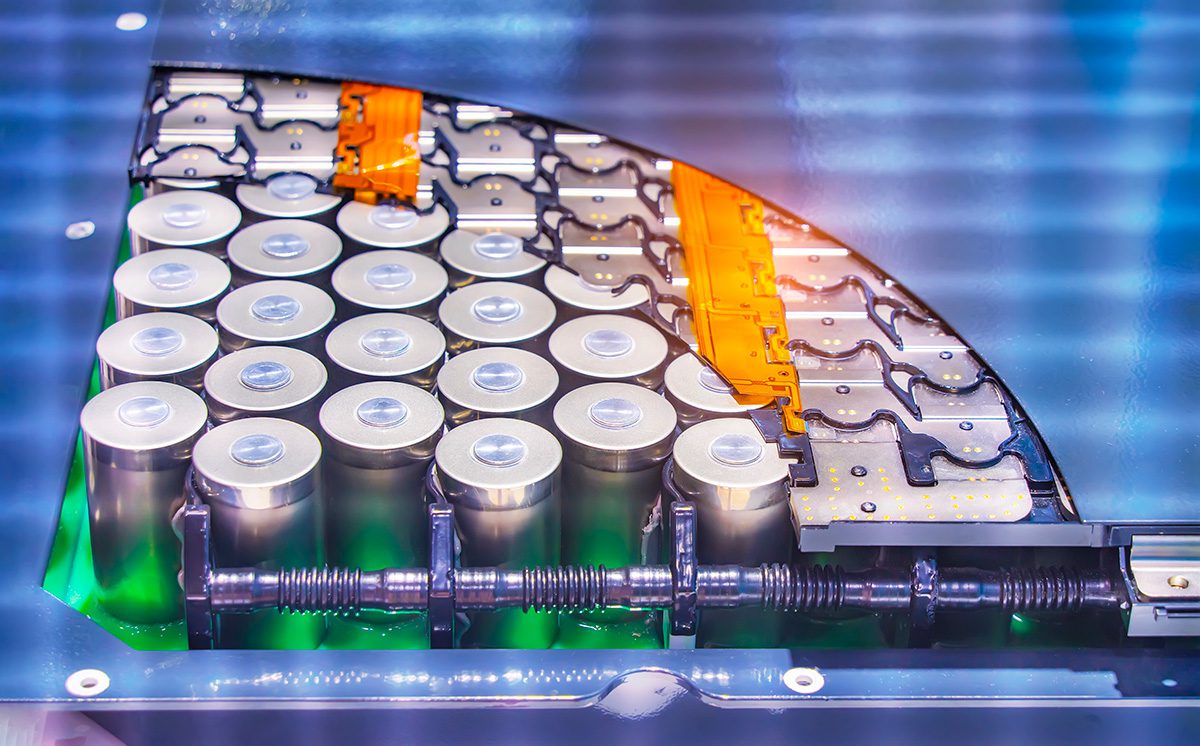
The relentless pursuit of increased battery density stands as the ultimate objective in modern battery design. While engineers strive to pack more energy into smaller volumes, these advancements must never compromise the paramount considerations of safety or cost-effectiveness. The fundamental challenge then becomes how to innovate and push technological boundaries in a manner that ensures both safety and economic viability.
At the forefront of addressing this intricate balance is the critical imperative of monitoring the state-of-health (SoH) of individual battery cells. Precise and continuous assessment of cell parameters is not merely an operational detail; it is the cornerstone upon which the reliability, longevity, and safety of an entire battery pack are built.

The Evolution of Battery Cell Monitoring: From Discrete Wires to Advanced FPCs
For decades, the standard practice for monitoring crucial ambient factors such as cell temperature and voltage relied heavily on discrete wiring. This method involved individual wires connecting each sensor to the Battery Management System (BMS), forming a complex web within the battery pack.
While functional, this approach was fraught with inefficiencies. The sheer volume of wiring introduced considerable complexity, increased the potential for wiring errors during assembly, and added unnecessary weight and bulk. Furthermore, the quality and consistency of data transmitted through discrete wiring could often be compromised, leading to less accurate insights for the BMS.
Overcoming Limitations with Flexible Printed Circuit Boards
In contemporary battery designs, a significant paradigm shift is underway, with flexible printed circuit boards (FPCs) rapidly superseding traditional discrete wiring. These FPC-based systems represent the newest generation of cell contacting solutions, marking a substantial leap forward in battery pack manufacturing technology.
The transition to FPCs is driven by their inherent ability to address the key shortcomings of their predecessors. By integrating multiple sensor connections into a single, flexible strip, FPCs streamline the entire process, yielding tangible benefits across the manufacturing lifecycle and operational performance.
Why Integrated FPC-Based Cell Contact Solutions are Essential for Modern Battery Packs
The adoption of integrated FPC-based cell contact solutions is not merely an incremental upgrade; it is a transformative development for battery technology. These sophisticated systems offer a multifaceted array of advantages that directly impact the core requirements of modern electric vehicle (EV) batteries.
Enhancing Data Accuracy and System Reliability
Accurate measurement of ambient factors like temperature and voltage is indispensable for the Battery Management System. The BMS acts as the brain of the battery pack, relying on precise data to make critical decisions regarding charging, discharging, thermal management, and overall system protection.
Integrated FPC-based cell contact solutions deliver significantly higher data quality compared to discrete wiring. Their precisely engineered traces ensure consistent signal integrity, minimising electrical noise and interference. This enhanced accuracy allows the BMS to obtain a true and real-time understanding of each cell’s condition, which is vital for preventing overcharging, over-discharging, and thermal runaway events.
Streamlining Manufacturing and Reducing Costs
One of the most compelling benefits of FPC-based systems lies in their impact on the manufacturing process. The pre-designed, integrated nature of FPCs drastically simplifies assembly. Instead of individually routing and connecting dozens or hundreds of wires, technicians can install a single FPC module, significantly reducing manual labor and the potential for human error.
This simplification translates directly into lower manufacturing costs. Reduced assembly time, fewer components, and diminished rework due to wiring mistakes contribute to a more efficient and economical production line. For battery manufacturers, this operational efficiency is crucial for scaling production and meeting the growing demand for EV batteries.
Improving Durability and Long-Term Performance
The inherent flexibility and robust design of FPCs contribute to improved durability within the harsh operating environments of battery packs. They are less susceptible to vibration-induced damage or wear and tear that can plague bundles of discrete wires. This resilience ensures a more reliable connection over the lifespan of the battery, maintaining consistent data flow to the BMS.
Furthermore, the improved reliability in data harnessing directly supports the safe maximisation of energy density. With consistently accurate data, the BMS can operate the battery closer to its theoretical limits without compromising safety, thereby extending range and improving performance for electric vehicles.
The Strategic Importance for Modern Battery Pack Efficiency
The ultimate goal for battery technology in electric vehicles is to achieve an optimal balance between high energy density, long cycle life, rapid charging capabilities, and uncompromising safety. Integrated FPC-based cell contact solutions are a cornerstone in achieving this equilibrium.
By providing superior data, simplifying manufacturing, and enhancing overall reliability, these systems empower battery designers and manufacturers to create more efficient, safer, and cost-effective battery packs. The comprehensive ‘hows and whys’ of these advanced systems are often detailed in specialised publications, such as a white paper from Churod Electronics, which highlights their pivotal role in shaping modern battery pack efficiency.
Looking Ahead: The Future of Battery Contacting Technology
As the electric vehicle market continues its rapid expansion, the demand for innovative battery technologies will only intensify. The shift towards integrated FPC-based cell contact solutions underscores the industry’s commitment to continuous improvement, seeking out technologies that offer both performance enhancements and tangible manufacturing advantages.
These advanced systems are not just a current trend but a foundational element for future battery development, enabling higher levels of integration, miniaturisation, and data-driven intelligence within battery packs. Their ability to deliver superior reliability and cost-effectiveness while ensuring critical safety parameters firmly establishes integrated FPC-based cell contact solutions as indispensable to the evolving landscape of battery manufacturing.