
Revolutionizing Thermal Management for Electric Vehicle Batteries
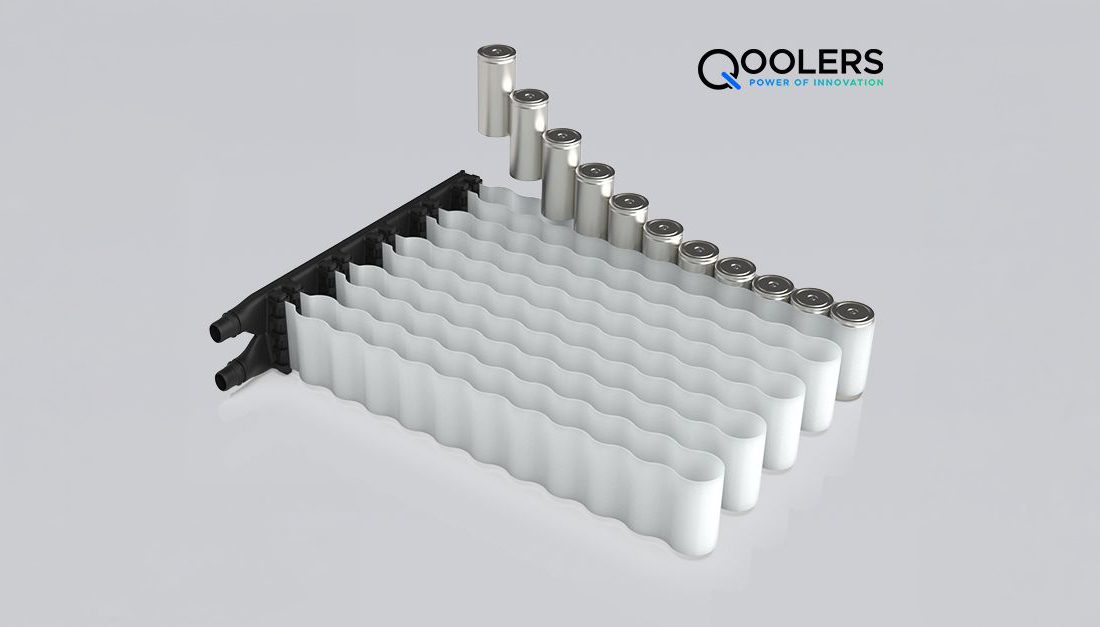
Qoolers, a Czech company, has unveiled its innovative BTMS CORE system, a tube-based liquid heat exchanger designed specifically for battery modules. This groundbreaking technology promises to significantly reduce the weight of cooling systems by over 70% when compared to traditional aluminum designs, all while ensuring precise thermal control.
Enhanced Thermal Stability and Efficiency
The BTMS CORE is engineered to maintain battery cells within an optimal operating temperature range of 20°C to 40°C. This is achieved through direct contact with the tubes, which facilitates both cooling and heating functions. According to Qoolers, this unique architecture enhances thermal uniformity across the entire battery module.

Such uniformity is crucial for preventing the formation of hotspots. These hotspots can accelerate battery degradation and compromise the performance of fast charging capabilities, issues that Qoolers’ system aims to mitigate effectively. By ensuring a consistent temperature, the longevity and reliability of EV batteries are significantly improved.
Performance Metrics and Environmental Benefits
Qoolers reports that the BTMS CORE offers a heat transfer rate that is an impressive 3.4 times faster than conventional cooling systems. Furthermore, the system boasts a 29% improvement in efficiency. These figures highlight the advanced thermal management capabilities of the new technology.
Beyond its performance advantages, the BTMS CORE is also designed with sustainability in mind. The company states that the system is more than 90% recyclable, aligning with the growing demand for eco-friendly solutions in the automotive industry. The modular, tube-based design is intended to streamline the integration process into various battery module configurations, supporting both series and parallel layouts.

Broad Application Across Industries
Qoolers is positioning BTMS CORE for a wide array of applications, including electric vehicles (EVs), energy storage systems, robotics, and any other high-power applications where effective thermal management is critical. The system is particularly beneficial for battery packs where minimizing weight and optimizing packaging are paramount.
The impact of lighter cooling hardware in battery systems cannot be overstated. Every kilogram saved on thermal management is a kilogram that can be reallocated to battery cells, increasing range, or dedicated to payload capacity. This weight reduction is a significant, often underestimated, advantage in the development of more efficient and capable electric vehicles and other power-intensive technologies.
The Importance of Thermal Management in EVs
Maintaining batteries within their ideal temperature range is fundamental to their performance and lifespan. Extreme temperatures, whether too hot or too cold, can lead to reduced capacity, slower charging speeds, and accelerated degradation. Effective thermal management systems are therefore essential components of modern EVs.
Traditional thermal management systems often rely on bulky heat sinks or complex liquid cooling plates. While effective, these solutions can add considerable weight and volume to the battery pack. Qoolers’ tube-based approach offers a novel solution to these challenges, providing a more integrated and lightweight alternative.
Qoolers’ Contribution to EV Technology
The development of BTMS CORE by Qoolers represents a significant step forward in EV battery thermal management. By focusing on weight reduction and enhanced thermal uniformity, the company is addressing key challenges faced by manufacturers aiming to improve the overall efficiency, performance, and range of electric vehicles.
As the EV market continues to expand, innovations in battery technology, including thermal management, will be crucial for meeting consumer demands and driving wider adoption. Qoolers’ commitment to developing advanced, lightweight, and efficient cooling solutions positions them as a key player in the evolving landscape of electric mobility.
The emphasis on recyclability also underscores a broader industry trend towards more sustainable manufacturing processes. As regulations tighten and consumer awareness grows, companies that prioritize environmental impact in their product design are likely to gain a competitive edge.