
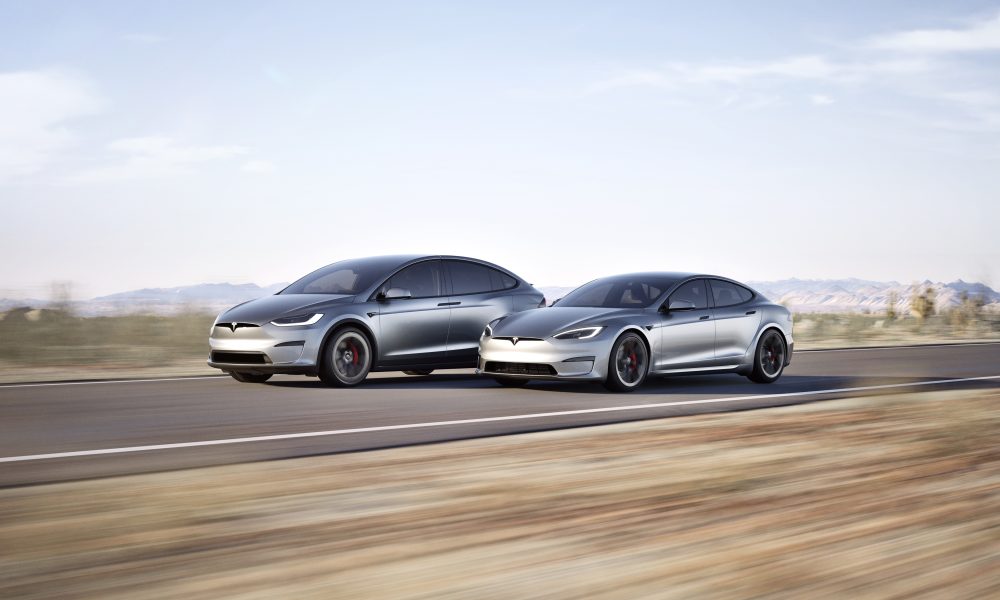
In a significant strategic pivot, Tesla has officially commenced the planned phase-out of its iconic Model S sedan and Model X SUV, marking the definitive conclusion for two vehicles that played a pivotal role in establishing the electric automaker’s dominance and disrupting the global automotive industry. The process, which has been anticipated for months, gained formal traction with Tesla’s Korean division setting a firm cutoff date of March 31, 2026, for new orders of both luxury electric models.
This announcement from South Korea represents the first public declaration of a hard global deadline for new orders of the Model S and Model X. Following this date, availability of these vehicles in the country will be restricted solely to existing inventory, underscoring a clear transition away from continuous production for these long-standing flagships.

The Dawn of a New Era: Winding Down a Legacy
The decision to initiate the Tesla Model S Model X phase-out signals a profound shift in the company’s manufacturing and product strategy. The Model S, introduced in 2012, was instrumental in proving that electric vehicles could not only compete with but also surpass traditional luxury sedans in performance, technology, and desirability.
Its groundbreaking design, range capabilities, and early adoption of advanced software features set new benchmarks for the automotive sector. Similarly, the Model X, with its distinctive Falcon Wing doors and unparalleled practicality for an electric SUV, redefined expectations for family haulers in the premium segment.
For over a decade, these vehicles served as technological showcases, embodying Tesla’s innovative spirit and commitment to sustainable transportation. Their journey from niche offerings to globally recognized symbols of electric luxury has been central to Tesla’s narrative as a trailblazing automotive disruptor.

Strategic Repurposing: The Optimus Robotics Vision
The move to bring closure to the Model S and Model X directly aligns with CEO Elon Musk’s long-term vision for Tesla. During the Q4 2025 Earnings Call in January, Musk acknowledged the profound contributions of these vehicles, stating they deserved an “honorable discharge” for their foundational role within the company.
A primary driver behind this strategic Tesla Model S Model X phase-out is the imperative to repurpose existing manufacturing lines for the high-volume production of the Optimus humanoid robot. Tesla has articulated ambitious targets for Optimus, aiming to achieve an annual production rate of up to one million units.
This massive scale of robotics manufacturing necessitates a reallocation of resources and production capacity, making the discontinuation of the Model S and Model X a critical component of Tesla’s future-oriented strategy in artificial intelligence and robotics.
Navigating Market Shifts: Declining Sales and Intensified Competition
While the Model S and Model X have undeniably left an indelible mark, their market performance has seen a notable decline in recent years, contributing to the rationale for their discontinuation. In 2025, these two premium models collectively represented approximately 3 percent of Tesla’s total global deliveries.
This figure reflects a significant reduction from their peak contributions in earlier periods. The Model S, for instance, experienced sales drops exceeding 50 percent year-over-year in certain quarters, indicating a substantial shift in consumer demand and market dynamics.
The luxury electric vehicle segment has become increasingly competitive, with established automakers and new entrants vying for market share. Concurrently, there has been a pronounced shift in buyer preferences towards more accessible and affordable options, notably Tesla’s own Model 3 sedan and Model Y SUV.
The Model X, despite its unique appeal and functionality, faced similar pressures from a growing array of rivals, including well-received models like the Rivian R1S and BMW iX, which further fragmented the premium electric SUV market.
Technological Acumen Amidst Market Evolution
Despite the commercial pressures leading to the Tesla Model S Model X phase-out, both vehicles continue to stand as testaments to Tesla’s engineering prowess. Their ‘Plaid’ variants, for example, remain benchmarks for blistering acceleration and high-performance electric driving.
These models are also equipped with advanced Full Self-Driving (FSD) capabilities and feature luxurious interiors that showcase Tesla’s commitment to cutting-edge technology and premium comfort. Their enduring technical sophistication highlights that the decision to discontinue them is rooted in strategic realignment rather than a lack of innovation.
The phase-out, therefore, is not a reflection of the vehicles’ inherent capabilities but rather a deliberate move to free up resources and focus on Tesla’s overarching strategic priorities: advancing autonomy, scaling robotics, and delivering higher-volume vehicles.
The Future of Fremont: A Hub for Automotive and Robotics Innovation
The Fremont factory, which has been the primary production site for the Model S and Model X, is poised for a significant evolution rather than a reduction in activity. Tesla has confirmed that the facility will continue its crucial role as a key automotive manufacturing hub, focusing on the production of the refreshed Model 3 and Model Y.
Simultaneously, the factory will expand its operations to integrate robotics manufacturing, especially for the Optimus robot. This strategic shift is not expected to lead to job losses; instead, Tesla anticipates a potential increase in headcount as Optimus production ramps up to meet its ambitious targets.
This transition underscores Tesla’s commitment to maintaining its manufacturing footprint while diversifying its production portfolio to align with its future vision, blending established automotive production with revolutionary robotics development.
A Bittersweet Farewell: Customer Sentiment and Enduring Support
For many enthusiasts and early adopters, the Tesla Model S Model X phase-out represents a bittersweet moment. These vehicles are deeply ingrained in the history of electric mobility, having inspired a generation of EV drivers and played a critical role in popularizing electric cars.
The Model S’s launch in 2012 was a watershed moment, demonstrating that electric vehicles could be compelling, high-performance, and luxurious alternatives to internal combustion engine cars. The Model X, with its innovative design and family-friendly features, also carved out a unique space in the market, with many fans advocating for its continued production due to its appeal for larger families.
Despite the winding down of new orders, current and future owners of the Model S and Model X can expect continued robust support from Tesla. The company has affirmed its commitment to providing ongoing software updates, service, and parts for these vehicles for years to come, ensuring their longevity and functionality for existing customers.
Looking Ahead: Tesla’s Unwavering Focus on Future Products
With the Model S and Model X transitioning out of active production, Tesla’s strategic focus intensifies on its upcoming product lines, particularly the Optimus robot. The ambitious goal of producing millions of humanoid robots annually is a monumental undertaking that requires significant dedicated manufacturing capacity and engineering expertise.
This pivot highlights Tesla’s evolving identity from solely an electric vehicle manufacturer to a broader technology company deeply invested in artificial intelligence, robotics, and sustainable energy solutions. The decision to conclude the production of its longest-running models underscores a bold, forward-looking strategy that prioritizes next-generation innovations and high-volume, transformative technologies.
The Model S and Model X have undeniably fulfilled their mission, paving the way for a future where electric vehicles are mainstream and advanced robotics are an integral part of production. As Tesla embarks on this new chapter, the industry watches closely to see how this strategic realignment will shape its trajectory and impact the technological landscape in the years to come.