
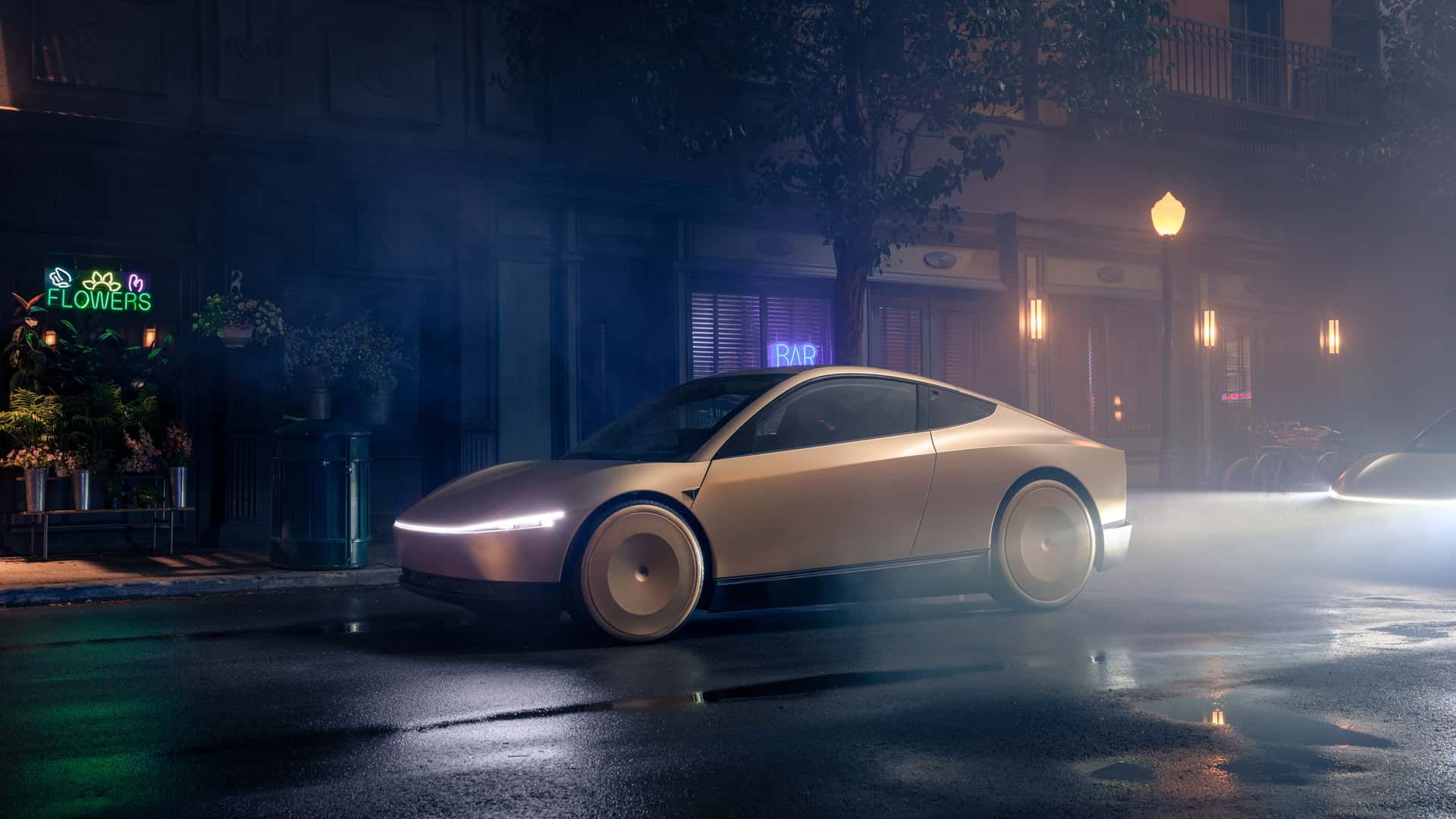
Tesla, a pioneer in electric vehicles and autonomous technology, is embarking on a significant expansion of its charging infrastructure, specifically tailoring it for its anticipated Robotaxi fleet. This strategic move aims to create dedicated Tesla Robotaxi Superchargers, moving beyond the current reliance on public charging points and signaling a pivotal shift in the operational logistics of its self-driving ambitions.
The announcement underscores Tesla’s commitment to building a robust ecosystem to support its vision of a future dominated by autonomous ride-hailing services. As the company continues to refine its driverless technology, the development of a purpose-built charging solution becomes critical for seamless, efficient, and scalable operations.
Key Takeaways
- Tesla is developing dedicated Supercharger stations exclusively for its Robotaxi fleet.
- Currently, human operators manually plug in driverless electric cabs at public Superchargers, primarily during night hours.
- This interim manual process is expected to transition to fully automated charging solutions for future Tesla Robotaxi Superchargers.
- The Cybercab, unveiled in 2024, is designed with a 48 kWh battery capacity and is slated to support only wireless charging at speeds up to 25 kilowatts.
- Future charging stations will be strategically located in high-demand areas, balancing cost-efficiency with optimal service delivery for the autonomous fleet.
The Evolution of Tesla’s Charging Infrastructure for Autonomous Vehicles
The electric vehicle (EV) giant’s charging network, widely recognized for its extensive reach and reliability across North America, is set for a strategic adaptation. Max de Zegher, the head of Tesla’s North American Charging unit, recently confirmed plans for these bespoke stations designed to cater exclusively to its expanding fleet of Robotaxis.
Presently, Tesla’s driverless electric cabs utilize the existing public Supercharger network. This arrangement necessitates human intervention, with operators manually connecting the vehicles to charging points, typically under the cover of night. This manual process, while functional, highlights a temporary phase in the broader evolution of Tesla’s autonomous mobility strategy.
The transition to dedicated Tesla Robotaxi Superchargers is a clear indicator of Tesla’s long-term vision. Such infrastructure is vital for the eventual widespread deployment of autonomous taxis, ensuring they can operate continuously without human oversight for essential tasks like recharging.
Towards Fully Autonomous Charging Solutions
Max de Zegher hinted at the impending automation of this crucial step, stating, "They’re plugged in manually, but that’s just for now." This statement suggests that the future Tesla Robotaxi Superchargers will eliminate the need for human operators, enabling a fully automated charging sequence. While specifics on the exact mechanism for autonomous connection remain under wraps, this strategic direction is consistent with Tesla’s broader push towards end-to-end self-sufficiency for its autonomous fleet.
Tesla has previously explored concepts such as a robotic charging arm, an idea that surfaced over a decade ago but has yet to materialize commercially. The renewed focus on dedicated infrastructure for the Robotaxi fleet, coupled with the emphasis on automation, points towards significant advancements in charging technology tailored for driverless electric vehicles.
Wireless Charging: A Game-Changer for Cybercab
A key development in this autonomous charging paradigm appears to be wireless technology, particularly for Tesla’s new Cybercab. Unveiled in 2024, this gold-colored, two-door EV is reportedly designed to support only wireless charging. This approach makes eminent sense in a fully autonomous environment, where vehicles can independently position themselves over inductive charging pads, eliminating the need for precise manual or robotic plug-in connections.
In a video released in October 2024, the Cybercab was demonstrated wirelessly charging at a rate of up to 25 kilowatts (kW). While 25 kW might not be considered ‘fast’ by current high-power DC fast charging standards, it offers a practical solution for driverless operation. The Cybercab’s battery capacity is noted to be just 48 kilowatt-hours (kWh), as per documents filed with the Environmental Protection Agency. This implies that a two-hour charging session at 25 kW could theoretically provide a full charge, aligning with the operational needs of an autonomous taxi service.
Strategic Deployment of Tesla Robotaxi Superchargers
The deployment of these forthcoming Robotaxi-specific Superchargers will be guided by strategic considerations. Tesla plans to establish these facilities in areas characterized by high demand for autonomous services, where land acquisition is economical, and capital expenditures can be effectively managed. This careful site selection is paramount for optimizing the economic viability of the Robotaxi business.
A critical operational objective for these dedicated sites is the ability to facilitate back-to-back charging sessions. This ensures maximum utilization rates for the charging infrastructure, a key factor in improving the overall efficiency and profitability of an autonomous fleet. The strategic placement of Tesla Robotaxi Superchargers will therefore be a significant determinant of the service’s success.
Current Operations and Fleet Management
Until the dedicated Tesla Robotaxi Superchargers are fully operational, the existing fleet of driverless Model Ys and Cybercabs will continue to rely on public Superchargers. It is important to note that none of the public Supercharger locations currently offer wireless charging capabilities, reinforcing the interim nature of the present charging method.
Max de Zegher clarified that when using public stations, cars transporting passengers are given priority for charging. Furthermore, the sophisticated Trip Planner fundamentals, which govern the active navigation systems across all Tesla vehicles, are being adapted to efficiently dispatch robotaxis to available charging points. This intelligent fleet management system is crucial for minimizing downtime and ensuring continuous service availability, even under the current charging constraints.
Challenges and Opportunities in Autonomous EV Charging
The journey towards a fully autonomous charging ecosystem presents both challenges and unprecedented opportunities. Developing reliable and robust automatic charging mechanisms, whether through robotic arms or widespread wireless inductive pads, requires significant technological innovation and infrastructure investment. Ensuring safety, interoperability, and efficiency across a large fleet of self-driving electric vehicles will be paramount.
However, the advent of dedicated Tesla Robotaxi Superchargers promises substantial operational advantages. It will enable Tesla to manage its autonomous fleet with greater precision, reduce labor costs associated with manual charging, and potentially integrate renewable energy sources more effectively into its charging infrastructure. This evolution is not just about charging cars; it’s about enabling a new paradigm of urban mobility and logistics.
Conclusion
Tesla’s initiative to build dedicated Supercharger stations for its Robotaxi fleet marks a significant stride towards realizing its long-held vision of autonomous transportation. By moving from manual operations to potentially wireless and fully automated charging, the company is laying the groundwork for a highly efficient, scalable, and truly driverless future. The strategic development of these Tesla Robotaxi Superchargers is not merely an infrastructure upgrade but a foundational element that will define the operational blueprint for future autonomous ride-hailing services, propelling the electric vehicle industry into its next transformative phase.
FAQ Section
What are Tesla Robotaxi Superchargers?
Tesla Robotaxi Superchargers are dedicated charging stations that Tesla plans to build specifically for its autonomous Robotaxi fleet. These stations are designed to move beyond the current manual charging process at public Superchargers, aiming for automated and highly efficient power replenishment for self-driving electric vehicles.
How are Tesla Robotaxis currently charged?
Currently, Tesla’s driverless electric cabs utilize public Supercharger stations. Human operators are responsible for manually plugging in these vehicles, typically during night hours when public demand for charging might be lower. This is an interim solution as Tesla works towards fully automated charging for its autonomous fleet.
Will future Robotaxi Superchargers be automated?
Yes, Tesla has indicated a clear intent for future Robotaxi Superchargers to be fully automated. Max de Zegher, Tesla’s North American Charging head, stated that manual plugging is "just for now," hinting at upcoming solutions that will not require human intervention for connecting the vehicles to the charging infrastructure.
Does the Cybercab support wireless charging?
The Tesla Cybercab, unveiled in 2024, is designed exclusively to support wireless charging. This feature is crucial for its role as a driverless vehicle, allowing it to position itself over inductive charging pads without any human assistance. A video from October 2024 showcased the Cybercab charging wirelessly at up to 25 kilowatts.
What is the Cybercab’s battery capacity and charging time?
According to documents filed with the Environmental Protection Agency, the Tesla Cybercab features a battery capacity of 48 kilowatt-hours (kWh). At a wireless charging rate of 25 kilowatts, the vehicle could theoretically achieve a full charge in approximately two hours. This capacity and charging speed are tailored for autonomous taxi operations.
Where will dedicated Robotaxi Superchargers be located?
Tesla plans to strategically locate these dedicated Supercharger stations in areas with high demand for autonomous services. Key considerations for site selection include economical land costs and the ability to maintain low capital expenditures. The goal is to maximize the utilization rates of these sites through back-to-back charging sessions for the Robotaxi fleet.