
In a notable pivot from its long-standing marketing ethos, electric vehicle giant Tesla is reportedly increasing its advertising efforts on social media platforms. This adjustment marks a departure from the company’s historical reliance on organic growth and word-of-mouth, signaling a strategic evolution in its approach to reaching consumers.
A Shift from Near-Zero Advertising
For over a decade, Tesla has been an outlier in the automotive industry, largely eschewing traditional advertising and marketing expenditures. This strategy was famously championed by CEO Elon Musk, who stated in 2019 via X (formerly Twitter), “Tesla does not advertise or pay for endorsements. Instead, we use that money to make the product great.” This philosophy underpinned a model that prioritized product innovation and customer satisfaction to drive demand.

The company’s U.S. advertising spend in 2022 was a mere $152,000, a figure almost negligible when compared to industry giants. For context, General Motors reportedly spent $3.6 billion on advertising the following year. While traditional automakers allocated an average of approximately $495 per vehicle for advertising, Tesla’s expenditure in this area was effectively zero. This approach suggested a deep-seated belief that a superior product would naturally attract buyers, negating the need for costly promotional campaigns.
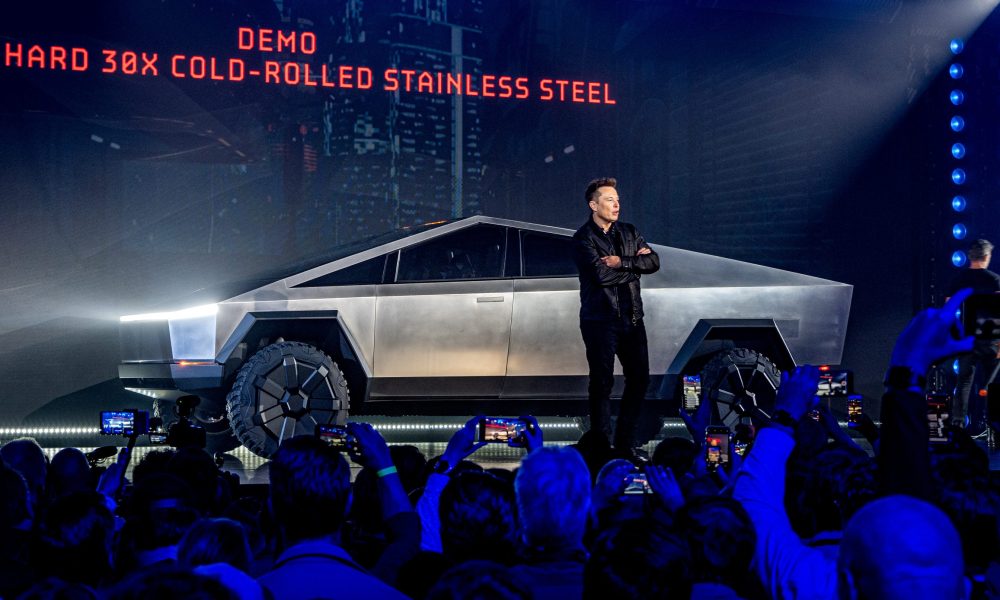
Tesla’s prior strategy was built on several pillars: enthusiastic customer testimonials, Musk’s substantial social media presence, high-profile product launches that generated significant media attention, and a robust customer referral program. The core argument was that resources better allocated to research and development, where Tesla invested significantly more per car than its competitors, would yield a more compelling product that could effectively market itself.
Targeted Social Media Campaigns Emerge
Recent observations indicate Tesla has been placing advertisements on prominent social media platforms, including Facebook and YouTube. On Facebook, ads promoting the company’s Full Self-Driving (Supervised) capability have been spotted. Simultaneously, YouTube has featured advertisements from Tesla’s Energy Division, specifically highlighting its Powerwall battery systems.

One such ad, promoting the company’s energy solutions, was shared on X by TESLARATI, with the accompanying text stating, “Tesla also threw up some ads on YouTube for Energy.” This visual evidence suggests a more active role in digital advertising than previously seen.
Strategic Timing and Rationale
The timing of these social media campaigns appears to be strategic, coinciding with significant business developments. The ads for Full Self-Driving (Supervised) emerged as the company concluded its one-time FSD purchase options and as a March 31 deadline approached for FSD transfer eligibility on new vehicle purchases. These promotions likely aim to capitalize on these specific market conditions and customer incentives.
Furthermore, the advertising for the Energy Division, offering up to $1,000 back on Powerwall batteries, could be an effort to boost sales in a competitive energy storage market. This targeted approach allows Tesla to reach specific consumer segments interested in sustainable energy solutions.
Adapting to Market Dynamics
Industry analysts suggest that Tesla’s move towards more visible advertising is a pragmatic response to evolving market dynamics. As competition in the electric vehicle sector intensifies and the company places significant emphasis on scaling its robotaxi services and energy storage solutions, relying solely on organic buzz might no longer be sufficient to meet ambitious adoption targets.
The use of selective digital advertising enables Tesla to achieve precise and cost-effective reach without necessarily abandoning its core principles of product-centric marketing. This approach allows for a more controlled and measurable way to communicate product value and company offerings.
If these targeted digital campaigns prove successful, they could signal a measured expansion of Tesla’s marketing strategy. Such an expansion could bolster revenue from high-margin software and home energy products while continuing to nurture the company’s reputation for innovation. This strategic adjustment represents an evolution in Tesla’s long-held marketing philosophy, adapted to the current landscape.
Elon Musk’s Vision and Brand Strength
Elon Musk’s initial stance on advertising was rooted in the belief that the company’s resources were better invested in product development and innovation. The company invested nearly $3,000 per car in R&D, a figure substantially higher than many rivals. This focus on creating a superior product was intended to foster strong brand loyalty and organic growth through positive customer experiences and word-of-mouth referrals.
Musk’s significant personal brand and his active presence on X have also played a crucial role in Tesla’s marketing. His direct communication with millions of followers often generates substantial publicity for the company’s ventures, effectively serving as a powerful, albeit unconventional, marketing channel.
The current foray into social media advertising can be viewed as a complementary strategy, leveraging the reach and targeting capabilities of digital platforms to enhance the impact of its established brand strength and product-focused approach. It reflects a thoughtful adaptation rather than a complete abandonment of Tesla’s unique marketing journey.
This shift indicates Tesla’s willingness to adapt its strategies to maintain its competitive edge and drive future growth, particularly in areas like software-enabled features and energy solutions, which are crucial for its long-term vision.