
Key Takeaways
- Walmart is rapidly expanding its proprietary DC fast charging network across the U.S.
- The retail giant has boosted its network by 50% in just two months, now boasting over 200 ports.
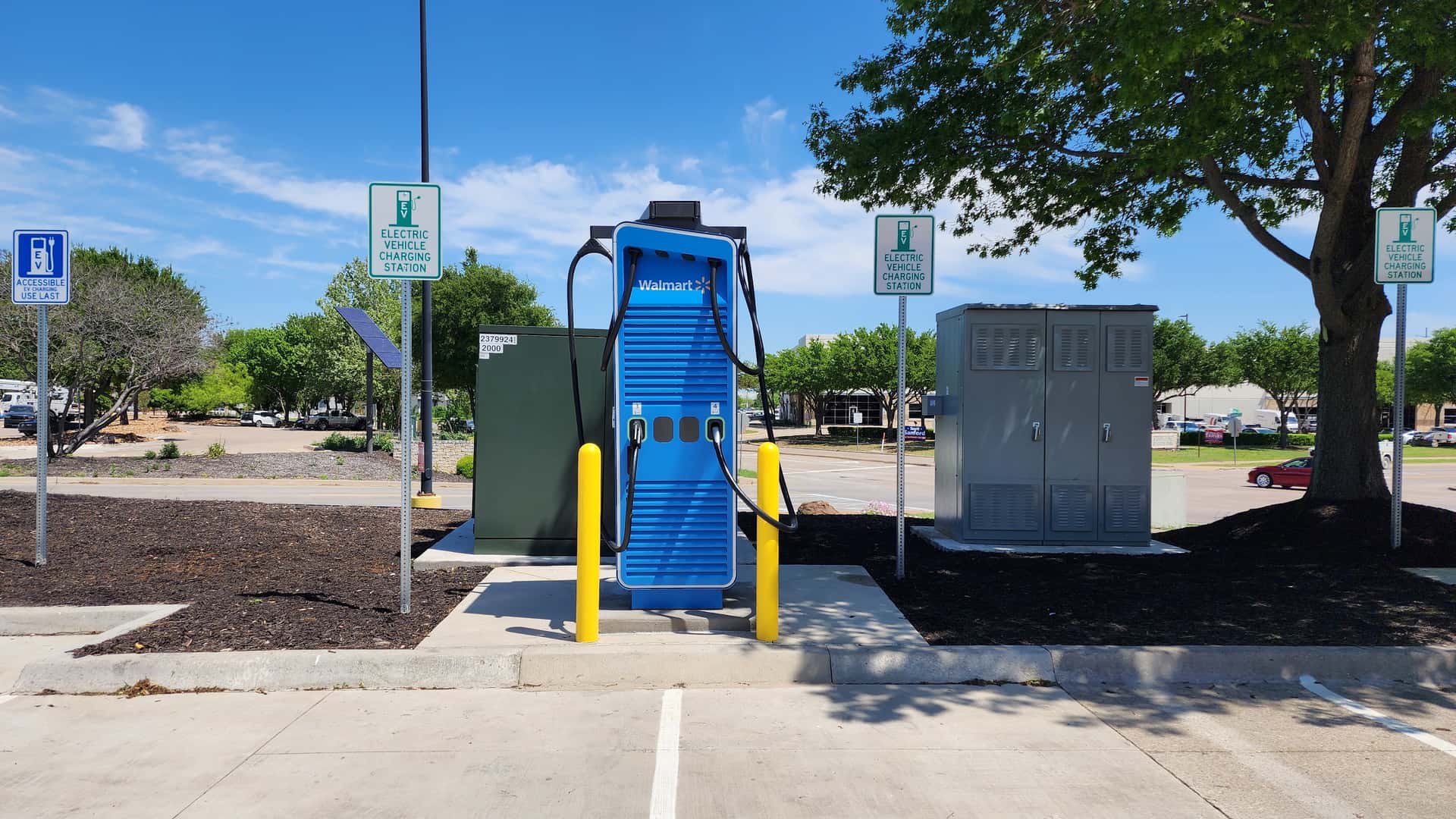
- Each station features high-powered 400-kilowatt chargers with both NACS and CCS1 connectors.
- With 112 individual dispensers operational, Walmart projects installing fast chargers at thousands of locations by 2030.
- Texas leads with 15 Walmart EV charging stations, indicating strategic geographic deployment.
- Drivers utilize a dedicated smartphone app for charging, with an average cost of $0.48 per kilowatt-hour.
In a significant push towards bolstering the nation’s electric vehicle (EV) infrastructure, retail behemoth Walmart has dramatically ramped up the deployment of its dedicated DC fast charging network across the United States. The company has announced a remarkable 50% increase in its fast-charging capabilities over the past two months alone, marking a pivotal acceleration in its commitment to the burgeoning EV market.
This rapid expansion positions Walmart as a key player in providing accessible and high-speed charging options for the growing number of EV drivers. With hundreds of ports already operational and thousands more slated for development, the retail giant is leveraging its vast footprint to address critical charging accessibility concerns nationwide.

The Accelerating Trajectory of Walmart’s EV Charging Network
Walmart, a global retail leader, has solidified its position in the electric vehicle ecosystem by increasing its self-branded charging network to over 200 ports. According to data compiled by the Department of Energy’s Alternative Fuels Data Center, and further highlighted by industry observers like EVChargingStations.com, the company now operates 31 DC fast charging stations, encompassing a total of 224 high-powered connectors.
This surge represents a strategic pivot and an intensified focus on electric vehicle infrastructure. The commitment from a company of Walmart’s scale underscores a broader industry trend towards embedding charging solutions within everyday consumer touchpoints, enhancing convenience for shoppers and commuters alike.
Advanced Charging Technology and Universal Accessibility
At the core of Walmart’s expanding infrastructure are state-of-the-art 400-kilowatt chargers, sourced exclusively from leading manufacturers such as Alpitronic and ABB. These high-capacity chargers are designed to deliver rapid energy replenishment, significantly reducing charging times for electric vehicles.

Critically, each charging stall is equipped with both a North American Charging Standard (NACS) cable and a Combined Charging System 1 (CCS1) port. This dual-connector strategy ensures broad compatibility with the majority of electric vehicles currently on the road in the U.S., including those from Tesla and other major automakers. This commitment to universal access is vital for minimizing range anxiety and facilitating wider EV adoption.
Currently, the network boasts 112 individual dispensers scattered across various Walmart locations. This operational base serves as a foundation for a far more ambitious rollout, with the company confirming plans for thousands of additional charging points in the pipeline.
A Hybrid Approach to EV Infrastructure
While Walmart is actively developing its proprietary network, the company’s engagement with electric vehicle charging is not entirely new. For years, thousands of DC fast chargers from other prominent operators, such as Electrify America, have been hosted at its store locations. This collaborative approach has already provided substantial charging access to EV owners.
The decision to enter the EV charging business directly in 2023, with the first Walmart-branded chargers becoming operational last year, marked a significant strategic evolution. This move allows Walmart greater control over the charging experience, pricing, and integration with its broader retail operations.
Initially, the development pace of Walmart’s own network was measured. The first branded locations began service in April of last year. By November 2023, the network had grown to 10 charging stations. This initial phase was followed by a period of accelerated growth, with the network doubling to 20 stations by February of the current year, and now reaching 31 operational sites. This trajectory indicates a maturing development process and a strong commitment to scaling rapidly.
Long-Term Vision and Geographic Deployment
Walmart has historically maintained a discreet stance regarding the specifics of its internal EV charging network development. However, the company has previously communicated its ambitious long-term goals, stating plans to install fast chargers at “thousands of its locations by 2030,” with projections for even further expansion beyond that decade.
This long-term vision positions Walmart as a crucial enabler of future electric mobility, potentially transforming its retail outlets into indispensable hubs for EV owners. The strategic placement of these charging stations across its extensive network of stores offers unparalleled convenience, allowing drivers to recharge their vehicles while shopping.
Strategic State-by-State Rollout
The current deployment strategy reveals a targeted geographic focus. According to data from the Alternative Fuels Data Center, the state of Texas currently leads with 15 Walmart EV charging stations. This concentration in Texas, a large state with significant driving distances and a growing EV market, highlights a strategic decision to address high-demand areas.
Following Texas, Arizona hosts six stations, Florida has three, and Oklahoma accounts for two. Other states, including Alabama, Arkansas, Georgia, New Jersey, and South Carolina, each currently feature one Walmart EV charging station. This phased rollout suggests a data-driven approach, likely considering factors such as existing EV adoption rates, population density, and major travel corridors.
User Experience and Pricing Structure
Accessing Walmart’s EV chargers requires drivers to utilize the store’s dedicated smartphone application. The absence of physical card readers at the stalls means that mobile payment through the app is the exclusive method for initiating and managing a charging session. This app-centric approach streamlines the user experience for digitally savvy drivers.
Pricing for charging services varies by location, reflecting regional operational costs and market dynamics. However, the average cost across the network currently stands at approximately $0.48 per kilowatt-hour. This transparent, per-kilowatt-hour pricing model is common in the industry, allowing EV owners to understand and manage their charging expenses effectively.
The strategic expansion of the Walmart EV charging network is not merely about adding more chargers; it represents a significant investment in the future of sustainable transportation. By integrating high-speed, universal charging solutions into its vast retail footprint, Walmart is playing a vital role in accelerating EV adoption and enhancing the overall convenience of electric vehicle ownership for millions of Americans.
FAQ Section
What is the current size of Walmart’s EV fast charging network?
Walmart has significantly expanded its proprietary DC fast charging network, now featuring over 200 ports across 31 stations in the United States. This represents a 50% increase in capacity in just two months, rapidly growing its footprint for electric vehicle drivers.
What type of chargers does Walmart install?
Walmart exclusively installs high-powered 400-kilowatt DC fast chargers from leading manufacturers like Alpitronic and ABB. These chargers are designed for rapid energy delivery, significantly reducing the time required to fully charge an electric vehicle.
Are Walmart’s EV chargers compatible with all electric vehicles?
Yes, each charging stall in Walmart’s network is equipped with both a NACS (North American Charging Standard) cable and a CCS1 (Combined Charging System 1) port. This dual-connector setup ensures broad compatibility with most electric vehicles available in the U.S. market.
How do drivers pay for charging at Walmart stations?
Drivers must use Walmart’s dedicated smartphone application to initiate and pay for charging sessions. The stations do not feature physical card readers, making the app the sole method for payment and interaction with the charging infrastructure.
What is the average cost to charge an EV at Walmart?
While pricing can vary by location, the average cost for charging an electric vehicle at a Walmart station is approximately $0.48 per kilowatt-hour. This pricing model allows for transparent cost calculation based on the energy consumed.
Which states have the most Walmart EV charging stations?
Currently, Texas leads with 15 Walmart EV charging stations. Other states with significant deployments include Arizona with six, Florida with three, and Oklahoma with two. Several other states host at least one station.
What are Walmart’s long-term plans for its EV charging network?
Walmart has stated its ambitious long-term goal to install fast chargers at “thousands of its locations by 2030.” The company also anticipates further expansion of its electric vehicle infrastructure beyond that decade, indicating a sustained commitment to supporting EV adoption.