
Key Takeaways:
- Divergent Philosophies: The 2027 Mercedes C-Class EV prioritizes luxury and traditional brand values, while the 2027 BMW i3 emphasizes cutting-edge EV technology and a distinct break from conventional design.
- Performance Edge: The launch-spec C400 4Matic offers superior power (482 hp) and torque (590 lb-ft) compared to the i3 xDrive 50 (469 hp, 476 lb-ft), reflected in its quicker 0-62 mph acceleration.
- Charging & Range Dominance: The BMW i3 boasts a larger 108.7 kWh battery, enabling a WLTP range of 559 miles (900 km) and faster 400 kW charging, surpassing the C-Class EV’s 94.3 kWh battery and 473 miles (762 km) WLTP range.
- Technological Approaches: Mercedes features a prominent, optional 39.1-inch pillar-to-pillar dashboard display, while BMW employs an integrated “shy tech” approach with a 17.9-inch center screen and a 43-inch panoramic windshield display.
- Driving Dynamics: Mercedes offers an optional Comfort and Agility Package, including adaptive air suspension and 4.5 degrees of rear-wheel steering for enhanced comfort. BMW highlights its “Heart of Joy” supercomputer for refined driving control and “limo stop” functionality.
- Bidirectional Capability: Both vehicles support vehicle-to-load (V2L) bidirectional charging, with the BMW i3 additionally confirming vehicle-to-home (V2H) and vehicle-to-grid (V2G) capabilities.
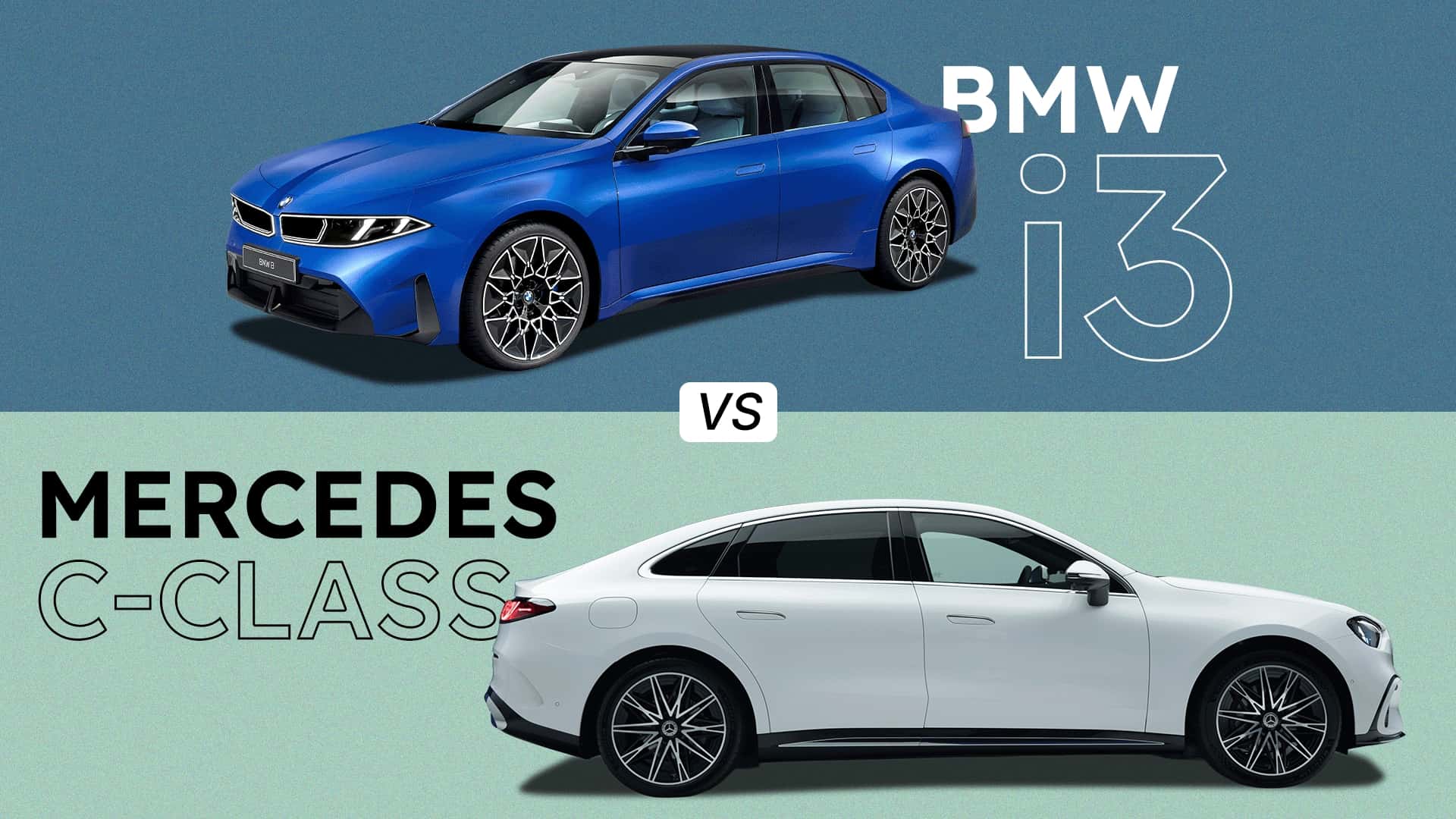
The electric automotive landscape is set to witness a significant clash in 2027 with the introduction of the Mercedes C-Class EV and the BMW i3. These two German luxury automotive giants are poised to directly compete in the compact executive electric sedan segment, yet they approach the challenge with notably divergent philosophies.

Mercedes-Benz, in its newly unveiled C-Class EV, appears to translate its hallmark commitment to opulent luxury and refinement into the electric age. Conversely, BMW’s i3 signifies a more radical departure, embracing electrification as an opportunity to redefine the brand’s traditional tenets through advanced EV technology.
A common thread binding these two premium EVs is their sophisticated 800-volt platform architecture. This advanced electrical system promises faster charging capabilities and improved efficiency, a crucial factor in the evolving electric vehicle market. Both manufacturers are integrating features that would have seemed futuristic in their earlier electric models.
While Mercedes touts the new C-Class EV as “the sportiest C-Class ever,” its inherent design and feature set still lean predominantly towards a plush, comfortable luxury experience. The BMW i3, in contrast, showcases a more overt embrace of innovation and a break from established norms, particularly in its technological integration and driving dynamics.

Preliminary specifications suggest that the BMW i3 holds an advantage in critical areas such as charging speed and overall range figures. However, the initial launch version of the Mercedes C-Class EV boasts a higher power and torque output, offering a more immediate performance edge. While complete specification lists for both models are pending, enough information has been released to provide a comprehensive comparison of these two highly anticipated electric luxury sedans.
Dimensions and Interior Dynamics: Space and Practicality
The physical footprint of these two electric challengers reveals differing approaches to interior space and passenger comfort within the premium compact executive segment. The 2027 Mercedes C-Class EV measures 192.2 inches (4.88 meters) in length and features a substantial 116.6-inch (2.96 meters) wheelbase. This makes it a notably larger vehicle in comparison to its direct rival.
The 2027 BMW i3, with a length of 187.4 inches (4.76 meters) and a 114.1-inch (2.89 meters) wheelbase, is approximately 4.8 inches (12 centimeters) shorter and has a 2.5-inch (6.5 centimeters) shorter wheelbase than the Mercedes. Furthermore, the C-Class EV is 1.1 inches (2.7 centimeters) wider and 0.9 inches (24 millimeters) taller, positioning it closer in size to Mercedes’ own gasoline-powered E-Class sedan.
Despite its larger exterior dimensions, the C-Class EV’s rear passenger accommodation has been noted as somewhat less generous than anticipated. For a six-foot individual, legroom and knee room in the rear were found to be surprisingly constrained. The i3, despite its marginally smaller external footprint, appears to offer a more accommodating rear cabin experience, potentially due to optimized interior packaging inherent in its dedicated electric platform.
In terms of cargo utility, the C-Class EV offers a practical solution with its 16.6 cubic-foot (470-liter) trunk. This is further complemented by a 3.6 cubic-foot (101-liter) frunk, providing additional storage space for charging cables or smaller items. BMW has yet to release official cargo volume figures for the i3, making a direct comparison of storage capacity currently difficult.
Powertrain and Performance Metrics: An Electrified Sprint
The performance capabilities of these electric luxury sedans present a fascinating comparison, with each brand showcasing its unique engineering prowess. The launch specification of the Mercedes C400 4Matic features a potent dual-motor powertrain, delivering a combined output of 482 horsepower and 590 pound-feet (800 Nm) of torque. This robust power enables the C400 4Matic to accelerate from a standstill to 62 mph (100 km/h) in a swift 3.9 seconds, establishing it as a formidable contender in terms of outright speed.
A key innovation in the Mercedes powertrain is its rear motor, which provides the primary propulsion and is coupled with a two-speed transmission. Mercedes engineers assert that this transmission configuration contributes to both enhanced acceleration and improved energy efficiency. Additionally, the front motor can mechanically decouple from the wheels, a design choice aimed at conserving electrical energy and maximizing range under specific driving conditions.
The BMW i3 xDrive 50, in its launch specification, shares its sophisticated powertrain with the recently reviewed iX3 model. This configuration yields 469 horsepower and 476 pound-feet (645 Nm) of torque. While substantial, this places the i3 xDrive 50 at a 13 horsepower and 114 pound-feet (155 Nm) deficit compared to its Mercedes counterpart in the initial launch versions. BMW has not yet published an official acceleration figure for the i3. However, considering that the heavier iX3, equipped with an identical powertrain, achieves 0-62 mph in 4.9 seconds, a reasonable estimate for the lighter i3 would be around 4.5 seconds.
Looking ahead, both Mercedes-Benz and BMW are expected to broaden their respective electric C-Class and i3 lineups with additional model variants. These will likely include more efficient single-motor configurations designed for extended range, as well as high-performance variants bearing the iconic AMG and M badges. The electric M3 equivalent, in particular, is rumored to feature an advanced quad-motor setup, promising sophisticated torque vectoring and significantly greater power output than current combustion models. The AMG version of the electric C-Class is reportedly slated for a three-motor arrangement, indicating a strong commitment to performance across the electrified portfolio.
Battery Technology and Charging Supremacy: Range and Rapid Refuels
In the crucial metrics of battery capacity and charging capability, the BMW i3 demonstrates a clear advantage over the Mercedes C-Class EV, positioning it strongly for long-distance travel and convenience. The BMW i3 is equipped with a larger 108.7 kWh high-voltage battery pack. This substantial energy reserve contributes to its impressive WLTP (Worldwide Harmonized Light Vehicles Test Procedure) range rating of 559 miles (900 km). In contrast, the Mercedes C-Class EV features a 94.3 kWh battery, yielding a WLTP range of 473 miles (762 km). It is important to note that WLTP figures are generally more optimistic than EPA range figures, which have not yet been released for either model.
The i3 also leads in charging speed, boasting a peak charging power rating of 400 kW. This enables it to replenish 249 miles (400 km) of range in just 10 minutes and allows the battery to charge from 10% to 80% in approximately 21 minutes. The Mercedes C-Class EV, while still offering rapid charging, has a slightly lower peak rating of 330 kW. It can add 202 miles (325 km) of range in 10 minutes and reach 10% to 80% charge in 22 minutes. Observations from charging the GLC EV suggest that Mercedes’ 800-volt architecture can sometimes exceed its stated maximum charging rating, potentially reaching over 350 kW under ideal conditions.
Further insights into BMW’s electric strategy come from leaked specifications for a single-motor, smaller-battery variant of the iX3. This model features an 82.6 kWh battery, offers a WLTP range of 395 miles (620 km), and is powered by a 315 horsepower rear motor, achieving 0-62 mph in 5.9 seconds. It is highly probable that BMW will introduce a similar single-motor variant for the i3. This could also pave the way for a single-motor i3 equipped with the larger 108.7 kWh battery, potentially delivering an exceptionally long range figure.
Both the 2027 Mercedes C-Class EV and the 2027 BMW i3 support vehicle-to-load (V2L) bidirectional charging, a feature that allows the vehicle’s battery to power external devices. Beyond V2L, BMW has additionally confirmed that the i3 will support vehicle-to-home (V2H) and vehicle-to-grid (V2G) charging, signifying a deeper integration into future smart energy ecosystems. This capability underscores BMW’s commitment to advancing the utility and versatility of its electric vehicle technology.
Infotainment and Driver Experience Technologies: Displaying Innovation
Both upcoming electric sedans from Mercedes and BMW are packed with advanced technological features, yet they manifest these innovations through distinct design philosophies. BMW embraces a concept it terms ‘shy tech,’ where much of its integrated technology remains subtly hidden until it is actively engaged or required by the user. This approach aims for a cleaner, less overtly futuristic interior aesthetic.
In contrast, the Mercedes C-Class EV adopts a more overt and demonstrative display of its technological prowess. This is exemplified by the availability of a colossal 39.1-inch pillar-to-pillar dashboard display, offered as an optional upgrade. This expansive, single-screen interface is among the largest ever seen in a production car, creating a bold and unmistakably futuristic cabin environment. The standard setup, however, consists of three separate, yet still impressive, screens.
BMW’s interior design, while technologically advanced, maintains a more restrained aesthetic. The 17.9-inch parallelogram-shaped center screen is a notable design element, conceived to echo the driver-oriented center consoles of classic BMWs. Beyond its unique shape, it functions as a high-quality, albeit conventional, infotainment display. A particularly innovative feature in the i3 is its 43-inch panoramic display, stretching across the entire lower edge of the windshield. This unique setup functions as a hybrid between a traditional screen and a head-up display, presenting crucial driving information directly in the driver’s line of sight, alongside six customizable widget slots. From experiences with the iX3, this BMW approach offers a highly intuitive and enjoyable user interface.
In terms of driving dynamics, the Mercedes C-Class EV offers an optional Comfort and Agility Package. This comprehensive package includes adaptive air suspension, which allows for dynamic adjustment of ride comfort and handling characteristics, and 4.5 degrees of rear-wheel steering. The inclusion of rear-wheel steering enhances agility at low speeds and improves stability at higher speeds. If these features perform as effectively in the C-Class EV as they did in the GLC EV, the Mercedes could achieve a breadth of comfort and adaptive driving personalities that the i3 may not be able to match without these specific enhancements.
BMW, on its part, has heavily promoted its ‘Heart of Joy’ supercomputer, an advanced central processing unit designed to meticulously control the i3’s driving characteristics. Previous experiences with this system in the iX3 SUV confirm its capability to deliver a remarkably smooth, sharp, and highly controlled driving experience. It also allows for predictable and engaging oversteer, enhancing the vehicle’s dynamic appeal. A notable comfort feature enabled by this system is the ‘limo stop,’ which gracefully brings the vehicle to a halt without the usual forward jolt, greatly enhancing passenger comfort. While the Mercedes also achieves smooth braking, the BMW’s dedicated system offers a discernible edge in this specific refinement.
The Electric Battleground: A Concluding Perspective
The impending arrival of the 2027 Mercedes C-Class EV and the 2027 BMW i3 marks a significant resurgence of a storied automotive rivalry, now redefined by the electric era. Both German powerhouses are vying for the attention of the same discerning luxury buyers, yet their visions for what constitutes an ideal electric sedan have distinctly diverged.
Mercedes-Benz appears committed to translating its established brand values of comfort, elegance, and refined luxury directly into the electric vehicle age. Its approach seeks to reassure existing customers with a familiar sense of premium quality, now powered by sustainable electric propulsion. This strategy aims to seamlessly integrate electric mobility without drastically altering the core Mercedes experience.
BMW, on the other hand, seems to be leveraging electrification as a powerful impetus to break with certain traditions and boldly innovate. While still drawing inspiration from its heritage, the i3 embodies a desire to push boundaries in EV technology, design, and user interaction. It represents a more overt commitment to defining a new, electrified identity for the brand, prioritizing cutting-edge electric performance and a fresh aesthetic.
While a direct comparison of specifications might currently suggest the BMW i3 holds an advantage in areas like range and charging speed, the choice between these two vehicles extends beyond mere numbers. It ultimately hinges on two very different interpretations of what the future of luxury electric mobility should entail, and what buyers will seek in the next generation of premium electric sedans.
The opportunity to experience and compare these vehicles back-to-back will be crucial in determining a definitive favorite. However, the continuation of this age-old rivalry in the electric age is undoubtedly a thrilling prospect for automotive enthusiasts and a testament to the dynamic evolution of the industry.
Frequently Asked Questions (FAQs)
What are the primary differences in design philosophy between the 2027 Mercedes C-Class EV and BMW i3?
The Mercedes C-Class EV aims to extend traditional luxury and comfort into the electric realm, emphasizing refinement. The BMW i3, however, uses electrification to introduce a more radical design and technology-forward approach, breaking from some brand traditions while still maintaining a premium feel.
Which vehicle offers better performance in their launch specifications?
The launch-spec 2027 Mercedes C400 4Matic has an edge in raw power and torque, with 482 horsepower and 590 lb-ft, allowing it to accelerate from 0-62 mph in 3.9 seconds. The BMW i3 xDrive 50, with 469 hp and 476 lb-ft, is slightly less powerful and is estimated to achieve 0-62 mph in around 4.5 seconds.
How do the range and charging capabilities compare for these electric sedans?
The 2027 BMW i3 surpasses the C-Class EV in range and charging. It features a 108.7 kWh battery offering a 559-mile (WLTP) range and 400 kW peak charging. The C-Class EV has a 94.3 kWh battery, a 473-mile (WLTP) range, and 330 kW peak charging, making the i3 more compelling for long-distance travel.
What unique technological features do each car offer for the interior?
Mercedes offers an optional 39.1-inch pillar-to-pillar dashboard display, showcasing its tech prominently. BMW adopts “shy tech” with a unique 17.9-inch center screen and an innovative 43-inch panoramic display integrated into the windshield, emphasizing a more subdued yet advanced user experience.
Do both vehicles support bidirectional charging, and what are their capabilities?
Yes, both the Mercedes C-Class EV and BMW i3 support vehicle-to-load (V2L) bidirectional charging, allowing them to power external devices. Additionally, BMW has confirmed that the i3 will also support vehicle-to-home (V2H) and vehicle-to-grid (V2G) capabilities, offering broader energy management options.
What are the driving dynamics differences between the C-Class EV and i3?
The C-Class EV can be equipped with adaptive air suspension and rear-wheel steering for enhanced comfort and agility. The i3 boasts BMW’s “Heart of Joy” supercomputer, which fine-tunes driving characteristics for a smooth, controlled experience and features a “limo stop” for seamless deceleration.