
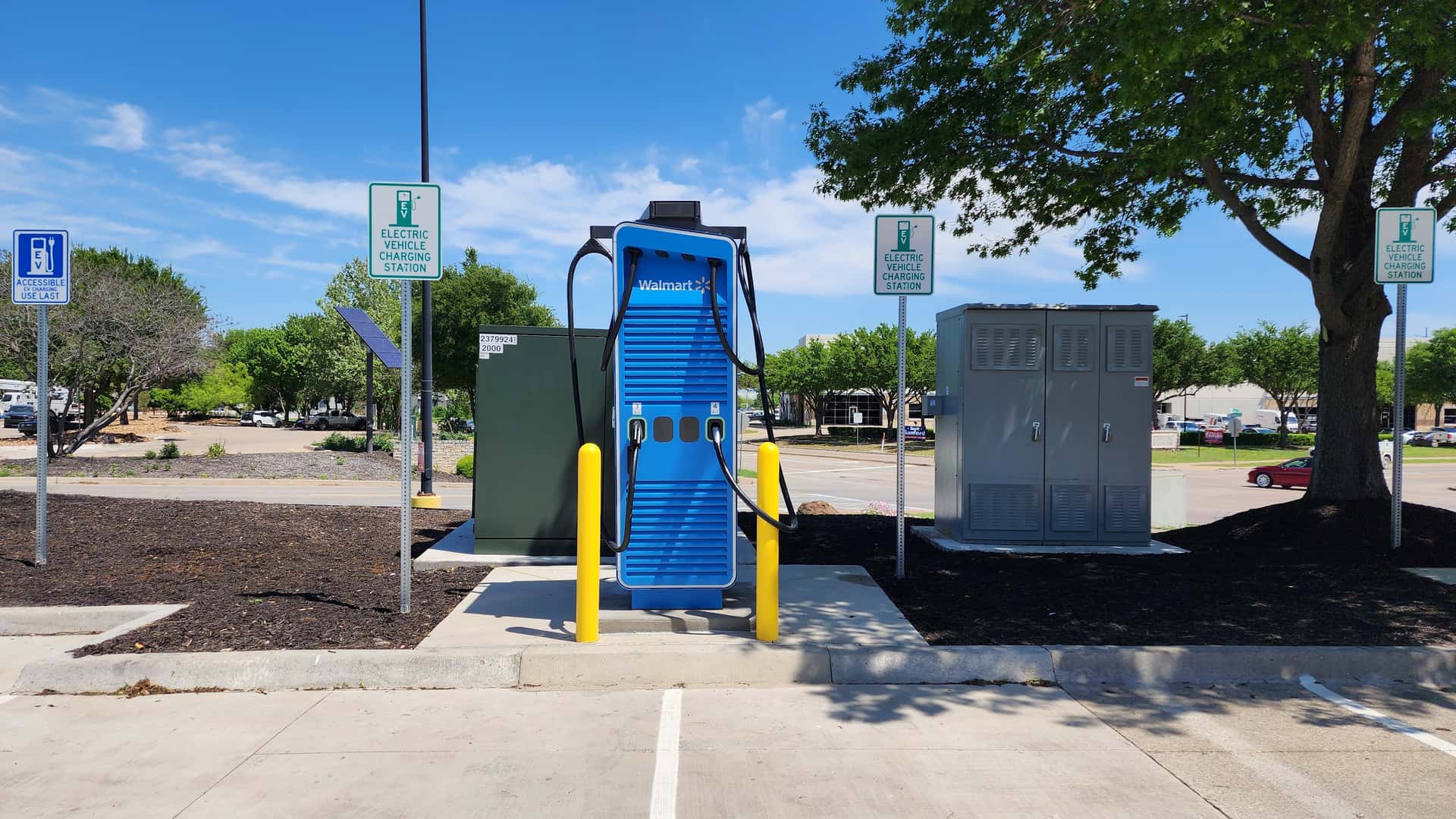
In a strategic move to bolster the nation’s electric vehicle (EV) infrastructure, retail behemoth Walmart has significantly accelerated the expansion of its owned DC fast charging network across the United States. The company has dramatically increased its footprint, growing the number of high-powered charging ports by 50% in merely two months, demonstrating a clear commitment to supporting the growing EV adoption.
This rapid development positions Walmart as an increasingly vital player in the evolving landscape of sustainable transportation. The initiative not only enhances convenience for EV drivers but also integrates charging solutions directly into communities where Walmart stores are already central hubs.

Rapid Expansion and Current Network Status
According to recent data from the Department of Energy’s Alternative Fuels Data Center, cited by EVChargingStations.com, Walmart currently operates 31 DC fast charging stations. These stations collectively offer a substantial 224 high-powered connectors, marking a considerable jump in availability.
The swift expansion saw the network grow from 20 stations in February to 31 by early April of the current year. This surge follows a period of more gradual development, with the first Walmart-branded chargers becoming operational in April of the previous year. The multinational company reportedly reached 10 charging stations by November 2025, before initiating its more aggressive rollout.
Advanced Charging Technology and Compatibility
Walmart’s commitment to cutting-edge technology is evident in its choice of charging infrastructure. The company exclusively installs powerful 400-kilowatt chargers, sourced from reputable manufacturers such as Alpitronic and ABB.

Each individual charging stall is designed for maximum compatibility, featuring both a North American Charging Standard (NACS) cable and a Combined Charging System (CCS1) port. This dual-port configuration ensures that a wide array of electric vehicles can utilize Walmart’s rapidly growing network, catering to diverse manufacturer standards.
With 112 individual dispensers strategically placed across its properties, Walmart is establishing a robust and versatile EV charging ecosystem. This widespread accessibility is crucial for alleviating range anxiety among EV owners and encouraging further adoption of electric mobility.
Strategic Vision and Deployment Pace
Walmart embarked on its journey into the EV charging business in 2023, marking a significant strategic pivot for the retail giant. While the company’s stores have long hosted DC fast chargers from other operators, such as Electrify America, the recent focus on its own branded network signifies a direct investment in this critical infrastructure.
The company has maintained a generally private stance regarding the specifics of its network’s development. However, Walmart previously articulated ambitious plans to install fast chargers at “thousands of its locations by 2030,” with projections suggesting even more widespread deployment in the decade beyond. This long-term vision underscores the company’s intent to become a cornerstone of future EV charging accessibility.
Geographical Footprint Across the United States
The distribution of Walmart’s new EV charging stations reflects a targeted approach to key regions, as detailed by the Alternative Fuels Data Center (AFDC). The state of Texas currently leads the expansion with 15 operational Walmart EV charging stations, indicating a strong focus on this high-growth market.
Other states also benefit from this expanding network. Arizona hosts six stations, Florida has three, and Oklahoma is home to two. Additionally, single Walmart EV charging stations have been established in Alabama, Arkansas, Georgia, New Jersey, and South Carolina, steadily broadening the network’s reach across the country.
Seamless User Experience and Transparent Pricing
To access Walmart’s EV chargers, drivers are required to utilize the company’s dedicated smartphone application. This digital-first approach streamlines the charging process, although it necessitates a mobile device for initiation and payment, as the charging stalls are not equipped with traditional card readers.
The pricing structure for the service varies by location, ensuring flexibility based on regional operational costs. However, the average cost for charging stands at an competitive $0.48 per kilowatt-hour. This transparent pricing model aims to provide predictability for users, making Walmart EV charging a practical option for daily commutes and longer journeys alike.
Walmart’s Broader Impact on EV Infrastructure
Walmart’s aggressive push into developing its own EV charging infrastructure extends beyond merely providing a service; it represents a significant contribution to the national effort to build a robust and accessible charging network. By leveraging its vast network of retail locations, Walmart can integrate charging into consumers’ existing routines, such as while they shop for groceries or other necessities.
This initiative not only supports the transition to electric vehicles but also enhances the overall customer experience, offering added value and convenience. As the retail giant continues its expansion, the presence of reliable, high-speed Walmart EV charging options is expected to play a crucial role in accelerating mainstream EV adoption across the United States.
Outlook for Future Growth
The current pace of expansion and the ambitious long-term targets signal a transformative period for Walmart’s role in the EV ecosystem. With plans for thousands of additional charging locations in the coming years, the company is poised to dramatically influence charging accessibility and convenience for millions of EV owners.
Walmart’s strategy to exclusively deploy 400-kilowatt chargers with universal NACS and CCS1 compatibility also sets a high standard for charging speed and user inclusivity. As the EV market matures, Walmart’s growing network will likely serve as a critical backbone, supporting both short-distance trips and cross-country travel for the increasing number of electric vehicles on the road.