
Key Takeaways:
- Walmart is aggressively expanding its DC fast charging network across the United States, significantly boosting electric vehicle (EV) infrastructure.
- The retail giant has increased its EV charging network by 50% in just one month, following a similar surge earlier this year, now boasting over 300 high-powered ports.
- In response to customer feedback, Walmart is introducing card payment terminals (swipe and dip-to-ship) at its chargers, moving beyond an app-exclusive payment model.
- Walmart+ members can avail a 10% discount on charging sessions when using the app, highlighting the company’s focus on member benefits.
- The company is deploying exclusive 400 kW chargers and optimizing connector placement for a better user experience, particularly for Tesla owners.
Walmart, the world’s largest retailer, is significantly accelerating the expansion of its electric vehicle (EV) charging network across the United States. This strategic initiative not only aims to enhance convenience for EV drivers but also reinforces the company’s commitment to sustainable practices and robust infrastructure development. The rapid deployment of DC fast chargers at Walmart and Sam’s Club locations signals a pivotal shift in the retail sector’s role within the burgeoning EV ecosystem.

The company’s latest data reveals a remarkable surge in its charging infrastructure. In a span of just one month, Walmart expanded its EV charging network by approximately 50%, a growth rate that echoes a similar 50% increase observed between February and April of the current year. This aggressive rollout underscores a clear intent to establish a comprehensive and accessible charging footprint nationwide.
Walmart’s Aggressive Expansion of EV Charging Network
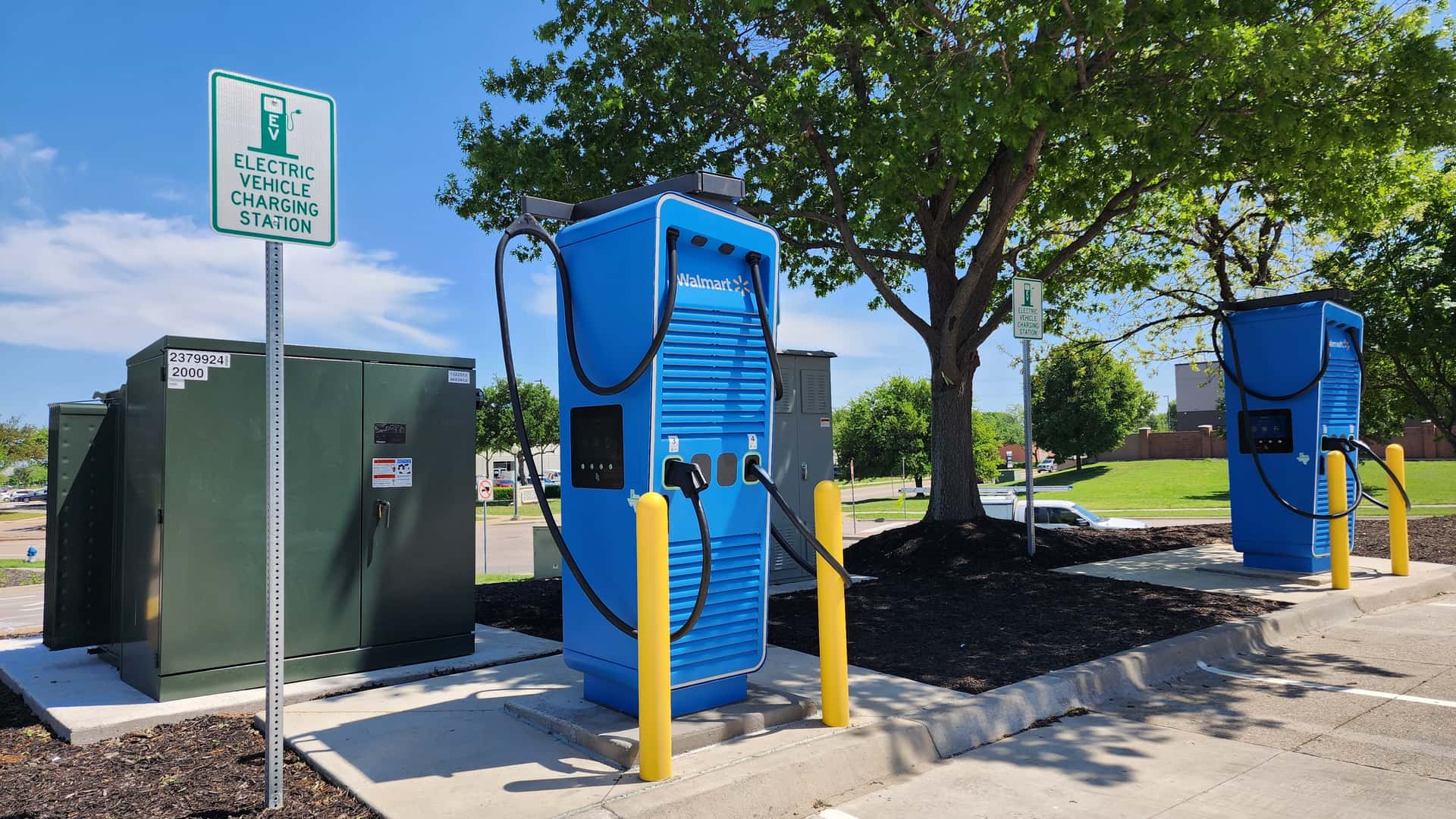
Currently, the retail giant’s operational EV charging network encompasses over 300 individual ports strategically located at 50 Walmart stores across the U.S. These high-powered connectors are capable of delivering up to 400 kilowatts of electricity, positioning them among the fastest available public charging options. This marks a substantial increase from the previous month’s count of 31 stations and 224 high-powered connectors, demonstrating a concentrated effort to meet growing demand.
The deployment of such high-capacity chargers, primarily from industry leaders like ABB and Alpitronic, ensures that EV drivers can quickly replenish their vehicle’s battery, drastically reducing wait times. This focus on speed is critical for mitigating range anxiety and making EV ownership more practical for daily commuters and long-distance travelers alike.
Enhancing User Experience: New Payment Solutions and Pricing Transparency
Recognizing the importance of seamless user experience, Walmart is implementing key improvements to its EV charging services. Adam Happel, Walmart’s General Manager for Retail EV charging, highlighted a significant forthcoming change during an interview with InsideEVs contributor and charging expert Tom Moulougney: the integration of card payment terminals at its DC fast chargers.
Addressing Payment Flexibility
Initially, all operational stations exclusively supported payments via Walmart’s proprietary app. This app-centric approach, while streamlined for some, presented a barrier for others who preferred traditional payment methods or wished to avoid downloading another smartphone application. Customer feedback has been instrumental in prompting this strategic pivot.
As a direct response, Walmart has decided to incorporate card readers for enhanced convenience. While a single station is currently trialing this new payment solution, future installations will integrate swipe and dip-to-ship terminals directly into the charging stalls. This move aims to broaden accessibility and simplify the charging process for a wider demographic of EV owners, thereby improving the overall customer experience.
Pricing Structure and Member Benefits
Beyond payment flexibility, Walmart has also clarified its pricing policies, emphasizing transparency and value for its customers. Adam Happel confirmed that Walmart does not levy idling fees, a common charge at many public EV charging networks designed to prevent vehicles from occupying stalls once fully charged. This policy provides drivers with peace of mind, knowing they won’t incur unexpected costs if they take a few extra minutes after charging completes.
Furthermore, the company is committed to ensuring clear pricing visibility. Customers will always have a transparent view of their total cost, preventing any hidden charges. While there is no dynamic pricing based on station congestion, some locations incorporate Time of Use (TOU) rates. This means the price of charging may vary depending on the time of day, aligning with energy demand patterns and potentially offering more affordable options during off-peak hours.
A notable benefit for loyal customers is the 10% discount offered to Walmart+ members. This discount is automatically applied when members initiate and pay for their charging sessions through the Walmart app, incentivizing app usage while rewarding membership. This contrasts with technologies like Plug & Charge, which Walmart is considering but currently does not support. Plug & Charge allows drivers to simply plug in and charge without app interaction or credit card use, but it currently lacks the mechanism to automatically apply member-specific discounts, posing a challenge for its seamless integration with Walmart’s loyalty program.
Advanced Charging Technology and Design Optimisation
Walmart’s commitment to a robust EV charging network is evident in its choice of hardware. The company exclusively installs 400 kW chargers, sourcing them from reputable manufacturers such as ABB and Alpitronic. These high-power units are equipped with both CCS1 and NACS (North American Charging Standard) connectors, ensuring broad compatibility with a wide range of electric vehicles currently on the market and those anticipated in the future.
An important design correction has also been implemented regarding the NACS cable placement. Initially, the NACS cable was positioned on the right side of the charger. However, this orientation proved inconvenient for many Tesla EVs, which typically feature their NACS port on the left rear. Recognizing this ergonomic challenge, Walmart has decided that all future EV chargers will position the NACS cable on the left, thereby optimizing the charging experience for Tesla owners and other vehicles with similar port configurations.
Long-Term Vision for Electric Mobility
Looking ahead, Walmart’s head of retail EV charging, Adam Happel, articulated a long-term vision for the company’s role in electric mobility. While refraining from providing an exact numerical target for charger installations, Happel unequivocally stated that Walmart is not involved in this venture for the short term. The aspiration is to deploy thousands of chargers across as many Walmart and Sam’s Club locations as feasible throughout the U.S.
With a vast operational footprint exceeding 5,200 stores stateside, Walmart possesses an unparalleled advantage in terms of location availability and potential for widespread EV charging infrastructure. This extensive retail network positions Walmart to become a dominant player in the public EV charging landscape, significantly contributing to the nation’s electric vehicle adoption goals.
The ongoing expansion and continuous refinement of Walmart’s EV charging network represent a critical step towards building a more accessible and convenient charging ecosystem for electric vehicle owners. By focusing on rapid deployment, flexible payment options, transparent pricing, and user-centric design, Walmart is not only investing in its own retail future but also playing a crucial role in accelerating the broader transition to sustainable transportation.
FAQ Section
What is Walmart doing with its EV charging network?
Walmart is rapidly expanding its DC fast charging network across the U.S., increasing the number of high-powered ports at its stores and enhancing payment options for electric vehicle drivers.
How many EV charging ports does Walmart currently have?
Walmart currently operates over 300 individual DC fast charging ports at 50 of its stores in the United States, with plans for thousands more in the pipeline.
How can I pay for EV charging at Walmart stations?
Initially, payments were app-only. However, Walmart is now adding swipe and dip-to-ship card payment terminals to its chargers in response to customer feedback, offering more flexible payment solutions.
Are there any discounts for charging at Walmart?
Yes, Walmart+ members who use the Walmart app to initiate and pay for their charging sessions are eligible for a 10% discount on the cost of charging.
Does Walmart charge idling fees or have dynamic pricing?
Walmart does not implement idling fees. While there is no dynamic pricing based on station crowding, some locations may feature Time of Use (TOU) rates, where prices vary by time of day.
What kind of chargers does Walmart install?
Walmart exclusively installs 400 kW DC fast chargers from manufacturers like ABB and Alpitronic, equipped with both CCS1 and NACS connectors for broad compatibility.
What are Walmart’s future plans for its EV charging network?
Walmart plans to install thousands of EV chargers at as many Walmart and Sam’s Club locations as possible across the U.S., indicating a significant long-term investment in electric vehicle infrastructure.