
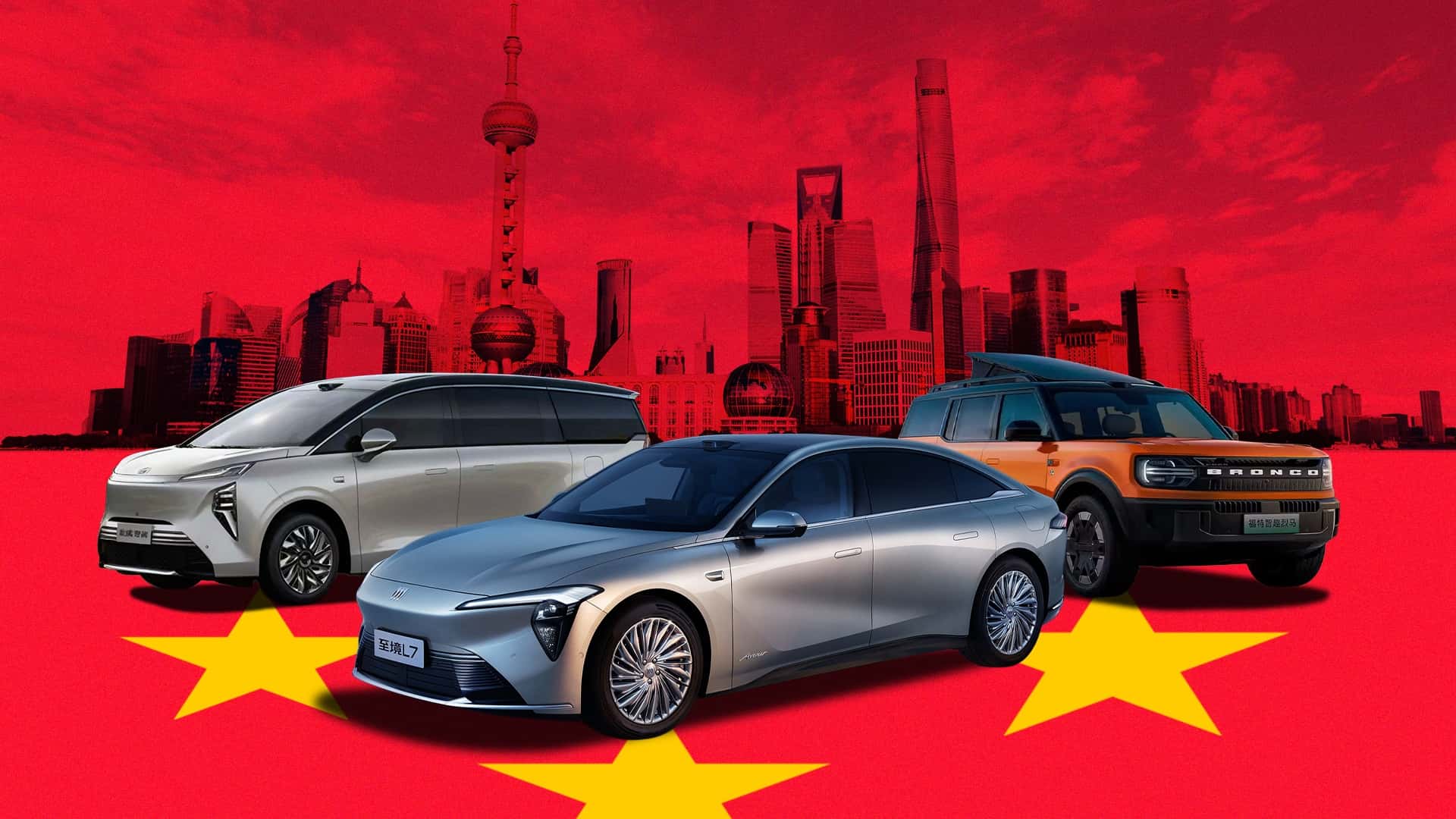
In a landscape often dominated by narratives of Western automotive brands struggling in China, the Buick Electra L7 emerges as a compelling counterpoint, showcasing the potential for sophisticated electric vehicle (EV) and extended-range electric vehicle (EREV) development by foreign automakers in the region. However, this impressive vehicle, a product of General Motors’ (GM) SAIC-GM joint venture, is unlikely to ever reach consumers outside of China, a fact described as a “damn shame” by observers.
The Buick Electra L7: A Testament to Evolving Chinese Manufacturing
The Buick brand has long been a cornerstone of GM’s operations in China, enjoying decades of success. However, recent years have seen a significant downturn in sales for traditional GM models adapted for the Chinese market, including its Ultium-based Electra E4 and E5 EVs, which reportedly struggled with sales. GM’s overall financial performance in China has also taken a hit.
In response, SAIC-GM developed the “Xiao Yao” platform, a flexible architecture designed for PHEV, EREV, and full EV configurations, with options for different drivetrain layouts. The Buick Electra L7 is a prominent example of this new strategy. It is a midsize fastback sedan powered by a 338-horsepower rear-mounted electric motor and a 40.2 kWh battery, complemented by a 1.5-liter turbocharged four-cylinder engine for range extension. While a full EV or dual-motor AWD variant may be planned, details remain unconfirmed.
Design and Interior: A Leap Forward for Buick in China
Unlike previous iterations of Buick vehicles in China that were perceived as downmarket or generic, the Electra L7 boasts a design that is both coherent and upscale. Its proportions are described as sleek and svelte, a departure from the bulkier appearance of some Ultium-based models. The exterior features subtle brightwork, lending it a premium feel without appearing ostentatious.
The interior, however, is where the L7 truly shines. It represents a significant improvement over previous Chinese-market Buicks, which were often characterized by hard plastics and a lack of refinement. The Electra L7, particularly in its top-tier Avenir trim, showcases a sumptuously appointed cabin. Every touchpoint is finished in soft leather or vinyl, with heated and cooled seats and exceptional cabin quietness. The attention to detail extends to the switchgear, with minimal reliance on standard GM parts, contributing to a feeling of exclusivity and quality.
The vehicle also integrates China-specific software and hardware, including advanced driver-assistance features distinct from GM’s U.S. offerings and processing power from Qualcomm’s Snapdragon chips. This positions the L7 to compete directly with established Chinese premium sedans from brands like Zeekr, Lynk & Co, Xpeng, and Nio.
Pricing and Market Position
The Buick Electra L7 is competitively priced, with a starting price of $24,000, rising to around $31,000 for the top-of-the-line Avenir model. This pricing strategy places it directly against popular Chinese midsize sedans such as the Lynk & Co Z10 and Changan SL03, indicating GM’s intent to capture a significant share of this burgeoning market segment.
The Unobtainable EV: Why the L7 Won’t Travel West
Despite its impressive features and competitive positioning, the Electra L7 is expected to remain exclusive to the Chinese market. GM CEO Mary Barra has reportedly prioritized disentangling North American supply chains from China, making the prospect of bringing a U.S.-localized version of the L7 a complex and potentially unfeasible undertaking. Furthermore, the vehicle’s reliance on China’s specific software and hardware ecosystem, including battery technology, further complicates any international rollout.
The existence of the Electra L7, alongside other competitive vehicles like the Ford Bronco EREV and Toyota’s China-specific bZ models that incorporate GAC and BYD technology, demonstrates that Western automakers can indeed produce compelling EVs when they adapt to local market demands and leverage regional expertise. However, the inability for consumers outside China to experience these advancements highlights a missed opportunity and raises questions about the future relevance of Western brands in a rapidly evolving global automotive landscape.