
Key Takeaways:
- Integrals Power has received UK government funding through the DRIVE35 Scale-up Feasibility Studies competition for Project CATMAN.
- The funding aims to scale LFP and LMFP cathode active material production from a 20 tonne/year pilot to a 1,000 tonne/year commercial line.
- Integrals Power’s LMFP cathode offers 20% higher energy density than conventional LFP, superior cold-temperature performance, and is free of cobalt and nickel.
- Independent testing by QinetiQ and Cranfield University has validated the material’s performance and cycle life.
- This initiative is critical for the UK to establish a domestic EV battery material production supply chain, mitigating reliance on foreign sources and addressing future regulatory requirements like EU Battery Passports.
Catalysing UK’s EV Battery Ambitions: Project CATMAN
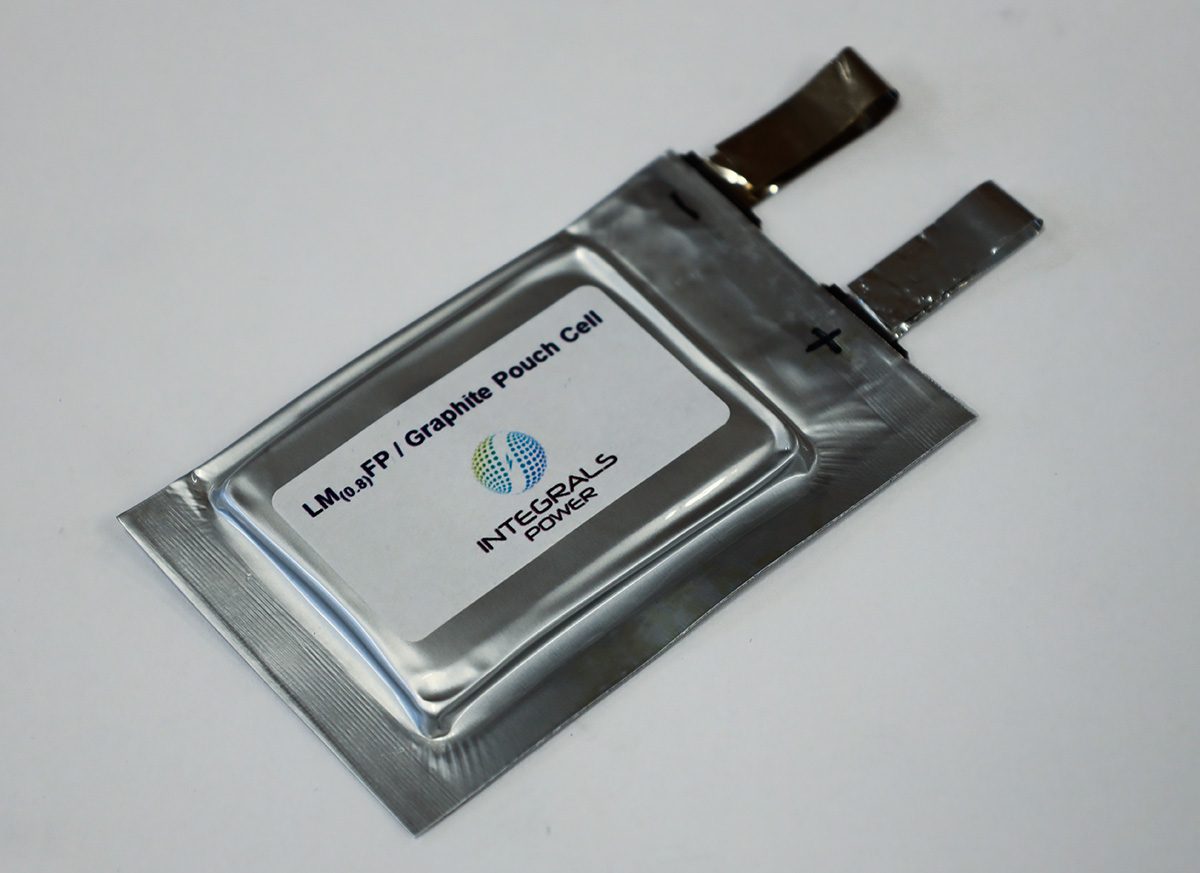
Integrals Power, a key innovator in battery technology, has successfully secured vital funding under the UK government’s DRIVE35 Scale-up Feasibility Studies competition. This strategic investment is earmarked for an ambitious programme, aptly named Project CATMAN, which aims to significantly enhance the nation’s capabilities in LFP (lithium iron phosphate) and LMFP (lithium manganese iron phosphate) cathode active material production.

The funding will facilitate a comprehensive study to outline the manufacturing pathway for these crucial EV battery materials. This roadmap begins with Integrals Power’s existing 20 tonne/year pilot line in the UK, progressing to a 100 tonne/year demonstration facility, and ultimately achieving full engineering readiness for a substantial 1,000 tonne/year commercial production line. The company’s pilot facility currently demonstrates its capability to produce both advanced LFP and LMFP cathodes.
DRIVE35, a pivotal initiative, is collaboratively delivered by the Department for Business and Trade in conjunction with the Advanced Propulsion Centre UK and Innovate UK. This program is an integral component of the broader UK government’s Advanced Manufacturing Sector Plan, which strategically allocates a significant £4 billion for automotive research and development and scale-up activities through 2035. This investment underscores the UK’s commitment to fostering a robust domestic EV battery material production ecosystem.
The Strategic Advantage of LMFP Cathode Technology
Integrals Power’s proprietary LMFP chemistry presents a compelling advancement in EV battery material production. This innovative material incorporates an impressive 80% manganese content, a design choice that delivers a substantial 20% higher energy density when compared to conventional LFP chemistries. Crucially, this enhanced performance is achieved while meticulously preserving the inherent safety profile, extended cycle life, and cost-effectiveness that LFP batteries are renowned for.
A significant differentiator for Integrals Power’s LMFP cathode is its composition. Unlike the prevalent NMC (nickel manganese cobalt) chemistries, this advanced material contains no cobalt or nickel. The exclusion of these often-volatile and ethically contentious materials not only simplifies the supply chain but also aligns with the growing global demand for more sustainable and responsible EV battery material production.
Validated Performance: Independent Testing Confirms Superiority
The superior performance claims of Integrals Power’s LMFP material are robustly supported by independent testing from reputable institutions. QinetiQ, a leading science and engineering company, conducted comprehensive cycle life assessments. These tests demonstrated exceptional durability, exceeding 1,500 charge-discharge cycles at a 1C rate while maintaining nearly 80% capacity retention.
Further validation came from cold temperature testing conducted by Cranfield University, a distinguished centre for transport and manufacturing research. The results showcased remarkable resilience in challenging conditions, with 85% retained capacity at -25 °C and 68% at -30 °C. Integrals Power asserts that these figures significantly outperform current LFP and LMFP benchmarks available in the market, positioning their material as a frontrunner for electric vehicles operating in diverse climates.
Navigating Geopolitical Shifts and Regulatory Imperatives
The global landscape for EV battery material production is undergoing significant shifts, primarily driven by geopolitical factors and evolving regulatory frameworks. Currently, almost all LFP and LMFP cathode production is concentrated in China. This concentrated supply chain has become a strategic concern, particularly after China implemented export restrictions on these critical materials and their associated manufacturing processes last year.
These restrictions highlight the urgent need for diversification in the global supply of EV battery materials. Concurrently, new regulatory pressures are emerging, particularly within Europe. From 2027, the EU Battery Passports will come into effect, demanding greater transparency and traceability throughout the battery life cycle. Furthermore, UK-EU rules of origin requirements for EV batteries are set to tighten significantly.
To avoid a 10% tariff, 65% of the cell value and 70% of the battery pack value must originate from either the UK or the EU. These impending regulations mean that establishing a domestic cathode supply chain is no longer merely a competitive advantage for the UK. It is rapidly transforming into a fundamental regulatory necessity, crucial for maintaining tariff-free trade and fostering a resilient automotive sector.
Leadership’s Vision: Securing a Domestic Supply Chain
The strategic importance of Project CATMAN and the broader implications for the UK’s energy independence were underscored by Integrals Power’s leadership. Behnam Hormozi, Founder and CEO of Integrals Power, articulated the company’s vision and the project’s critical role.
“Our LMFP material has already proven itself in independent testing by QinetiQ—now we need to prove the manufacturing process at scale, and that is exactly what this program will deliver,” said Hormozi. He further emphasised the broader national benefit: “The UK has a genuine opportunity to establish manufacturing for these strategically important cell chemistries outside of China, and this funding is a critical step in enabling that to happen.” This statement highlights the dual objective of demonstrating scalable production and securing a sovereign capability in advanced EV battery material production.
Broader Implications for the UK Automotive Sector
The UK government’s investment in Integrals Power’s Project CATMAN signifies more than just a single company’s growth; it represents a strategic cornerstone for the nation’s entire electric vehicle sector. By fostering domestic EV battery material production, the UK is taking a proactive step towards building a resilient and self-sufficient automotive supply chain, thereby reducing its vulnerability to external geopolitical shocks and trade instabilities.
A localized supply chain for critical components like LFP and LMFP cathodes is paramount for the long-term viability and competitiveness of UK-based EV manufacturing, including the planned gigafactories. This not only ensures a stable supply of materials but also contributes to job creation, technological innovation, and economic growth within the advanced manufacturing sector. The commitment reflected in the Advanced Manufacturing Sector Plan aligns with the global imperative for sustainable mobility and energy transition, positioning the UK as a significant player in the future of EV battery technology and EV battery material production.
FAQ Section
What is Project CATMAN?
Project CATMAN is Integrals Power’s initiative, funded by the UK government, to assess and scale up its LFP and LMFP cathode active material production. The project aims to map the manufacturing pathway from a 20 tonne/year pilot line to a 1,000 tonne/year commercial facility, bolstering the UK’s domestic EV battery material production capabilities.
What is the significance of LFP and LMFP cathodes?
LFP (lithium iron phosphate) and LMFP (lithium manganese iron phosphate) cathodes are crucial for EV batteries due to their safety, long cycle life, and cost-effectiveness. Integrals Power’s LMFP offers enhanced energy density without relying on cobalt or nickel, addressing supply chain concerns and environmental impacts in EV battery material production.
How does Integrals Power’s LMFP material compare to existing technologies?
Integrals Power’s LMFP cathode contains 80% manganese, delivering 20% higher energy density than conventional LFP, while maintaining safety and cost benefits. Independent tests by QinetiQ and Cranfield University have confirmed its superior cycle life and exceptional cold-temperature performance, outperforming current benchmarks.
Why is establishing a domestic cathode supply chain important for the UK?
A domestic cathode supply chain is crucial for the UK to reduce its reliance on foreign sources, particularly China, which has introduced export restrictions. It also enables compliance with impending EU Battery Passports and tightening UK-EU rules of origin requirements, avoiding tariffs and securing the future of the UK’s EV manufacturing sector.
What is the DRIVE35 competition?
DRIVE35 is a UK government initiative, part of the Advanced Manufacturing Sector Plan, delivered by the Department for Business and Trade in partnership with the Advanced Propulsion Centre UK and Innovate UK. It provides funding for feasibility studies aimed at scaling up critical automotive R&D and manufacturing processes, including EV battery material production.
What are the economic implications of this funding for the UK?
This funding is a strategic investment that contributes to the UK’s economic resilience, technological innovation, and job creation within the advanced manufacturing sector. By developing a domestic EV battery material production capability, the UK strengthens its position in the global electric vehicle market and supports its broader climate and industrial goals.