
Key Takeaways (TL;DR)
- Finnish startup Donut Lab has revealed more details about its all-solid-state battery powering the Verge TS Pro Gen2 electric motorcycle.
- The Verge TS Pro Gen2 is claimed to be the world’s first solid-state electric bike and the fastest-charging two-wheeler.
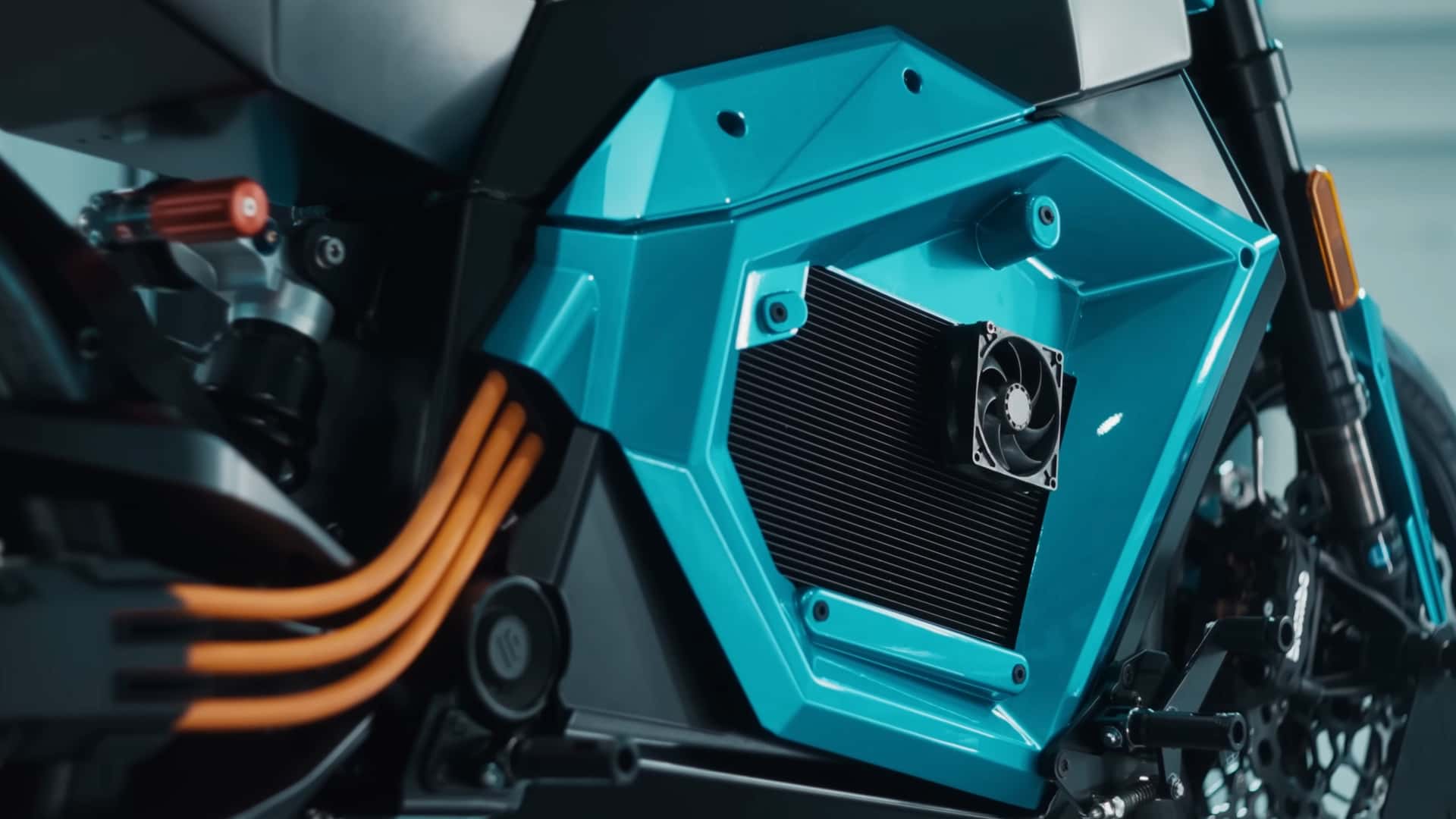
- The battery pack features an air-cooled design utilizing heat sinks and small fans, reminiscent of PC processors, due to the motorcycle’s compact form factor.
- It achieves a remarkable 10% to 80% charge in approximately 11 minutes, peaking at around 100 kW DC fast charging, boasting a C-rate over 5C.
- Despite these advancements, experts remain cautious as Donut Lab has yet to provide conclusive proof of its solid-state chemistry or independent validation of its ambitious claims regarding energy density and lifespan.
Revolutionising Electric Mobility: Donut Lab’s Solid-State Vision for the Verge TS Pro Gen2
In a significant development for the electric vehicle (EV) sector, Finnish startup Donut Lab has unveiled further details regarding its groundbreaking solid-state battery technology. This innovation is at the heart of the Verge TS Pro Gen2, an electric motorcycle that Donut Lab and Verge Motorcycles assert is the world’s inaugural solid-state electric bike and concurrently, the fastest-charging two-wheeler currently available.

The highly anticipated reveal from the Finnish firm, which has boldly claimed to have mastered production-ready solid-state batteries for vehicles, offers a deeper look into the complex engineering underpinning this ambitious project. While the company continues to generate considerable interest, it also faces persistent scrutiny from industry experts awaiting conclusive validation of its claims.
The Promise and Peril of Solid-State Battery Technology
Solid-state batteries represent a frontier in energy storage, promising higher energy density, enhanced safety, and faster charging times compared to conventional lithium-ion counterparts. Their development is a global race, with numerous companies striving to overcome the significant manufacturing and performance challenges associated with solid electrolytes.
Donut Lab has made several compelling assertions about its proprietary cells, including an energy density of 400 watt-hours per kilogram, complete avoidance of rare-earth materials, and an extraordinary lifespan of 100,000 charge cycles. Such figures, if independently verified, would mark a monumental leap forward for electric mobility, particularly for a compact solid-state electric bike.

Inside the Verge TS Pro Gen2 Battery Pack
Ville Piippo, co-founder and CTO of Donut Lab, recently provided an in-depth look at the solid-state pack powering the Verge TS Pro Gen2 through a video on the company’s YouTube channel. While the presentation did not offer definitive chemical proof, it illuminated the intricate assembly and thermal management strategies employed within the battery system.
The Standard Range version of the new Verge TS Pro integrates 192 of Donut Lab’s 94 Wh cells. This configuration yields a nominal capacity of approximately 18 kilowatt-hours (kWh) and a maximum capacity of roughly 20 kWh. For riders seeking extended journeys, a Long Range variant is also available, offering a nominal capacity of approximately 30 kWh, crucially housed within the same compact battery enclosure.
Innovative Air-Cooling for a Compact Design
A key engineering highlight of the 18 kWh model is its modular battery architecture, featuring a 2P 96S configuration, meaning two cells in parallel and 96 cells in series. This setup enables a maximum system voltage of around 400V. The battery pack comprises four distinct modules, cleverly layered on top of each other with a slight offset to optimise space within the electric motorcycle’s chassis.
Heat transfer plates are strategically positioned between each cell layer, designed to efficiently conduct thermal energy away from the cells towards the exterior of the pack. On both sides of the battery enclosure, a heat sink paired with a small fan—remarkably similar in appearance and function to those found cooling PC processors—facilitates the dissipation of heat into the ambient air. This design choice underscores the unique challenges of thermal management in high-performance, compact electric vehicles.
“So it’s a fully air-cooled design, and a very compact design,” Piippo stated, emphasising the space-saving and efficiency considerations inherent in their approach to the solid-state electric bike.
Redefining Fast Charging for Two-Wheelers
The charging performance of the solid-state Verge TS Pro Gen2 is particularly noteworthy. When connected to a DC fast charger, the motorcycle can achieve peak charging power of approximately 100 kW. This enables a rapid charge from 10% to 80% in just about 11 minutes, with a 10% to 90% top-up requiring a little under 15 minutes.
While this peak charging power is about half of the 200 kW figure previously touted by Donut Lab, the company attributes this adjustment to the bike’s compact design, which precludes the integration of a more robust liquid-cooling system. For larger applications like cars that can accommodate liquid-cooled battery packs, Donut Lab reiterates its claim that its 94 Wh cells can achieve even faster charging speeds, specifically zero to 80% in as little as five minutes.
Even at a maximum input of 103 kW, the Verge TS Pro Gen2 demonstrates an impressive C-rate of slightly over 5C. The C-rate quantifies how quickly a battery can charge or discharge relative to its maximum capacity. For instance, a 1C rate for the 20 kWh Verge TS Pro Gen2 would mean a charging power of 20 kW. To put this in perspective, most modern electric vehicle batteries typically operate with C-rates below 4C, highlighting the advanced capabilities of this solid-state electric bike.
Real-World Impact and Future Outlook
The exceptional charging speed positions the Verge TS Pro with Donut Lab’s solid-state battery as the world’s fastest-charging motorcycle. For riders, this translates into practical benefits, with approximately 12 miles of range added for every minute of charging. Given the new TS Pro’s estimated total range of 217 miles, such rapid replenishment significantly enhances convenience and usability for long-distance travel and daily commutes.
Despite the exciting technical details and performance figures, a degree of skepticism persists within the industry. Donut Lab has yet to publicly release patents, comprehensive validation results, or a detailed breakdown of its battery chemistry that would definitively substantiate its claims. Experts continue to call for independent testing to verify the unprecedented energy density, material composition, and cycle life promises.
Production of the upgraded electric bike reportedly commenced last month. However, the true litmus test for Donut Lab’s revolutionary solid-state electric bike will be the forthcoming independent tests of the solid-state TS Pro Gen2, which will provide crucial validation of its real-world performance and durability.
Frequently Asked Questions (FAQ)
What makes the Verge TS Pro Gen2 unique in the electric motorcycle market?
The Verge TS Pro Gen2 is unique as it claims to be the world’s first solid-state electric bike, powered by Donut Lab’s advanced battery technology. It also boasts exceptionally fast charging capabilities, distinguishing it from conventional electric motorcycles. This combination promises a significant leap in performance and user experience for two-wheeler EVs.
What is the battery capacity of the Verge TS Pro Gen2?
The Standard Range version of the Verge TS Pro Gen2 features a battery pack with a nominal capacity of approximately 18 kWh and a maximum capacity of 20 kWh. A Long Range variant is also offered, providing roughly 30 kWh of nominal capacity within the same compact enclosure, catering to varied rider needs.
How fast can the Verge TS Pro Gen2 charge?
The Verge TS Pro Gen2 exhibits rapid charging, achieving a 10% to 80% state of charge in about 11 minutes using a DC fast charger, peaking at around 100 kW. A 10% to 90% top-up takes slightly under 15 minutes. This impressive speed translates to approximately 12 miles of range added per minute of charging.
What type of cooling system does the solid-state battery use?
The solid-state battery in the Verge TS Pro Gen2 employs an air-cooled design. This system utilises heat transfer plates between cell layers, which conduct heat to external heat sinks. Small fans, similar to those found in personal computers, are then used to dissipate this heat into the ambient air, a compact solution for the electric bike.
What claims has Donut Lab made about its solid-state battery technology?
Donut Lab has made several bold claims, including an energy density of 400 watt-hours per kilogram, the complete absence of rare-earth materials in its composition, and an impressive lifespan of 100,000 charge cycles. These claims, if independently verified, would represent a substantial advancement in battery technology for electric vehicles.
Why are some experts skeptical about Donut Lab’s claims?
Experts remain cautious because Donut Lab has not yet provided conclusive scientific proof, such as patents, detailed chemistry breakdowns, or independent validation results, to substantiate its ambitious claims. While the charging speeds are impressive, the fundamental chemistry and long-term durability require external verification for widespread acceptance.
What is the estimated total range of the Verge TS Pro Gen2?
The Verge TS Pro Gen2 solid-state electric bike offers an estimated total range of 217 miles (approximately 350 kilometres). This substantial range, combined with its ultra-fast charging capabilities, aims to alleviate range anxiety for electric motorcycle enthusiasts and commuters alike.