
Key Takeaways
- Uber is actively influencing the development of electric vehicle charging infrastructure, moving beyond its traditional role as a ride-hailing platform.
- The company views its extensive real-world trip data as a “superpower” to strategically determine optimal locations for new fast-charging stations.
- A significant $100 million investment has been committed to build public fast-charging stations in partnership with networks like EVgo and Ionity.
- Uber is offering utilization guarantees to charging networks, aiming to ensure financial viability for new installations.
- The initiative addresses the growing charging needs of both its expanding fleet of robotaxis and human drivers transitioning to electric vehicles.
- Challenges persist, particularly in dense urban environments like New York City, where demand for charging often outstrips supply despite growing infrastructure.
- Uber’s horizontal business model contrasts with vertically integrated competitors like Tesla, presenting both unique advantages and potential complexities in the evolving mobility landscape.
Ride-hailing giant Uber is intensifying its involvement in the burgeoning electric vehicle (EV) sector, positioning itself as a pivotal force in shaping the future of charging infrastructure. The company, renowned for brokering the autonomous vehicle revolution, now seeks to apply a similar transformative approach to electric vehicle charging, leveraging its unparalleled data insights.
As the public fast-charging network in the United States continues to expand, even amidst a broader cooling of EV sales, Uber is stepping into a more proactive role. The aim is to guide the strategic placement of new charging stations and enhance their operational efficiency, addressing one of the most critical bottlenecks in widespread EV adoption: reliable and accessible charging infrastructure.

Uber’s Data-Driven ‘Superpower’ for Charging Infrastructure
Central to Uber’s ambitious Uber EV charging strategy is its vast repository of real-world trip data. Andrew Cornelia, Uber’s global head of electrification and sustainability, highlighted this asset during an interview at the BloombergNEF Summit in New York City.
“One of Uber’s superpowers is the fact that we have just so much data,” Cornelia stated. He explained that this extensive data set is instrumental in identifying areas where charging infrastructure is most critically needed, ensuring that new stations are built where demand is highest and most consistent.
This data-driven approach is designed to tackle a persistent industry challenge: effectively matching charging supply with the real-time demand from drivers. For ride-hailing professionals, time is money, and the ability to quickly locate an available charger without lengthy waits is paramount to their operational efficiency and earning potential.
By meticulously analyzing millions of historical trips, peak demand times, common driver routes, and user behavior patterns, Uber can provide granular insights to its charging network partners. This allows for highly optimized site selection, significantly reducing the risk of underutilized stations and ensuring the deployment of a robust and reliable electric vehicle infrastructure.
Addressing the Autonomous Vehicle Shift
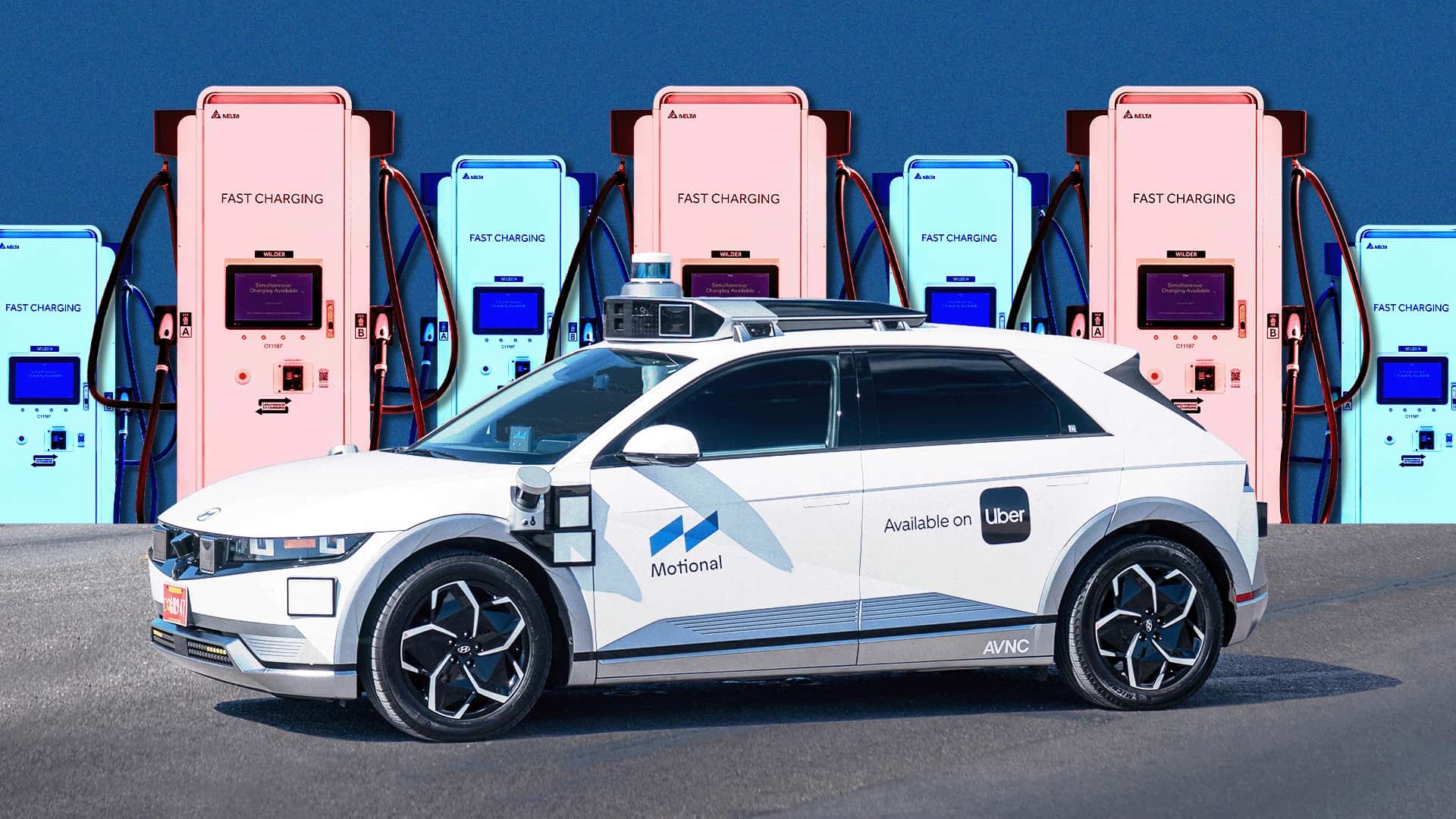
Uber is currently undergoing a significant operational transformation, actively forging numerous partnerships globally to integrate autonomous vehicles (AVs) onto its platform. This ‘tectonic shift’ represents a strategic move towards the next generation of urban mobility. A substantial majority of these collaborations involve modern electric vehicles, which necessitates a consistent and dependable charging ecosystem to support their continuous, high-utilization operation.
The integration of robotaxis into Uber’s services underscores the critical need for a scalable and highly efficient EV charging strategy. As autonomous fleets expand, the demand for fast-charging solutions that can minimize downtime and maximize vehicle availability will escalate dramatically. Uber’s proactive involvement aims to pre-emptively build this essential support system, ensuring that energy infrastructure keeps pace with technological advancements.
Supporting Human Drivers in the Transition to Electric
Beyond its autonomous ambitions, Uber is also actively facilitating the transition of its extensive human driver base to electric vehicles. The company recognizes that a robust public fast-charging network is vital for encouraging more drivers to make the switch, directly impacting the sustainability goals of its ride-hailing services and contributing to reduced urban emissions.
In many metropolitan areas, including New York City, local regulations, and various incentives are increasingly pushing rideshare drivers towards electrification. Providing accessible, affordable, and reliable charging options directly addresses a key concern for these drivers, making the shift to electric cars more feasible and economically attractive in their daily operations.
Strategic Investment and Partnerships in Public Fast Charging
In February, Uber publicly announced a substantial $100 million investment dedicated to the development of public fast-charging stations. This significant financial commitment signifies a concrete and strategic step in the company’s commitment to bolstering the electric vehicle infrastructure globally.
The initiative involves strategic collaborations with leading charging networks, including EVgo in the United States and Ionity in Europe. These partnerships are geared towards establishing new charging hubs and expanding existing facilities in regions characterized by high ride-hailing traffic and significant driver demand for electric charging facilities. Such areas often include dense urban cores, transport hubs, and airport vicinities where vehicle turnover is frequent.
Guaranteeing Utilization Rates to Drive Expansion
A crucial element of Uber’s Uber EV charging strategy involves providing utilization guarantees to its charging network partners. Building modern fast-charging stations represents a multi-million dollar capital investment, and their financial viability hinges critically on consistently high utilization rates, ensuring a steady revenue stream for operators.
By offering these guarantees, Uber effectively mitigates financial risk for charging infrastructure developers, encouraging and accelerating the expansion of the charging network in critical, underserved areas. Andrew Cornelia expressed strong confidence in the anticipated demand for these chargers. “Charging now tops vehicle cost in terms of concerns for Uber drivers,” he noted, indicating a shift in primary anxieties for those considering or operating EVs.
He further asserted, “We actually have a fairly high conviction and confidence that if you build it, they will come.” This conviction underpins the substantial investment, signaling a belief that directly addressing driver concerns and providing reliable infrastructure will naturally drive greater adoption and utilization.
Navigating Urban Charging Challenges: The New York City Experience
The challenges associated with establishing adequate EV charging infrastructure are particularly acute in dense urban environments, with New York City serving as a compelling case study. In 2023, new regulations from the Taxi and Limousine Commission (TLC) actively incentivized Uber drivers to adopt electric vehicles, yet the corresponding charging support initially lagged significantly behind the sudden surge in demand.
While the city has since seen an increase in the number of charging stations coming online, the issue of congestion and long queues at many popular locations has not meaningfully improved. The sheer volume of tens of thousands of rideshare drivers who have transitioned to EVs has rapidly overwhelmed existing infrastructure, leading to extended charging times and direct impacts on driver earnings and service availability.
To help alleviate these immediate operational concerns, Uber is deploying new recommendation technology embedded within its driver application. This innovative feature aims to guide drivers to nearby EV chargers and, crucially, highlight locations with the shortest queues, thereby optimizing their charging experience and minimizing unproductive downtime. This operational improvement is a testament to Uber’s data-driven approach to enhancing electric mobility solutions and driver welfare.
Competitive Landscape and Business Models
Despite its proactive Uber EV charging strategy and significant investments, the company’s ‘superpower’ is being rigorously tested by both established rivals and discerning market investors. Uber’s stock performance, which was down nearly 10% this year as of writing, reflects some of these market pressures and the inherent risks associated with the rapidly evolving mobility sector.
The Waymo and Tesla Factor
Competitors like Waymo, Google’s autonomous driving subsidiary, present a complex dynamic. While partnering with Uber in certain markets such as Austin and Atlanta for autonomous services, Waymo also operates as a significant direct rival in nine other cities, serving riders through its proprietary app. This dual role underscores the complex and often competitive dynamics within the autonomous and electric mobility space, where alliances and rivalries frequently overlap.
The looming threat from Tesla further complicates the landscape. Elon Musk’s company is pursuing a highly vertically integrated model, developing its own robotaxis from the ground up. These vehicles will exclusively utilize Tesla’s proprietary charging hardware and serve customers through its own application. This integrated approach grants Tesla tighter control over its software, hardware, and operational ecosystem, potentially yielding inherent efficiencies, superior cost control, and a seamless user experience that can be difficult for competitors to match.
In contrast, Uber’s horizontal business model, which relies on a diverse network of partners for vehicles and infrastructure, offers massive potential for scale and flexibility but provides less direct influence over every single component of its operations. The long-term success and profitability of Uber’s extensive bet on autonomous vehicles remain a subject of close scrutiny, with analysts closely monitoring its financial performance and strategic partnerships in this capital-intensive domain.
Confidence in the Charging Bet
While the full financial outcomes and timelines of its autonomous vehicle investments are still unfolding, Uber’s commitment to expanding EV charging infrastructure appears to be a comparatively less risky proposition. The underlying technology for electric vehicle chargers is already proven and continues to advance rapidly, with newer stations offering higher power outputs, enhanced reliability, and faster charging times.
Moreover, the expansion often includes additional amenities designed to improve the overall driver experience, such as integrated convenience stores, clean bathrooms, and Wi-Fi access at charging locations. The undeniable global trend of drivers transitioning to electric vehicles, driven by both regulatory incentives and growing environmental consciousness, ensures a continuously expanding demand for these robust charging solutions.
Andrew Cornelia reiterated the company’s overarching strategic vision for future mobility: “The future of mobility is really electric, autonomous, and digitally enabled,” he said. He emphasized the fundamental importance of addressing public charging concerns directly and proactively, concluding, “Public charging is a concern, and that’s why we’re spending so much time on it.” Uber’s comprehensive approach aims to solidify its position at the forefront of this evolving mobility paradigm, ensuring that its platform remains a leader in sustainable urban transport.
FAQ
What is Uber’s ‘superpower’ in EV charging?
Uber’s ‘superpower’ lies in its extensive real-world trip data, which it leverages to identify optimal locations for new fast-charging stations. This data-driven approach helps match charging supply with actual demand from drivers, enhancing efficiency and reducing wait times.
How much is Uber investing in fast-charging stations?
Uber announced a $100 million investment to build public fast-charging stations. This funding is channeled through partnerships with major charging networks like EVgo in the U.S. and Ionity in Europe, focusing on high-traffic areas.
Why is Uber providing utilization guarantees to charging networks?
Fast-charging stations require substantial upfront capital. Uber provides utilization guarantees to charging networks to mitigate their financial risk, encouraging the expansion of infrastructure by ensuring a consistent level of demand and financial viability for these costly installations.
What challenges does Uber face in urban EV charging, specifically in New York City?
In New York City, new TLC rules in 2023 incentivized EV adoption among drivers, but charging infrastructure initially struggled to keep pace. This led to congestion and long queues at existing stations, despite subsequent increases in charger availability, impacting driver efficiency.
How does Uber’s EV charging strategy compare to competitors like Tesla?
Uber employs a horizontal business model, partnering with various entities for vehicles and infrastructure. In contrast, Tesla pursues a vertically integrated approach, developing its own robotaxis, charging hardware, and app, offering tighter control but potentially less scale.
What role do autonomous vehicles play in Uber’s charging strategy?
As Uber integrates more autonomous electric vehicles (robotaxis) into its platform, consistent and reliable fast-charging infrastructure becomes critical. The charging strategy supports these fleets, ensuring minimal downtime and sustained operational efficiency for future autonomous services.
Why is Uber confident in its bet on charging infrastructure?
Uber is confident because charging technology is proven and improving, with newer stations offering higher power and better reliability. The increasing number of drivers transitioning to EVs, driven by incentives and environmental goals, ensures a growing and sustained demand for robust charging solutions.