
Key Takeaways (TL;DR)
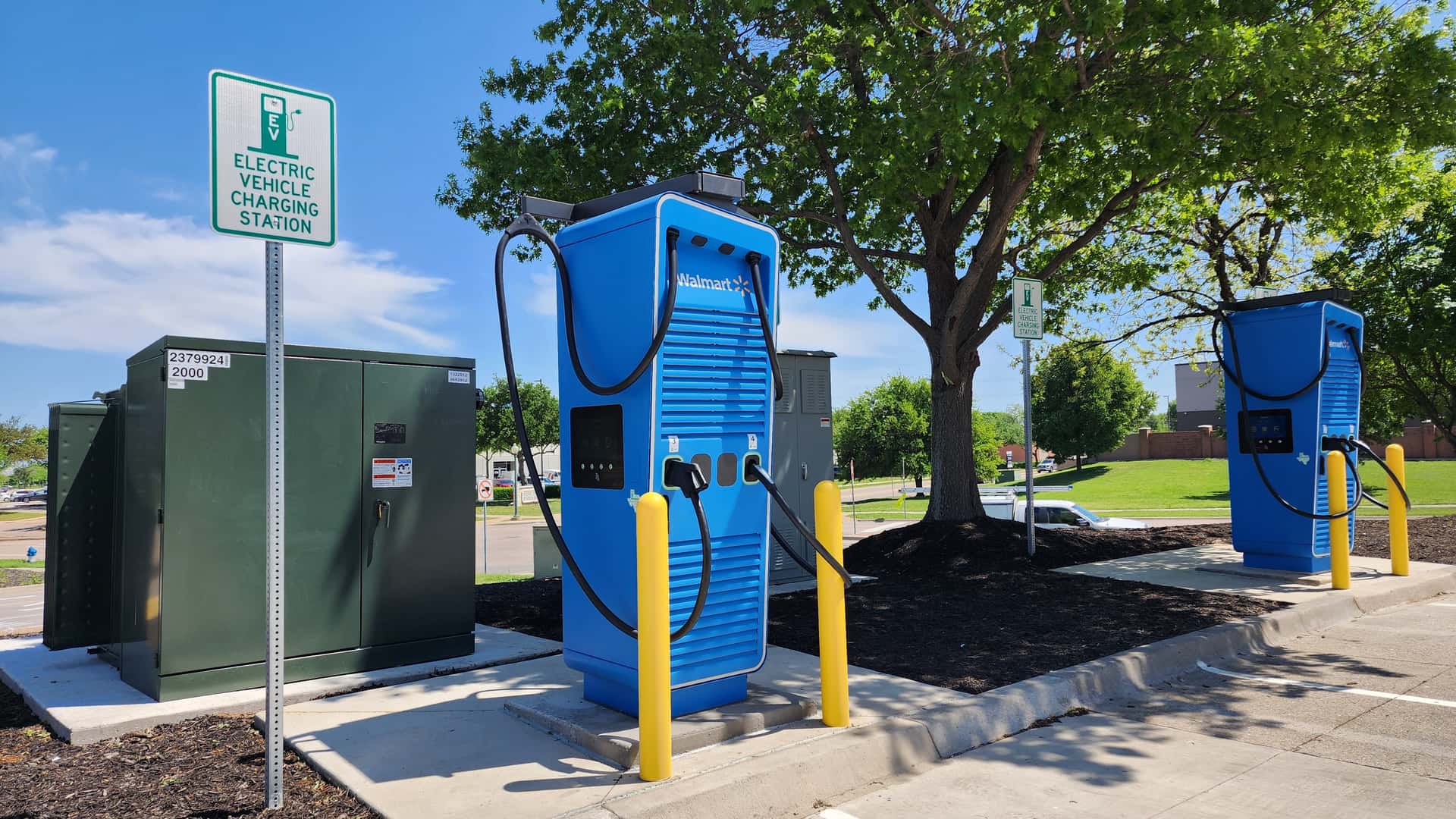
Walmart is significantly ramping up its EV charging network across the United States, surpassing 300 high-powered DC fast charging ports at 50 locations. The retail giant achieved a 50% increase in its charging infrastructure in just one month, following a similar surge from February to April. Driven by customer feedback, Walmart is introducing card payment terminals at its stations, moving beyond an app-exclusive model to enhance user convenience.
The company offers a 10% discount on charging sessions for Walmart+ members using the app, while maintaining transparent, non-dynamic pricing and no idling fees. While Plug & Charge functionality is under consideration, current efforts focus on optimizing existing payment methods. Walmart’s long-term vision involves deploying thousands of 400 kW chargers from ABB or Alpitronic across its vast network of over 5,200 Walmart and Sam’s Club locations, signaling a substantial commitment to the future of electric vehicle adoption in the U.S.

Walmart’s Rapid Expansion of EV Charging Network Across the U.S.
Walmart, the world’s largest retailer, is aggressively expanding its EV charging network across the United States, marking a significant stride in bolstering the nation’s electric vehicle infrastructure. This strategic initiative sees the retail giant not only increasing its footprint but also refining the user experience for electric vehicle owners.
In a notable acceleration of its efforts, Walmart has boosted the size of its DC fast charging network by approximately 50% within a single month. This recent surge follows a similar 50% expansion recorded between February and April, underscoring the company’s commitment to rapid deployment.
As of May 2024, the network boasts over 300 individual ports capable of delivering up to 400 kilowatts. These high-powered connectors are distributed across 50 Walmart stores throughout the U.S., a substantial increase from the 31 stations and 224 connectors reported just the previous month.

Enhancing User Experience with Flexible Payment Options
A pivotal improvement in Walmart’s expanding EV charging network focuses on enhancing customer convenience, particularly concerning payment methods. Initially, all activated stations exclusively relied on Walmart’s proprietary application for managing and paying for charging sessions.
However, in response to valuable customer feedback, the company is now integrating card payment terminals directly into its DC fast chargers. This move aims to provide greater flexibility for drivers who prefer not to use yet another smartphone application for their charging needs.
Adam Happel, Walmart’s General Manager for Retail EV charging, highlighted this crucial development during an interview with InsideEVs contributor and charging expert Tom Moulougney. Happel stated, “the retailer will start adding card payment terminals to its DC fast chargers.”
Presently, one station is trialing this new payment solution, with plans to incorporate swipe and dip-to-ship terminals into future installations. This phased rollout ensures that customer needs are met while maintaining operational efficiency across the rapidly expanding network.
Pricing Structure and Member Benefits
Walmart’s approach to pricing its EV charging services emphasizes transparency and offers distinct advantages for its members. The company has clarified that it does not impose idling fees, a common concern for EV drivers at busy charging stations.
Furthermore, customers are assured of clear visibility into their charging costs, eliminating any unexpected charges. The pricing structure is designed to be straightforward, without dynamic adjustments based on real-time station crowding.
It is important to note that certain locations may implement Time of Use (TOU) rates, where the cost of charging varies depending on the time of day. This mirrors practices in the broader energy sector and aims to encourage off-peak charging.
A significant benefit for loyal customers is the 10% discount on charging sessions offered exclusively to Walmart+ members. This discount is automatically applied when members use the Walmart app to initiate and pay for their charging, seamlessly integrating with their existing membership benefits.
Exploring Future Technologies: Plug & Charge Integration
While committed to enhancing current payment functionalities, Walmart is also evaluating advanced charging technologies, including Plug & Charge. This innovative feature allows EV drivers to simply plug their vehicle into a charger and automatically begin a session without needing an app or credit card for each transaction.
Currently, Walmart’s DC chargers do not support Plug & Charge. The primary obstacle to its immediate implementation relates to the communication protocols between the charger and the vehicle. This direct communication, while convenient, currently bypasses the mechanisms that enable the automatic application of member-specific discounts.
As Happel indicated, the company is actively considering Plug & Charge. Future integration would likely involve overcoming these technical challenges to ensure that the convenience of the technology can coexist with valuable incentives like the Walmart+ member discount, thus optimizing the overall user experience.
Technical Specifications and Design Adaptations
The EV charging network developed by Walmart relies exclusively on 400 kW DC fast chargers, sourced from reputable manufacturers such as ABB or Alpitronic. These high-capacity chargers are designed to provide rapid recharges, significantly reducing wait times for electric vehicle owners.
Each charging unit is equipped with both a CCS1 and a NACS (North American Charging Standard) connector, ensuring broad compatibility with a wide range of electric vehicles in the U.S. market, including those from Tesla and other major manufacturers adopting the NACS standard.
A notable design adaptation in Walmart’s rollout concerns the placement of the NACS cable. Initially, these cables were positioned on the right side of the charger. However, observing that most Tesla EVs feature their NACS port on the left rear, Walmart has decided to standardize the NACS cable placement to the left.
This thoughtful adjustment aims to improve the charging experience for Tesla owners and other vehicles with similar port configurations, making plugging in more intuitive and convenient across the network.
A Long-Term Vision for Nationwide EV Charging Infrastructure
Walmart’s ongoing expansion signals a profound, long-term commitment to the electric vehicle ecosystem. Adam Happel affirmed the company’s dedication, stating that “Walmart is not in this game for the short term.”
The vision extends far beyond the current 300 ports, with plans to deploy “thousands of chargers” at as many Walmart and Sam’s Club locations across the U.S. as possible. This ambitious target underscores the retail giant’s potential to become a dominant force in public EV charging.
With over 5,200 stores operating stateside, the potential for expanding this EV charging network is immense. By leveraging its extensive physical presence, Walmart is uniquely positioned to address range anxiety and make EV ownership more accessible and convenient for millions of Americans.
This strategic move not only benefits EV drivers but also aligns with broader sustainability goals, promoting cleaner transportation options nationwide. The retail behemoth’s investment in robust, accessible charging infrastructure is poised to significantly impact the trajectory of electric vehicle adoption in the coming years.
Impact on the Broader EV Landscape
Walmart’s aggressive expansion and user-centric improvements to its EV charging network represent a critical development for the broader electric vehicle landscape in the United States. As one of the nation’s most ubiquitous retail chains, its commitment to EV infrastructure sends a powerful signal to consumers and competitors alike.
The availability of reliable, high-speed DC fast chargers at familiar retail locations can significantly alleviate ‘range anxiety,’ a major barrier to EV adoption. Drivers can now seamlessly integrate charging into their daily routines, combining shopping trips with essential recharges.
Furthermore, by offering various payment options, including traditional card readers, Walmart is lowering the barrier to entry for new EV owners who may not be accustomed to app-based charging solutions. This inclusivity is vital for accelerating the mainstream adoption of electric vehicles.
The standardization of 400 kW chargers and the strategic repositioning of NACS cables demonstrate a thoughtful approach to future-proofing the network and ensuring compatibility with the evolving EV market. This proactive stance solidifies Walmart’s position as a key player in the transition to sustainable transportation.
Frequently Asked Questions (FAQ)
How many EV charging ports does Walmart currently operate?
Walmart currently operates over 300 DC fast charging ports at 50 locations across the United States. The company has seen rapid expansion, increasing its network by 50% in the last month alone.
What payment options are available at Walmart EV chargers?
Initially, payment was exclusive to the Walmart app. However, in response to customer feedback, Walmart is introducing card payment terminals (swipe and dip-to-ship) at its DC fast chargers, with one station currently trialing the new feature.
Are there any discounts for charging at Walmart stations?
Yes, Walmart+ members who use the Walmart app to initiate and pay for their charging sessions can enjoy a 10% discount. The company also maintains transparent pricing with no idling fees, though some locations may have Time of Use (TOU) rates.
What type of chargers does Walmart install?
Walmart exclusively installs 400 kW DC fast chargers, sourced from manufacturers like ABB or Alpitronic. These high-capacity chargers are equipped with both CCS1 and NACS connectors to serve a wide range of electric vehicles.
Is Walmart planning further expansion of its EV charging network?
Absolutely. Walmart has a long-term vision to install thousands of EV chargers at as many Walmart and Sam’s Club locations as possible across the U.S., leveraging its vast network of over 5,200 stores.